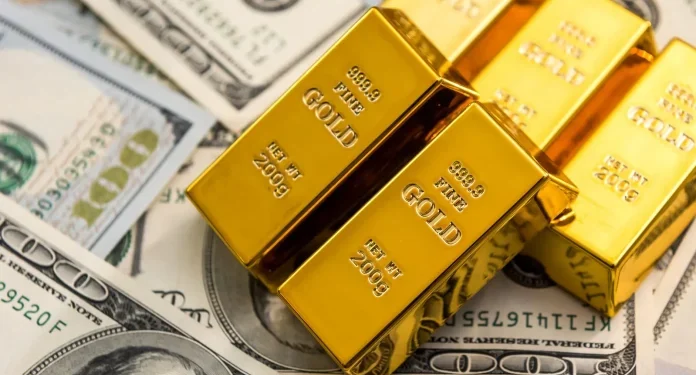
Ghana’s international reserves have come under significant pressure following heightened tensions in the Middle East, with the Bank of Ghana (BoG) revealing that the country lost approximately US$1.2 billion in reserves over the past few months.
The development has raised fresh concerns about Ghana’s external position as global uncertainty continues to affect economies, currencies and international financial markets.
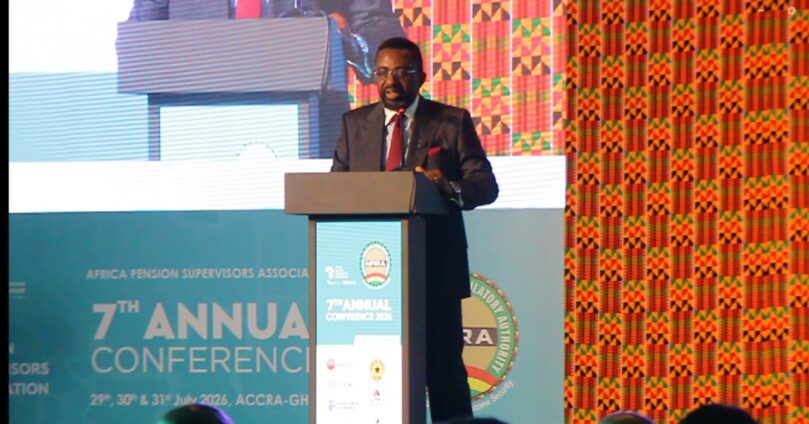
Speaking during Part Two of “Time with the Governor,” an engagement with economics students from the University of Ghana and the University of Ghana Business School, BoG Governor Dr Johnson Asiama acknowledged the difficult conditions confronting the country.
“The past three to four months have been quite challenging for us when it comes to the country’s International reserves.”
Dr Johnson Asiama
According to the July Economic and Financial Data released by the BoG, Ghana’s international reserves declined from US14.1 billion to US12.9 billion.
Middle East Tensions Intensify Pressure
Dr Asiama attributed part of the pressure on Ghana’s reserves to developments in the global economy, particularly tensions in the Middle East.
The Governor explained that the external shocks had created difficult conditions for Ghana, requiring the central bank to intervene and provide support to critical areas of the economy. “I am therefore not surprised that we lost 1.2 billion reserves,” he said.
The sharp reduction highlights the vulnerability of Ghana’s external position to global developments, particularly at a time when geopolitical tensions can influence oil prices, trade flows, investor sentiment and foreign exchange markets.
For an import-dependent economy such as Ghana, movements in global commodity prices can have significant implications for foreign exchange demand and reserve accumulation.
BoG Says Strong Reserves Provided Vital Cushion
Despite the decline, Dr Asiama stressed that Ghana’s decision to build its reserves previously has provided an important cushion during the latest period of global uncertainty.
He argued that the country would have faced greater difficulties if it had entered the current period with significantly weaker reserves.
“This is why we can say that one of the good things we did last year was to build some high reserves for interesting times like this.”
Dr Johnson Asiama
The comments underline the importance of reserve accumulation as a form of protection against external shocks.
International reserves give a country the capacity to meet external obligations, support essential imports and intervene in the foreign exchange market when necessary.
With global uncertainty remaining elevated, the Governor said maintaining adequate reserves would remain a key priority for Ghana.
Cocoa and Exports Seen as Key to Recovery
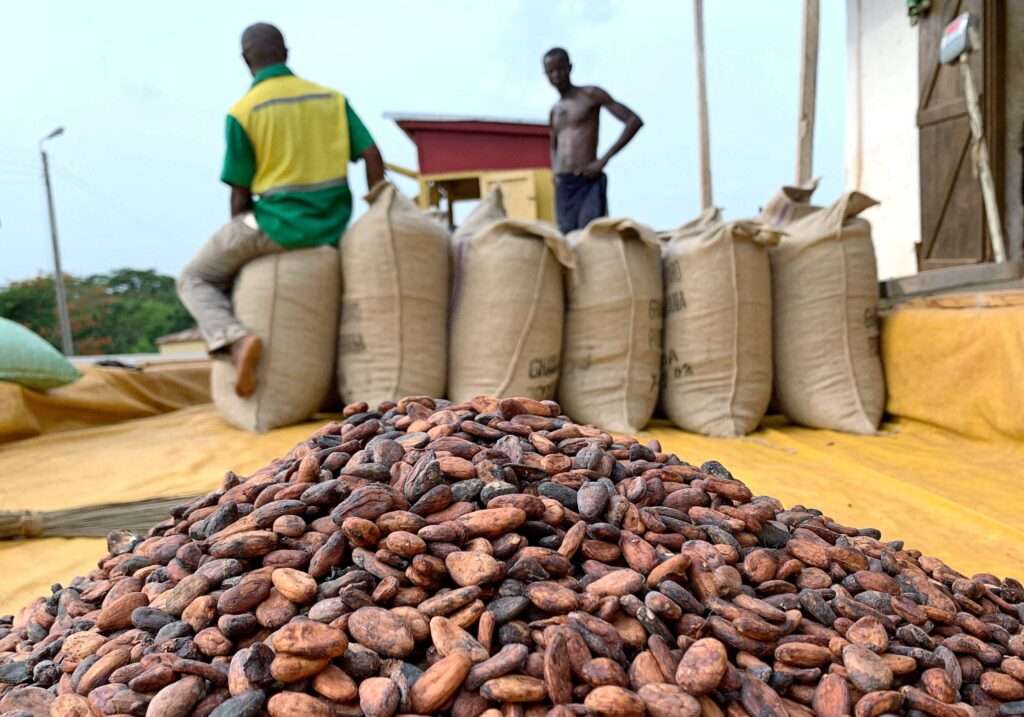
As Ghana works to rebuild the US$1.2 billion lost from its reserves, Dr Asiama pointed to stronger export earnings as one of the most important solutions.
He specifically highlighted cocoa exports and the need to expand non-traditional exports.
According to the Governor, non-traditional exports currently account for about 10% of Ghana’s total exports. He believes the share should be increased to 15%.
An expansion in non-traditional exports could provide Ghana with additional sources of foreign exchange while reducing excessive dependence on a relatively narrow range of export commodities.
Increasing export earnings would also strengthen the country’s ability to rebuild reserves without placing excessive pressure on the domestic foreign exchange market.
Remittances Could Become a Bigger Economic Weapon
Dr Asiama also identified remittances as another major opportunity for Ghana.
The country receives more than US$8 billion in remittances, making the diaspora an important source of foreign exchange.
However, the Governor argued that a greater portion of these funds should be directed toward productive investments rather than being used primarily for consumption.
“We need to think about how we can channel these resources into productive investments.”
Dr Johnson Asiama
Redirecting part of the substantial inflows into productive sectors could help generate employment, support businesses and strengthen Ghana’s foreign exchange position.
It could also create an additional source of domestic investment while helping reduce pressure on the country’s reserves.
Difficult Choices Ahead for Ghana
The latest reserve decline presents policymakers with a difficult balancing act.
Ghana must continue supporting economic activity while ensuring that its foreign exchange buffers remain strong enough to withstand further external shocks.
Dr Asiama acknowledged that managing such pressures requires difficult decisions, particularly when global developments are beyond the control of domestic policymakers.
The challenge will be to rebuild reserves while maintaining stability in the foreign exchange market and protecting the gains made in macroeconomic management.
For investors and businesses, the reserve position will remain an important indicator of Ghana’s external resilience.
The US$12.9 billion reserve level still represents a substantial buffer, but the speed of the recent decline has placed renewed attention on the need to strengthen foreign exchange earnings.
As global tensions continue to reshape commodity markets and capital flows, Ghana’s ability to generate foreign exchange through exports, remittances and investment will be critical.
The BoG’s latest disclosure therefore serves as both a warning and a call to action. Ghana may have built a strong reserve cushion, but rebuilding what has been lost will require stronger exports, productive investment and careful management of the country’s external finances.
READ ALSO: DDEP Bonds Could Drive Ghana’s Fixed Income Market- Analyst