Economic policy analyst and public policy advocate Senyo K. Hosi has called for greater attention to how public policy shapes economic productivity, job creation and the prospects of Africa’s growing youth population, arguing that the continent needs a deliberate balance between government authority and private enterprise rather than dominance by either side.
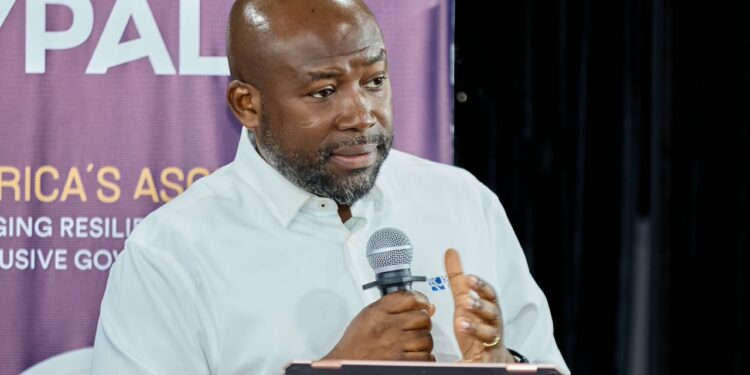
Mr Hosi, Convener of the One Ghana Movement, spoke at the Students and Young Professionals African Liberty Academy (SYPALA) 2026 on Thursday, August 27, organised by the IMANI Center for Policy and Education in partnership with the University of Professional Studies, Accra.
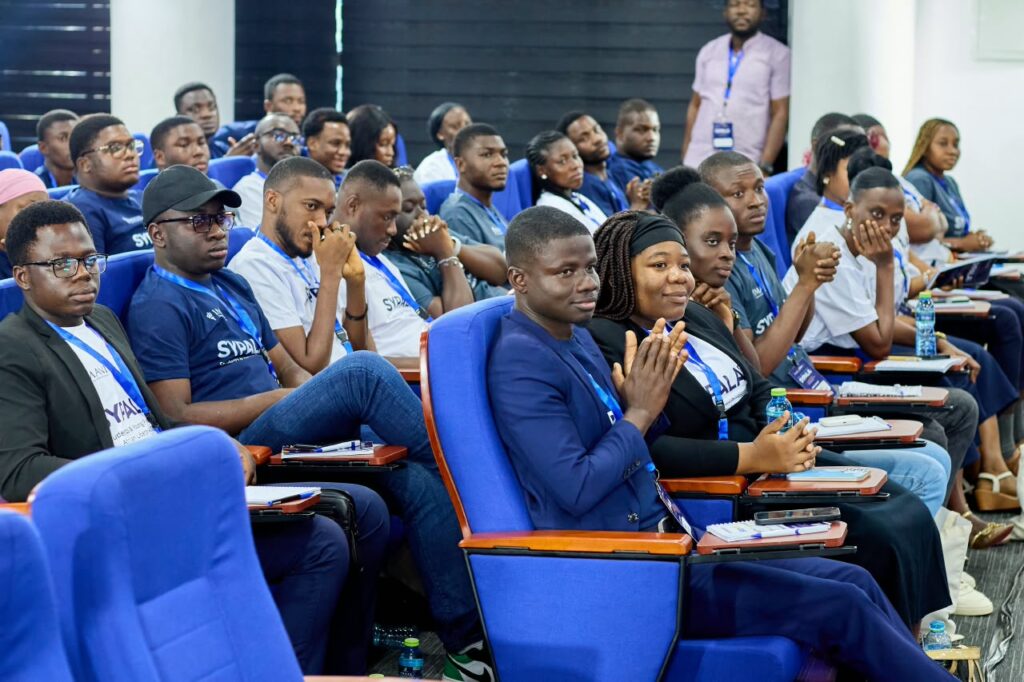
He led a session titled “Beyond Politics: How Businesses and Public Policy Can Drive Africa’s Transformation,” closing out the four-day event held under the theme “Africa’s Ascent: Forging Resilient Economies and Inclusive Governance.”
“You Can’t Be Passive About It”
Mr Hosi opened by grounding his argument in a definition of public policy he attributed to political scientist Thomas Dye, stressing that government inaction carries the same weight as government action.
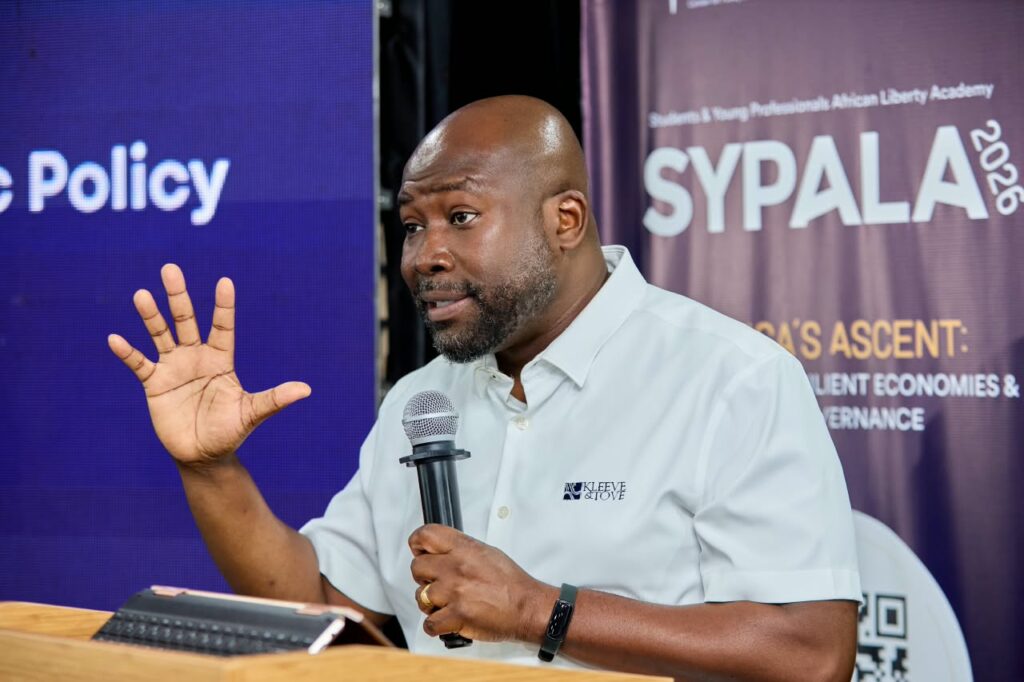
“What your governments do and do not do, and that’s Professor Thomas Dye; I love his definition of public policy: What governments choose to do, or not to do, that’s public policy. You can’t be passive about it.”
Economic policy analyst Senyo K. Hosi
He extended that framing to education and employment, arguing that a mismatch between what schools produce and what industry needs is itself a policy failure rather than a natural outcome. “Education disconnected from industry leaves young people graduating into frustration,” he said. “All this operates within a public policy sphere.”
Neither Government Nor Business Should Dominate
Senyo Hosi warned against two opposite failure modes, one in which government crowds out enterprise and one in which business captures policy. “If the government dominates enterprise, it risks bureaucracy, patronage, and inefficiency,” he said, adding pointedly, “and that’s what we experience.”
He balanced that warning with an equal caution about unchecked private influence. “If business dominates policy, we also risk capture, monopoly, and inequality.” He argued that Africa’s path forward requires both capable states and competitive markets operating in tandem, each checked by the other and both accountable to citizens.
“Africa absolutely needs capable states and competitive markets working together. Governments setting clear rules and investing in public goods, businesses creating value and jobs, and citizens holding both accountable.”
Economic policy analyst Senyo K. Hosi
Infrastructure as a Platform for Competitiveness
Mr Hosi identified productive infrastructure, roads, ports, railways, electricity, broadband, water systems and logistics as foundational to whether businesses can actually compete, arguing that infrastructure planning must be tied directly to economic outcomes rather than treated as an end in itself.
“Infrastructure must therefore be planned around productivity, value chain, jobs, and market,” he said. He cautioned that the mere presence of basic services is not sufficient.
High energy costs and inefficient infrastructure, he warned, can leave businesses uncompetitive even in economies where electricity, water and transport networks technically exist, since cost and reliability determine whether that infrastructure actually supports productive enterprise.
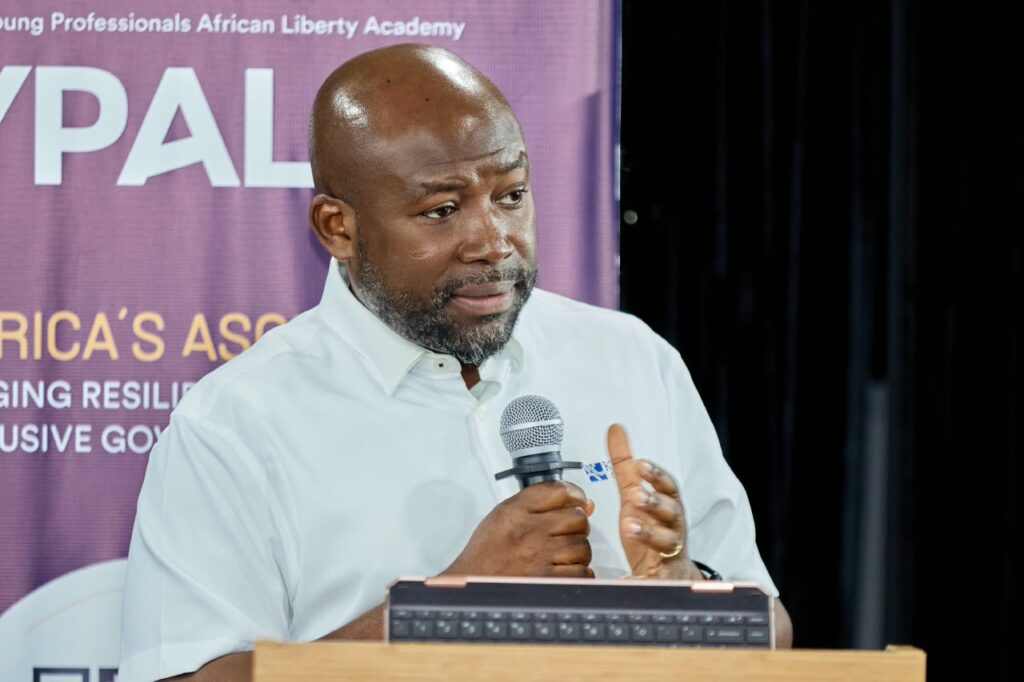
Mr Hosi closed by urging policymakers to recognise that every decision, and every failure to decide, carries direct consequences for businesses, workers and the millions of young Africans seeking productive employment across the continent.
His remarks tied together the session’s central argument: that transformation depends not on business or government acting alone, but on a functioning, mutually accountable relationship between the two, backed by infrastructure and public policy choices made with clear economic intent.
READ ALSO: Trump Renames Lake Ontario “Lake America