
Africa’s transition from a raw-material supplier to a competitive industrial power will require partnerships based on clearly defined national interests rather than passive acceptance of foreign investment conditions, Executive Director of the Africa Centre for Energy Policy (ACEP), Benjamin Boakye, has said.
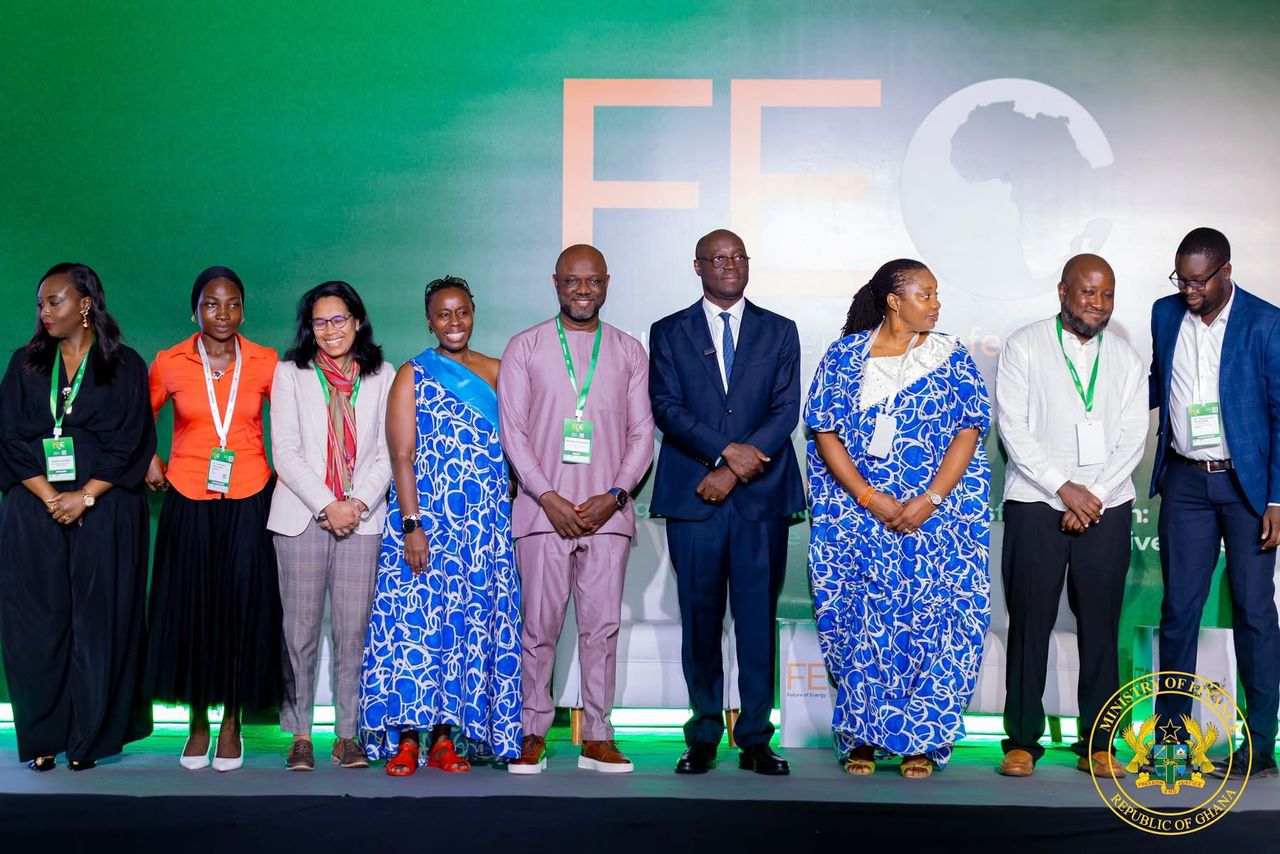
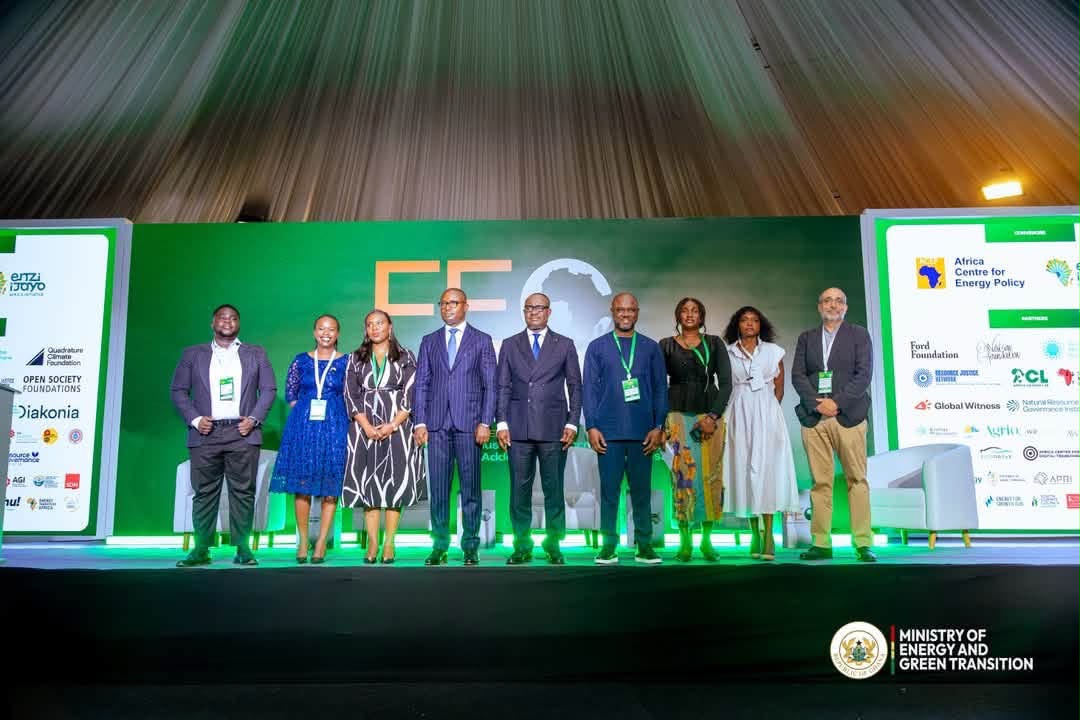
The remarks formed part of an expert chat at the Future of Energy Conference 2026 focused on Competing In A New Global Industrial Order: What Must Africa Get Right, where the discussion examined how African countries can secure greater value from minerals, energy resources, technology and international investment.
Mr. Boakye argued that value addition cannot be achieved simply by declaring ambitions to process minerals locally.
Mineral processing and manufacturing require technology, institutional expertise, research capacity, finance and access to markets.
Partnerships are therefore necessary, but the quality of the partnership depends on the ability of African governments to determine what capabilities need to be acquired and what conditions should accompany foreign participation.
Partnership Must Serve Industrial Capacity
According to Mr. Boakye, African delegations frequently visit major industrial economies such as China and the United States, yet the visits do not always result in detailed understanding of the processes that created industrial capacity.
The problem is not a shortage of exposure to successful economies.
The problem is insufficient institutional learning from those economies.
Indonesia was cited as an important reference point because of the country’s use of industrial policy to encourage mineral processing and develop industrial clusters.
The relevant lesson is the incentive structure behind investment rather than simply the visible infrastructure created after investment has arrived.
African governments therefore need to understand which policy mechanisms attract investment, which capabilities remain locally and how industrial ecosystems develop around processing facilities.
The objective should be to ensure that investment creates domestic suppliers, technical expertise and related industries rather than operating as an isolated extractive project.
Strategic Flexibility Matters
China’s industrial sequencing was presented as another illustration of how foreign investment can be used to build domestic capacity.
The approach involves attracting investment into sectors where domestic capabilities are initially limited while simultaneously developing domestic capacity.
Once local firms, skills and supply chains become sufficiently strong, foreign investors become less central to the sector.
The model differs from an investment strategy in which foreign companies remain permanently responsible for technology, production and supply chains.
For African countries, the implication is that investment agreements should be evaluated according to the productive capabilities likely to remain after the initial investment cycle.
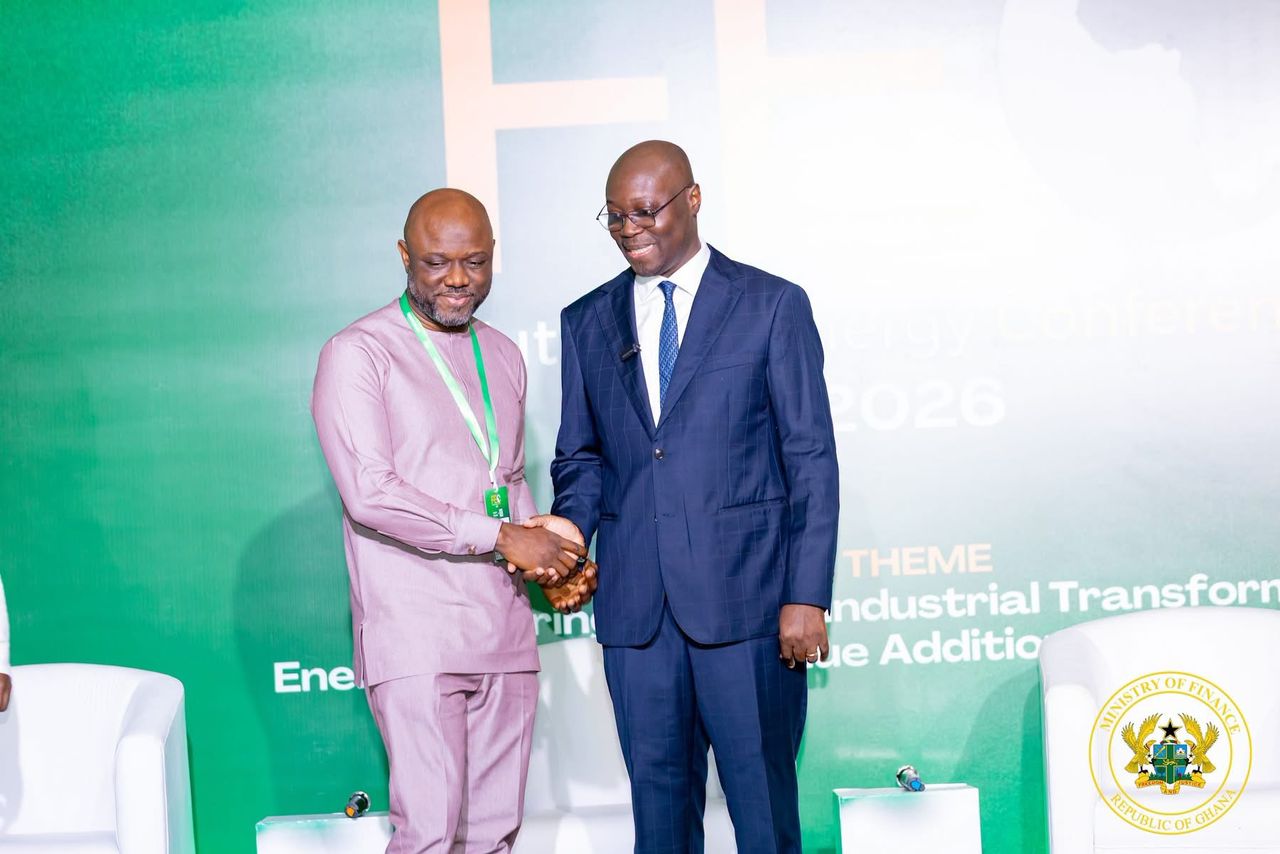
“The lesson drawn was that African states must be strategic about which demands they press and which they trade, judged by what actually brings the investment in.”
Benjamin Boakye, Executive Director, ACEP
The argument is particularly relevant to the energy transition because demand for African cobalt, manganese, graphite, lithium and other critical minerals is expected to remain closely connected to global clean-technology supply chains.
Without domestic processing and manufacturing capabilities, Africa could remain economically dependent even while supplying materials essential to the global energy transition.
Building Resilience Beyond Minerals
The discussion also extended beyond mineral value addition to economic resilience and security of supply.
Africa’s industrial future will be vulnerable if energy systems remain exposed to external shocks, fuel-price volatility, supply disruptions and technological dependence.
Investment in new energy technologies, therefore, should be considered not only through the lens of decarbonisation but also through economic security.

A more diversified energy system can reduce exposure to individual fuel sources while providing industries with more predictable energy supply.
This is especially important for countries seeking to develop energy-intensive industries.
Industrial competitiveness cannot be separated from the resilience of the underlying energy system.
Domestic Agency Before Foreign Capital
A recurring theme throughout the discussion was the importance of African agency.
Mr. Boakye questioned whether states could credibly demand better investment outcomes from international investors when domestic resources mobilised from citizens were not consistently translated into visible infrastructure and productive capacity.
The argument suggests that external financing should complement domestic development capacity rather than substitute for it.
Stronger domestic institutions, better project preparation and credible public investment can improve the bargaining position of governments when negotiating with foreign investors.

The same principle applies to energy infrastructure.
If a government can independently model an energy project, establish a credible benchmark and identify an alternative financing route, investors face a stronger negotiating environment.
If those capabilities are absent, investor-provided assumptions can effectively become the basis of public policy.
The Critical Mass For Better Decisions
Mr. Boakye proposed building a small but committed institutional core capable of helping governments make stronger decisions.
The suggested critical mass of three to five organisations would provide technical analysis, challenge questionable assumptions and amplify public-interest arguments.
The proposal recognises a practical reality of policymaking: broad public participation cannot replace specialised technical capacity in complex areas such as energy pricing, project finance, mineral processing and industrial policy.
Civil society and technical institutions can therefore play a more useful role by interrogating investment proposals, testing economic assumptions and demanding transparency.
Such engagement should not be confused with automatic opposition to foreign investment.
The central question is whether investment contributes to productive transformation.
Africa’s Strategic Choice
The discussion ultimately framed Africa’s industrial challenge as a question of agency and sequencing.
The continent possesses resources that are strategically important to the global energy transition, but resource ownership alone does not guarantee industrial development.
The decisive factor will be whether African states can convert those resources into processing capacity, manufacturing, technology, skilled employment and competitive enterprises.

That requires strategic partnerships, but also strategic governments capable of negotiating what those partnerships should deliver.
The emerging global industrial order is being shaped by decisions on technology, investment, supply chains and energy security.
African countries that enter those negotiations primarily as raw-material suppliers risk reproducing existing patterns of dependency.
Countries that enter with credible project analysis, clear industrial priorities and strong domestic institutions will have greater scope to determine how foreign capital contributes to national development.
The strongest interpretation of Mr. Boakye’s argument is therefore that Africa does not need fewer investors.
Africa needs better-prepared states capable of determining the value investors bring, the incentives genuinely required and the productive capabilities that must remain after the investment is made.
READ ALSO: You Can Find In Me A Good Friend — Afenyo-Markin To Agalga