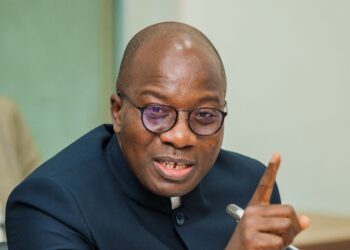
The Minority Leader, Alexander Afenyo-Markin has affirmed that he has discharged his responsibilities with the dignity expected of the office while acknowledging the weight of history attached to his position. Honourable Afenyo-Markin explained that his leadership of the Minority Caucus was shaped by respect for the New Patriotic Party’s traditions and the confidence entrusted to him by its elders.
He noted that the parliamentary seat he occupies has previously been held by prominent figures whose contributions shaped the political tradition of the NPP. The Minority Leader cited J.B. Danquah, J.H. Mensah, Busia, Dombo, Joe Mensah Bonsu and Papa Owusu-Ankomah as some of the personalities associated with the position.
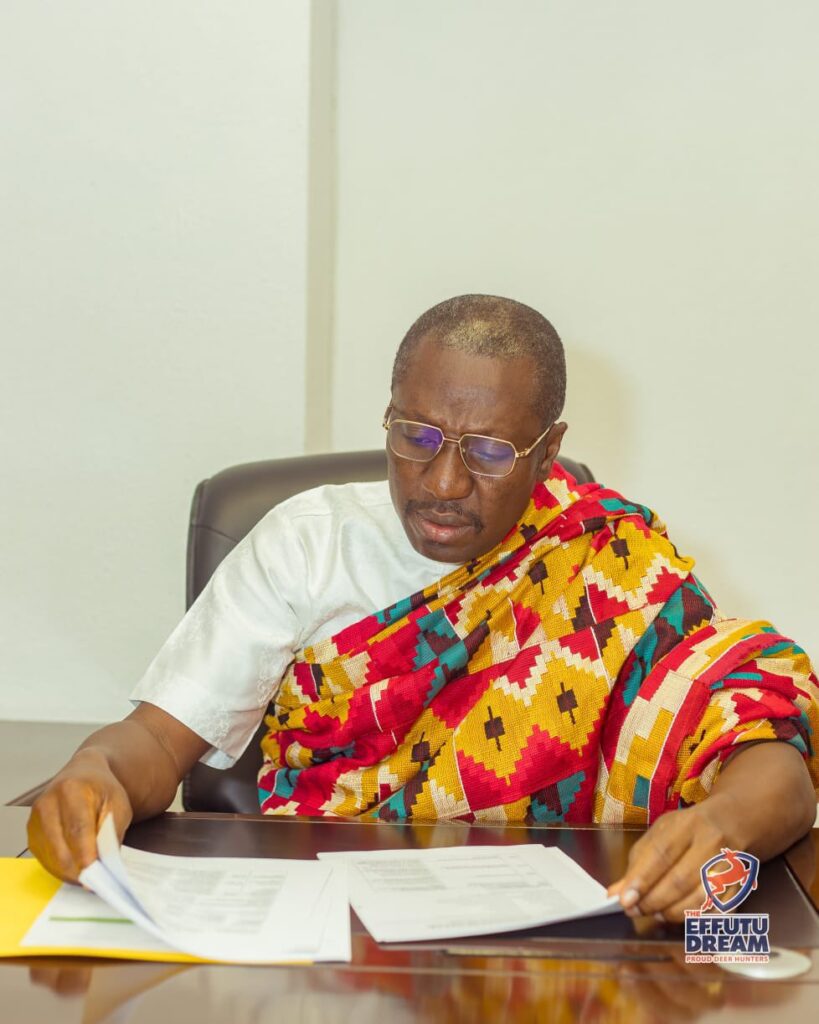
According to him, the history attached to the office required him to conduct himself with a strong sense of responsibility. He explained that the decision by party elders to entrust him with leadership of the caucus was a responsibility he had recognised from the beginning.
“I’m not a perfect guy, but I won’t be reckless. I know what I have to do.”
Honourable Alexander Afenyo-Markin
Honourable Afenyo-Markin said his understanding of the office had guided his conduct in Parliament and within the party. He indicated that the confidence placed in him by senior members of the NPP carried an obligation to protect the dignity of the position.
His remarks also addressed allegations circulating on social media about compromising videos and audio recordings allegedly linked to him. He dismissed such claims and insisted that there was no material showing him engaging in conduct capable of embarrassing himself, his family or the political party.
The Minority Leader attributed the circulation of such claims partly to the nature of modern political communication. He acknowledged that politicians increasingly face personal attacks through social media and indicated that such developments form part of the challenges associated with public office.
Honourable Afenyo-Markin nevertheless emphasised that his personal conduct is guided by an awareness of the consequences of his actions. He stressed that the responsibility attached to his position extends beyond political disagreements and involved protecting his personal dignity and the reputation of the party.
GoldBod Losses: Minority Demands Answers On GH¢22 Billion
The Minority Leader, Alexander Afenyo-Markin also called for detailed answers over reported losses of about GH¢22 billion linked to GoldBod and the Bank of Ghana. He argued that the scale of the reported losses required a serious national conversation focused on financial management and the protection of Ghana’s fiscal position.
Honourable Afenyo-Markin acknowledged the relative stability of the cedi as a positive development for the economy. He cautioned, however, that sustaining the improvement would require prudent financial management and closer examination of possible weaknesses within the gold trading system.
The Minority Leader raised questions about the prices at which GoldBod purchases gold and the commissions associated with those transactions. He also called for scrutiny of bonus arrangements and the prices at which gold is eventually sold to off takers.
Further questions, he indicated, should examine the transactions involving the Bank of Ghana after the gold has undergone assaying. Such scrutiny, according to him, could help establish where financial losses arise and whether existing arrangements provide adequate protection for public resources.
“Let’s forget about the personality attacks. This is not an NPP NDC banter; it is a serious matter that affects bread and butter issues.”
Honourable Alexander Afenyo-Markin
Honourable Afenyo-Markin linked the issue directly to Ghana’s wider economic position and argued that losses of such magnitude could place additional pressure on the country’s finances. He therefore urged political actors to move beyond partisan exchanges and concentrate on the financial implications for ordinary citizens.
The Minority Leader also connected the reported losses to government’s stated difficulty in creating fiscal space for public expenditure. He cited the challenge of employing 6,000 teachers and nurses as an example of the financial pressures facing the administration.
According to him, the situation becomes more significant when government is also struggling to expand infrastructure in schools and address needs within hospitals. He argued that every substantial financial loss reduces the resources available for essential public services.
He also referred to issues raised by the International Monetary Fund in relation to the management of the economy. The Minority Caucus, he indicated, associates itself with the need for greater scrutiny of the areas where financial leakages or inefficiencies may occur.
Rather than treating the matter as another exchange between the NPP and the National Democratic Congress, the Minority Leader urged political leaders to approach it as a national economic issue. He argued that the consequences of substantial losses ultimately affect households and businesses through their impact on the wider economy.
He also called for greater transparency in examining the financial chain from the acquisition of gold through to its final sale. Such an examination, he suggested, would help Parliament and the public understand how the reported losses accumulated.
READ ALSO: GSA Debunks Alleged $4 Million Debt Termination Report