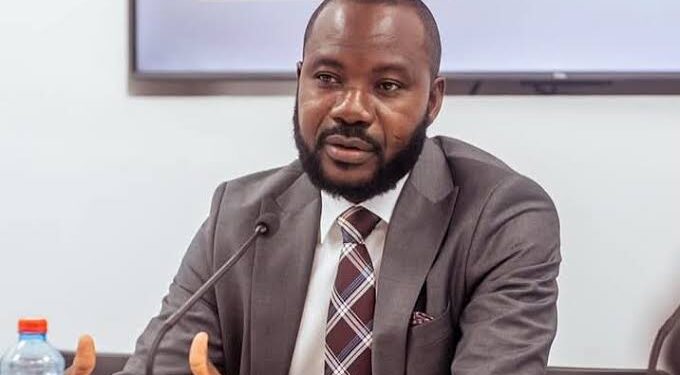
Executive Director of the Centre for Policy Scrutiny (CPS), Dr Adu Owusu Sarkodie, has urged government to confront the persistent challenges facing the Free Senior High School (SHS) policy through deliberate reform, rather than considering its cancellation, arguing that the broad political support the policy enjoys presents a rare opportunity for stakeholders to work together in fixing its shortcomings.
Dr Sarkodie made the call while speaking at a CPS policy forum held under the theme “Improved Access, Quality Questioned: A Report on 9 Years of Ghana’s Free SHS,” where he assessed nearly a decade of the flagship education policy’s implementation, weighing its achievements against its continuing operational difficulties.
While acknowledging that the Free SHS programme continues to grapple with real challenges, including significant congestion in classrooms, Dr Sarkodie maintained that the policy remains a vital instrument for expanding access to secondary education in Ghana.
He argued that the difficulties associated with the programme should be treated as problems to be solved through targeted intervention, rather than grounds for abandoning the policy altogether.
According to him, the central task facing policymakers is not whether Free SHS should continue, but how its implementation can be improved to simultaneously safeguard access while strengthening the quality of education delivered under the programme.
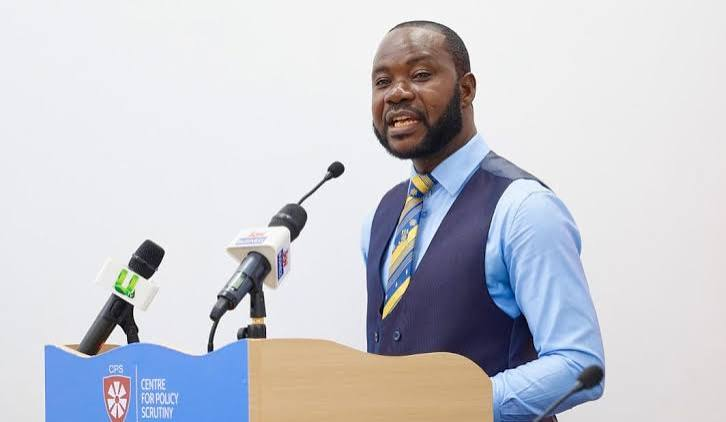
Congestion Preferable to Denied Access, Dr Sarkodie Argues
Addressing the specific issue of classroom congestion, which has remained one of the most visible criticisms of the Free SHS policy since its introduction, Dr Sarkodie was candid in acknowledging that overcrowded classrooms are far from ideal.
However, he argued that this challenge, while undesirable, remains preferable to a scenario in which young people are denied access to secondary education altogether due to financial constraints.
“Having a congested classroom is not the best, but it’s far better than having people denied of education because of lack of access to finance,”
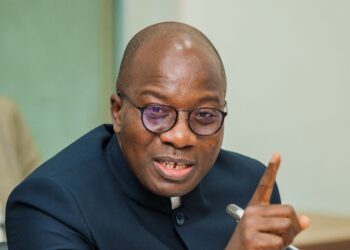
Executive Director of the Centre for Policy Scrutiny (CPS), Dr Adu Owusu Sarkodie
He went further to caution against reactionary responses to the policy’s challenges, urging stakeholders to focus on fixing the identified problems rather than discarding the programme entirely.
“Let’s find a way to deal with the challenges and improve it, do not throw away the baby with the dirty water,”.
Executive Director of the Centre for Policy Scrutiny (CPS), Dr Adu Owusu Sarkodie
Broad Political Support Seen as an Opportunity
Beyond addressing the specific operational challenges facing Free SHS, Dr Sarkodie drew attention to the unusually broad political support the policy has continued to enjoy since its introduction, a rarity for a major public policy in Ghana’s often polarised political environment.
He argued that this cross-partisan backing presents a valuable opportunity for stakeholders across government, civil society and the education sector to collaborate meaningfully on improving the programme.
According to him, this level of political consensus should be leveraged deliberately to ensure that Free SHS evolves to deliver not just wider access to secondary education, but improved quality outcomes for the students it serves, rather than allowing the policy to remain static despite its well-documented shortcomings.
A Call for Collective Action
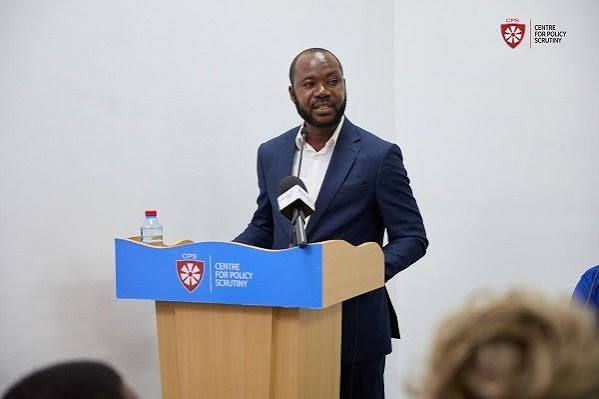
Dr Sarkodie’s remarks add to a growing body of policy analysis examining the successes and shortcomings of Free SHS nearly a decade after its introduction, with the CPS forum offering a platform for deeper reflection on how the programme can be strengthened going forward.
His central message, that political goodwill toward the policy should be converted into concrete, collaborative reform efforts, is likely to resonate with education stakeholders who have continued to call for improvements in infrastructure, teacher-student ratios and overall learning conditions within Ghana’s senior high schools.
READ MORE: Teacher Unions Call Off Strike After Deal with Education Ministry