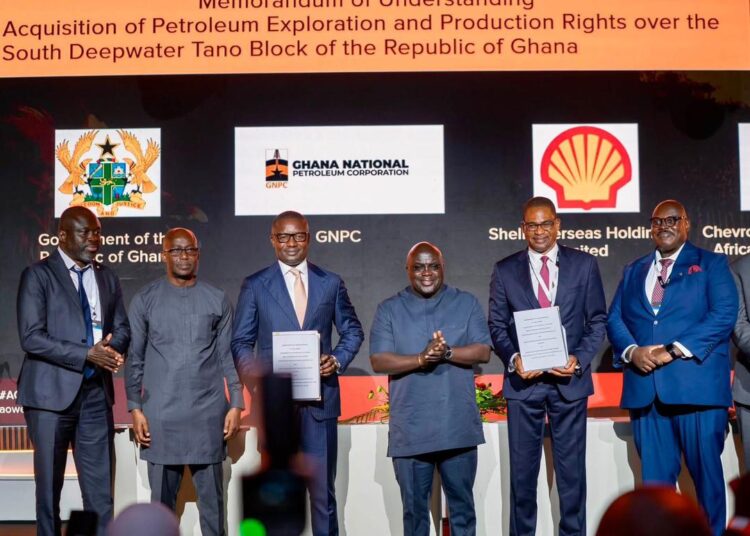
Ghana has taken another step towards expanding exploration activity in its upstream petroleum sector following the signing of a Memorandum of Understanding (MoU) covering the acquisition of petroleum exploration and production rights over the South Deepwater Tano Block.
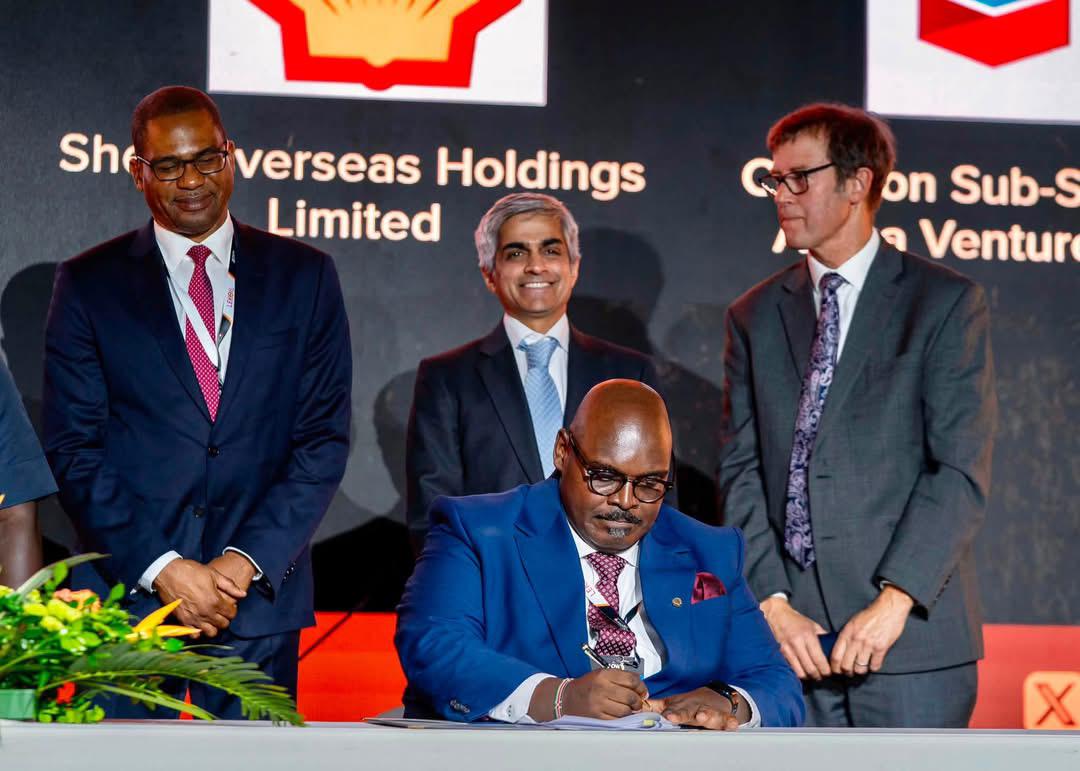
The agreement brings together the Government of Ghana, the Ghana National Petroleum Corporation (GNPC), Shell Overseas Holdings Limited and Chevron Sub-Saharan Africa Ventures Ltd., strengthening the investment and partnership narrative that has featured prominently at Africa Oil Week 2026 in Accra.
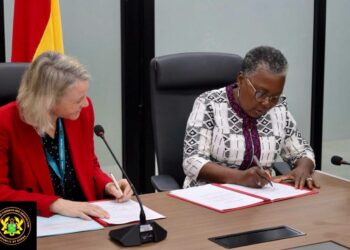
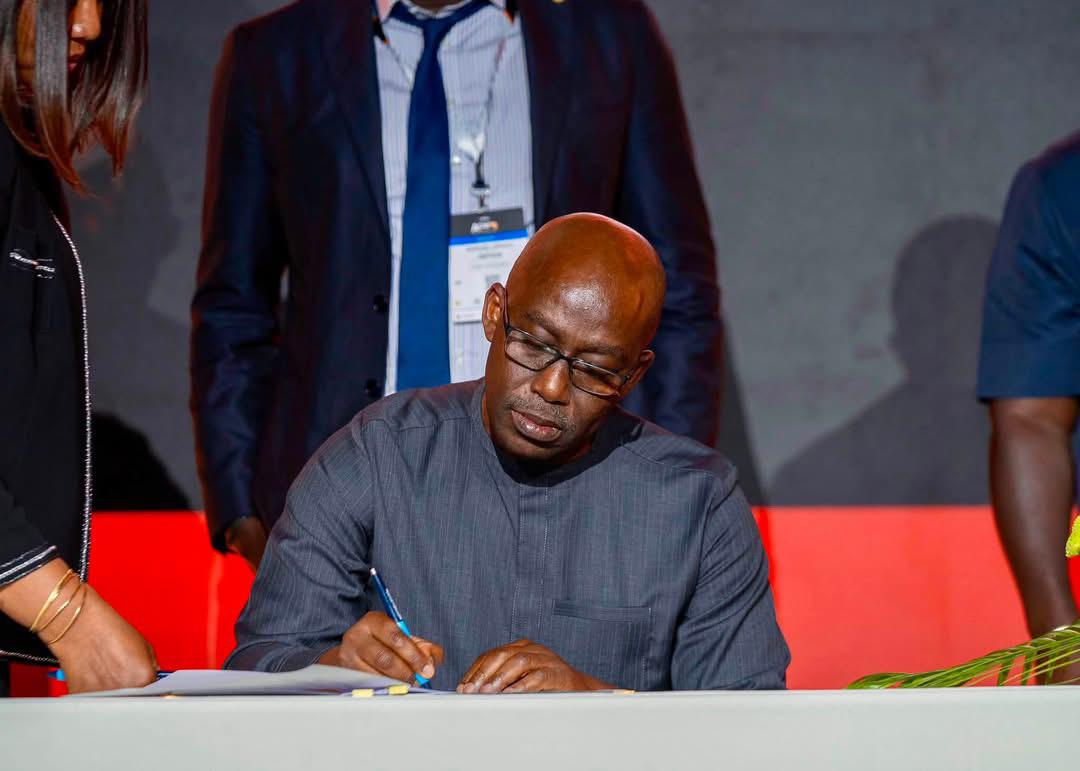
GNPC Chief Executive Kwame Ntow Amoah signed the MoU on behalf of the Corporation during the opening of the conference, providing a concrete development to the investment and exploration agenda outlined by Ghanaian officials at the event.
The agreement is significant because it places exploration at the centre of Ghana’s strategy to sustain its upstream petroleum industry.
As discussed at the opening of AOW 2026, the country is seeking to attract responsible investment while ensuring that the development of its natural resources generates greater economic value for Ghana.
Exploration Becomes Critical To Ghana’s Upstream Outlook
The South Deepwater Tano development comes against a broader need for Ghana to maintain momentum in petroleum exploration.
For an upstream petroleum industry, discoveries made today determine the production and revenue outlook of future years.
Exploration therefore carries strategic importance beyond the immediate commercial interests of participating companies.
Successful exploration can expand the resource base, support future production, strengthen petroleum revenues and create additional opportunities across the domestic oil and gas services industry.
The participation of major international energy companies in the South Deepwater Tano opportunity also illustrates the continuing importance of international capital and technical expertise to Ghana’s upstream ambitions.
This connects directly with the message delivered at the Presidential Dinner ahead of AOW 2026, where Vice President Prof. Naana Jane Opoku-Agyemang stressed that Ghana remains open to serious, long-term investment while arguing that resource development must generate stronger domestic value.
“The greater opportunity lies in how we develop them, the capacity we build around them, and how much of the resulting value stays in our countries.”
H.E. Prof. Naana Jane Opoku-Agyemang, Vice President of Ghana
The South Deepwater Tano MoU consequently represents more than an exploration-rights transaction.
Its eventual economic significance will depend on whether the partnership progresses from agreement to exploration activity, commercial discoveries and ultimately production.
Investment And Partnerships Drive New Opportunities
The MoU also reinforces the importance of partnerships in unlocking Ghana’s remaining petroleum potential.
Deepwater exploration is capital-intensive and technically complex, requiring geological expertise, specialised equipment and significant financial resources before commercial production can even be considered.
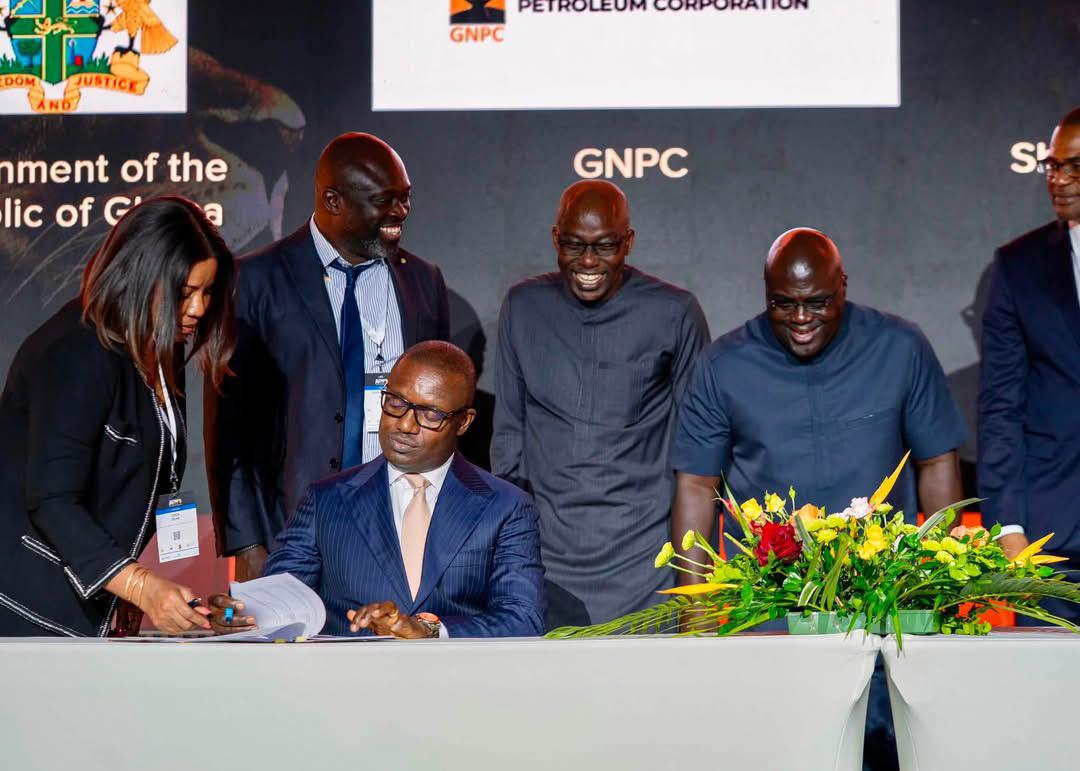
A partnership involving GNPC and established international energy companies can therefore combine Ghanaian institutional participation with international technical and financial capacity.
That balance is increasingly important as African petroleum-producing countries compete for investment in an evolving global energy market.
At the opening of AOW 2026, Chief of Staff Julius Debrah, speaking on behalf of President John Dramani Mahama, reaffirmed Ghana’s commitment to responsible investment, exploration and greater value creation from the country’s oil and gas resources.
The South Deepwater Tano agreement provides a practical illustration of that policy direction: attracting investment into exploration while retaining a role for Ghanaian institutions in the development of the country’s petroleum resources.
GNPC Seeks Greater Role In Resource Development
The agreement also fits into GNPC’s broader positioning at AOW 2026.
The Corporation has placed investment, exploration, partnerships and greater value for Ghana at the centre of its engagement at the conference.
This suggests an upstream strategy that seeks to combine the attraction of external investment with stronger national participation in resource development.
That objective, however, will ultimately be tested by implementation.
An MoU establishes a framework for cooperation, but exploration requires subsequent technical, commercial and regulatory processes.
The value of the South Deepwater Tano opportunity will therefore be determined by the extent to which the parties can translate the agreement into sustained exploration activity and, if the geological results support it, commercially viable development.
For Ghana, the stakes are broader than the performance of a single block.
A stronger exploration pipeline could help address concerns around the long-term sustainability of upstream production and provide new opportunities for domestic businesses, technical professionals and government revenues.
The development also arrives as Ghana seeks to make its petroleum sector more closely connected to national industrialisation.
Greater domestic participation in exploration and production can create stronger economic linkages when local companies are able to supply increasingly sophisticated goods and services and when technical knowledge is retained within the country.
The South Deepwater Tano MoU therefore adds substance to the investment narrative emerging from AOW 2026.
While government has reiterated its willingness to welcome serious investors, it has simultaneously placed greater emphasis on partnerships that build capacity and retain value within Ghana.
The central question now is whether the new exploration opportunity can progress from a signed framework into drilling, discovery and eventually production.
For Ghana’s upstream sector, that transition is crucial.
The future of the petroleum industry will depend not simply on attracting investors to available acreage, but on converting exploration opportunities into commercially viable resources while ensuring that the resulting economic activity strengthens Ghanaian institutions, businesses and the wider economy.
READ ALSO: Mahama Demands End to Cuba Embargo, Justice for Sudan and Gaza