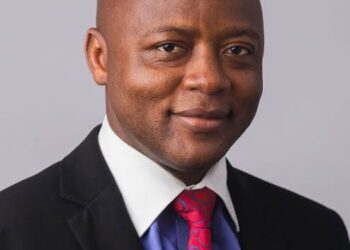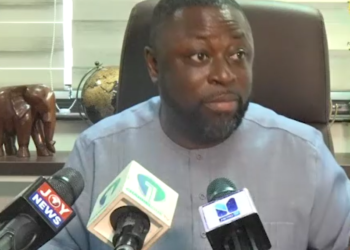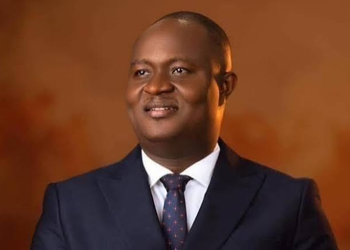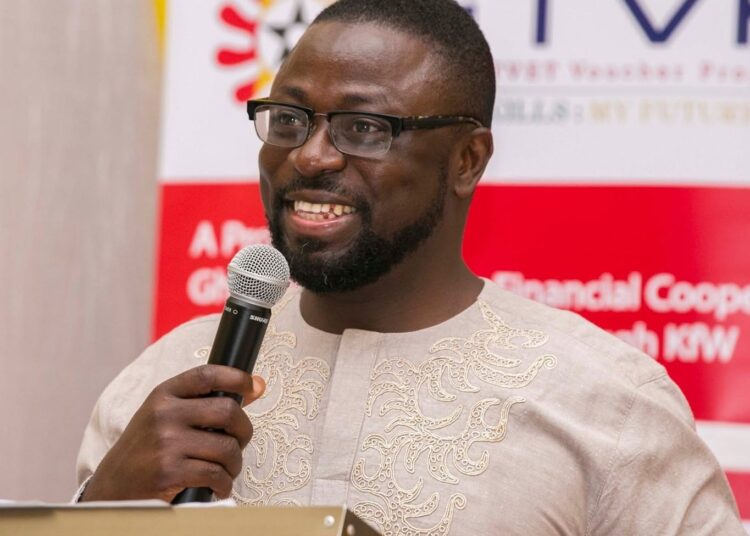
Member of Parliament for Offinso North, Honourable Fred Kyei Asamoah, has urged the government to treat educational policy as a long-term national priority instead of subjecting it to frequent political changes.
The Education Committee Member argued that reforms in the sector require patience because their full effects often take several years to become evident. Honourable Asamoah pointed to the computerised school placement system as an example of a policy that has undergone years of refinement since its introduction in 2017.
According to the Offinso North MP, the system was not perfect, but successive improvements have helped address weaknesses that emerged during its implementation. He therefore questioned the decision to introduce significant changes to an arrangement that has been in existence over several years without adequately explaining the shortcomings that necessitated the change.
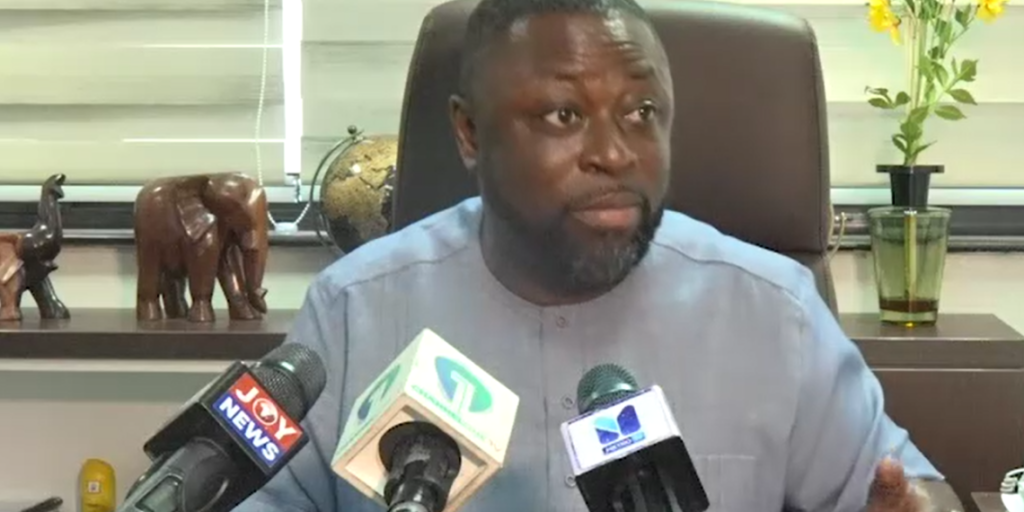
“Educational policies don’t get the responses or the outcomes within five or six years. Sometimes, it takes about 10 years for you to see the impact of your educational policies.”
Dr Fred Kyei Asamoah
Furthermore, Honourable Asamoah cautioned against treating education as an area where governments can repeatedly start afresh whenever there is a change in administration. He noted that the consequences of policy decisions in education extend beyond individual governments because they shape the prospects of children who will eventually become professionals, entrepreneurs and national leaders.
The Education Committee Member also criticised the “reactive decision making”, arguing that authorities should anticipate challenges within the sector and address them before they develop into nationwide problems. Additionally, he called for greater consistency in the implementation of educational programmes, stressing that the country should build on initiatives that have already been developed instead of abandoning them without sufficient justification.
Honourable Asamoah disclosed that Parliament raised questions about the changes to the placement arrangements, with some of the concerns yet to receive satisfactory explanations. He further revealed that requests have been made for additional data to enable lawmakers to properly examine the situation and assess the government’s approach to education.
The Offinso North MP emphasised that political considerations should not determine the direction of policies that directly affect the future of Ghanaian children. He consequently urged the government to establish a more deliberate approach to education planning, where reforms are properly assessed, tested and improved before being implemented nationwide.
Teacher Recruitment Must Match Demands Across Ghanaian Schools
Member of Parliament for Offinso North, Honourable Fred Kyei Asamoah also questioned the government’s ability to meet the staffing requirements of Ghana’s education sector amid persistent challenges affecting learning outcomes.
The Education Committee Member particularly drew attention to the gap between earlier recruitment commitments and the number of teachers the government currently plans to employ. Honourable Asamoah recalled that the government’s 2025 Budget contained plans to recruit 50,000 teachers alongside 10,000 non-teaching staff for the education sector.
He, however, pointed out that the current recruitment figure being discussed stands at about 7,000 teachers, prompting questions about whether the available workforce can adequately support the country’s growing educational needs.
The Offinso North MP linked staffing levels to the broader quality of education, arguing that student performance cannot be examined without considering the resources available to schools. He explained that children across the country do not learn under identical conditions, with differences in school facilities, teaching support and family resources influencing educational outcomes.
Beyond recruitment figures, Honourable Asamoah called for stronger interventions to support learners who require additional assistance to progress academically. He suggested that government should identify students facing difficulties early and provide targeted support instead of waiting until examination results expose weaknesses within the system.
Moreover, the Education Committee Member argued that the responsibility for improving educational outcomes should extend beyond the Ministry of Education to the wider government. He questioned why the public should have to raise an uproar before authorities begin considering solutions to problems within the sector.
In addition, Honourable Asamoah stressed that educational planning should be based on reliable data, indicating that information requested by Parliament would help lawmakers examine staffing and other challenges more thoroughly. He expects a further engagement on the data in the coming weeks as Parliament continues to assess developments within the education sector.
The Offinso North MP also cautioned that inadequate staffing could undermine efforts to improve learning outcomes, particularly when schools are expected to cater for large numbers of students. He therefore called for government commitments to the education sector to be matched by concrete implementation, resources and sustained monitoring.
READ ALSO: UK Imposes Sanctions on Israeli Settlements in Occupied West Bank