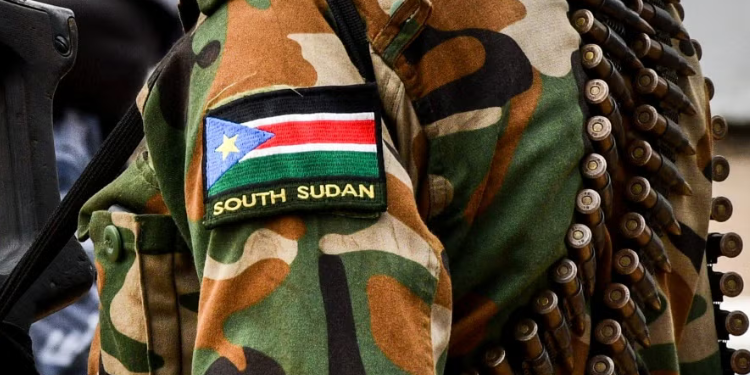
The UN Commission on Human Rights in South Sudan has warned that renewed violence, political tensions, shrinking civic space, corruption and persistent impunity are placing civilians and the country’s fragile democratic transition at growing risk.
The warning follows the Commission’s 14th visit to South Sudan, during which it spent four days engaging government authorities, political and security actors, civil society representatives, victims and survivors, humanitarian organisations, legal professionals and international partners.
With South Sudan preparing for planned elections in December, the Commission stated that the deteriorating security and political environment raises serious concerns about whether the conditions required for a peaceful and credible transition are in place.
According to Commission Chairperson Yasmin Sooka, “visit after visit, we continue to hear from people who bear the consequences of violence, displacement, insecurity and the failures of those with political and security responsibilities to prevent and address those harms.”
“What troubles us most is that we continue to hear similar stories of suffering families uprooted from their homes, communities living in fear, women and girls facing serious violations, and people struggling to access even the most basic services.
“The patterns have changed little, while the human cost continues to grow. South Sudanese people deserve better than to have their lives shaped by recurring cycles of violence and uncertainty.”
Yasmin Sooka
During the visit, Sooka travelled to Bor, where she met government authorities, civil society and humanitarian actors, as well as survivors of recent fighting in northern Jonglei State.
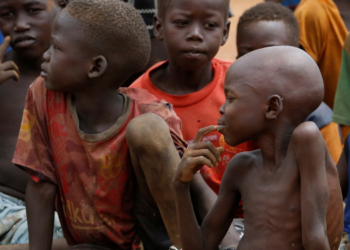
Survivors, including women and girls, reported experiences of sexual violence, killings, displacement and separation from family members. Some said they had been left without medical and psychosocial assistance, including people facing serious and urgent health needs.
The Commission also expressed concern over killings, attacks affecting civilians and civilian infrastructure, displacement and disruptions to humanitarian operations. It warned that increasing insecurity is also putting humanitarian personnel at risk.
The situation is being compounded by a severe funding shortfall. Humanitarian needs remain substantial, but available financing is insufficient, forcing aid organisations to reduce assistance even as demand continues to grow.
The Commission stressed that continued support for humanitarian operations and the UN Mission in South Sudan (UNMISS), particularly its civilian protection mandate, remains critical.
It also highlighted the recent attack on a UNMISS patrol in Jonglei in which two peacekeepers were killed and others injured. The Commission called for a prompt, thorough and independent investigation and urged that those responsible be held accountable in accordance with due process and international standards.
Election Preparations Raise Political Concerns
UN Commission’s concerns come at a particularly sensitive moment as South Sudan prepares for its planned December elections.
In an August 2026 advisory, At the Brink: Preventing Atrocity Crimes and Safeguarding South Sudan’s Transition, the Commission warned that elections held without essential safeguards and genuine, inclusive political dialogue could deepen tensions, fuel renewed conflict and increase the risk of atrocity crimes.
It reiterated that elections must be accompanied by conditions that allow meaningful political participation, protect fundamental freedoms, safeguard civilians and build public confidence in the electoral process.
Commissioner Barney Afako noted that political and civic space had narrowed while key conditions for peaceful and credible elections remained absent.
“The political failures of South Sudan’s leaders continue to reproduce the conditions for damaging violence. Implementation of the Revitalized Agreement has stalled, but its objectives for delivering a transformed, democratic and peaceful South Sudan remain as relevant as ever, and must be protected.”
Commissioner Barney Afako
He stressed that South Sudanese have a right to vote, but that right must be protected by ensuring citizens can participate freely, compete fairly and resolve electoral disputes through credible legal processes.
The Commission has therefore renewed its call for genuine and inclusive political dialogue involving all relevant political actors, including First Vice President Riek Machar’s Sudan People’s Liberation Movement-in-Opposition (SPLM-IO), holdout groups, civil society, women and youth.
It also called for the release of detained political opponents unless they are promptly brought before an independent and impartial court in proceedings that meet international human rights and due process standards.
Moreover, it urged the Government and the African Union to accelerate the establishment of the Hybrid Court for South Sudan and fully operationalise the Commission for Truth, Reconciliation and Healing and the Compensation and Reparation Authority.
The Commission added that these mechanisms are essential to addressing serious human rights violations and breaking the cycle of impunity.
Commissioner Carlos Castresana Fernández mentioned that the lack of accountability remained one of the central problems facing the country.
“All these years, the Commission has documented serious violations and identified the same underlying problem: impunity. Too often, those responsible for grave abuses have not been held accountable, while institutions responsible for justice remain weak and under-resourced.”
Commissioner Carlos Castresana Fernández
Castresana Fernández warned that the limited implementation of recommendations on corruption had left significant governance risks unresolved.
“When violations go unpunished, and public resources are diverted without consequence, impunity becomes entrenched, and that breeds violence. South Sudan cannot break this cycle without credible accountability, functioning justice institutions and transparent management of the country’s resources.”
Commissioner Carlos Castresana Fernández
The Commission urged the Government to strengthen public financial management, improve transparency and independent oversight of public revenues, and ensure national resources are directed towards essential public services.
It further called for corruption and economic crimes to be independently and transparently investigated and, where warranted, prosecuted.
READ ALSO: Nkrumah-Korsah Backs Nations FC to Overturn Deficit Against Diarra in CAF Confederation Cup