According to Dr. Catherine Gegout, Associate Professor in International Relations at the University of Nottingham, the European Union’s decision to award the 2026 Sakharov Prize for Freedom of Thought to the International Criminal Court (ICC) and its officials has reinforced European support for international justice amid mounting pressure on the institution.
Speaking in an interview with The Vaultz News, Dr. Gegout described the award as an important signal to the United States and European Union member states, arguing that the recognition should translate into practical measures to protect the Court’s operations and independence.
European Parliament President Roberta Metsola announced the award, recognising the ICC’s work in upholding international law and justice. The decision comes amid escalating tensions between the Court and the administration of US President Donald Trump, which has imposed sanctions targeting the ICC and its officials.
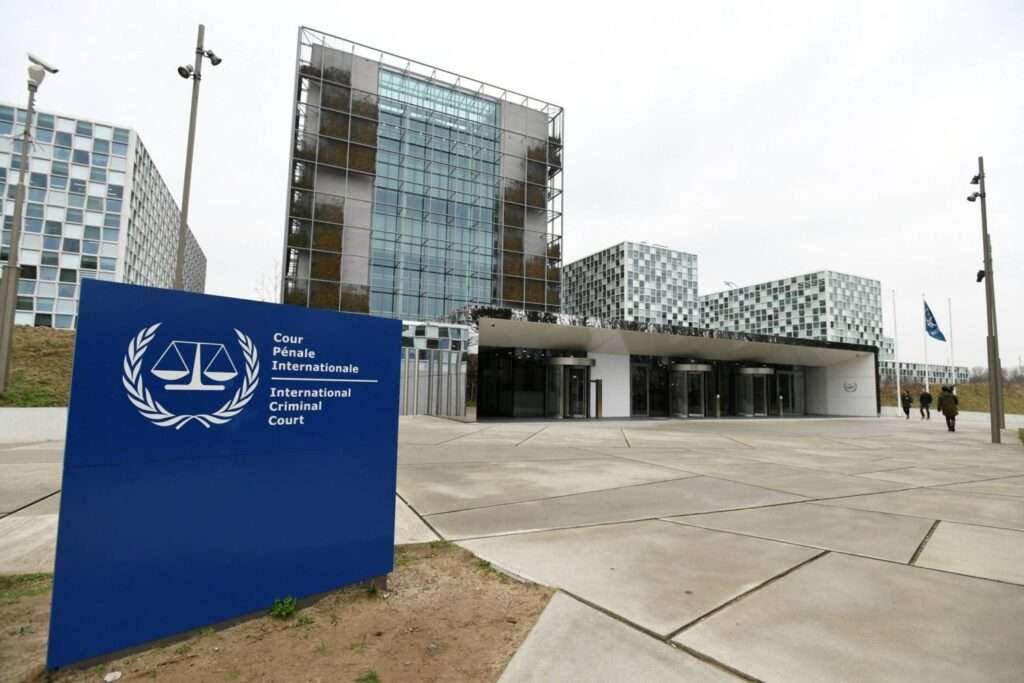
The Court has faced criticism from Washington over its investigations and legal actions involving the United States and its allies, including Israel. The sanctions have raised concerns about the ICC’s ability to maintain its operations and pursue its mandate.
Dr. Gegout opined that the award communicates the European Union’s intention to defend the Court while reflecting the views of citizens who support international justice.
“This is an important signal to the United States and to all EU states. The European Union is showing it wants to protect the ICC. It is also a voice for EU citizens who, through the European Parliament, want EU states to financially support the ICC’s day-to-day running.”
Dr. Catherine Gegout
The Sakharov Prize recognises individuals and organisations defending human rights and fundamental freedoms. Its award to the ICC and its officials places renewed attention on the Court’s role in addressing serious international crimes, including genocide, war crimes and crimes against humanity.
However, the recognition does not automatically resolve the financial and operational challenges confronting the institution.
Dr Gegout argued that the significance of the award would depend partly on whether European governments followed the symbolic gesture with sustained support.
Analyst Bemoans US Sanctions Against ICC
Dr. Gegout warned that US sanctions could interfere with the Court’s ability to conduct its judicial work, particularly because of its reliance on financial services and technology provided by US companies. “US sanctions endanger the work of the ICC,” she said.
She argued that restrictions on financial services could affect judges’ access to their own credit cards and create broader difficulties for the Court’s operations.

According to Dr Gegout, roughly 92 per cent of the ICC’s judicial processes could stop working because they depend on US companies.
The figure reflects her assessment of the potential operational consequences of the restrictions. The extent of any disruption will depend on the sanctions’ implementation, applicable exemptions and the availability of alternative services.
The concerns nevertheless exposethe challenges international institutions can face when political decisions by powerful states affect their access to essential commercial services.
For Dr. Gegout, official support from the European Union and its member states is important not only for the ICC’s immediate functioning but also for the legitimacy of the international justice system. “Every official support for the ICC contributes to the legitimacy of the Court, and of the rules-based international order,” she said.
US Position Deemed The Most Significant Threat To ICC’s Effectiveness
The ICC’s difficulties have also intensified debate about the relationship between state sovereignty and international accountability.
US opposition to the Court has grown amid its legal actions involving Israeli Prime Minister Benjamin Netanyahu. In November 2024, the ICC issued an arrest warrant for Netanyahu and former Israeli Defence Minister Yoav Gallant over alleged crimes within the Court’s jurisdiction. The warrants are not criminal convictions.
Dr. Gegout identified the US position as the most significant threat to the Court’s effectiveness, warning that the pressure could continue beyond the current administration.
“The position of the US is the biggest threat to the Court’s effectiveness.
“This threat could continue under Trump, or another Republican leader. However, this threat can be mitigated by the EU.”
Dr. Catherine Gegout
She added that the situation could change under a future US administration, potentially opening the way for sanctions to be lifted and relations with the Court to improve.
“It could also disappear in the long term. If someone like Alexandria Ocasio-Cortez becomes US President, they would want the US to not only lift its sanctions on the ICC, but even join the ICC.”
Dr. Catherine Gegout
Her assessment emphasizes the uncertainty surrounding the ICC’s long-term relationship with Washington and the importance of maintaining international cooperation despite political disagreements.
READ ALSO: Bulgaria Votes As Russia-Ukraine War Dominates Presidential Race