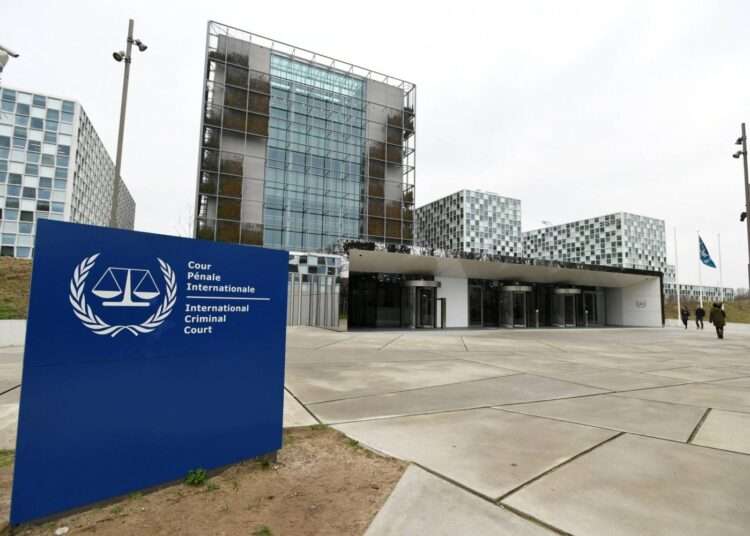
The International Criminal Court (ICC) and its officials have been awarded the European Union’s 2026 Sakharov Prize for Freedom of Thought, recognising the institution’s work in international justice as it faces growing pressure and sanctions from critics, including the United States.
European Parliament President Roberta Metsola announced the award, saying that it recognised the court’s contribution to upholding international law and justice.
“The European Union is built on respect for multilateralism and international institutions, and this prize recognises the important work of the court in upholding international law and justice.”
Roberta Metsola
The ICC investigates and, where warranted, prosecutes individuals accused of the gravest crimes of concern to the international community, including genocide, war crimes, crimes against humanity and the crime of aggression.
As the world’s first permanent international criminal court, established under the Rome Statute, it operates as a court of last resort, complementing national judicial systems when they are unable or unwilling to prosecute such crimes.
The award highlights the ICC’s investigations, prosecutions, trials and the issuance or authorisation of arrest warrants, while drawing attention to the importance of protecting international mechanisms for accountability.
European Commission President, Ursula von der Leyen welcomed the recognition in a post on X, reaffirming Europe’s support for ICC President Tomoko Akane, its judges and officials.
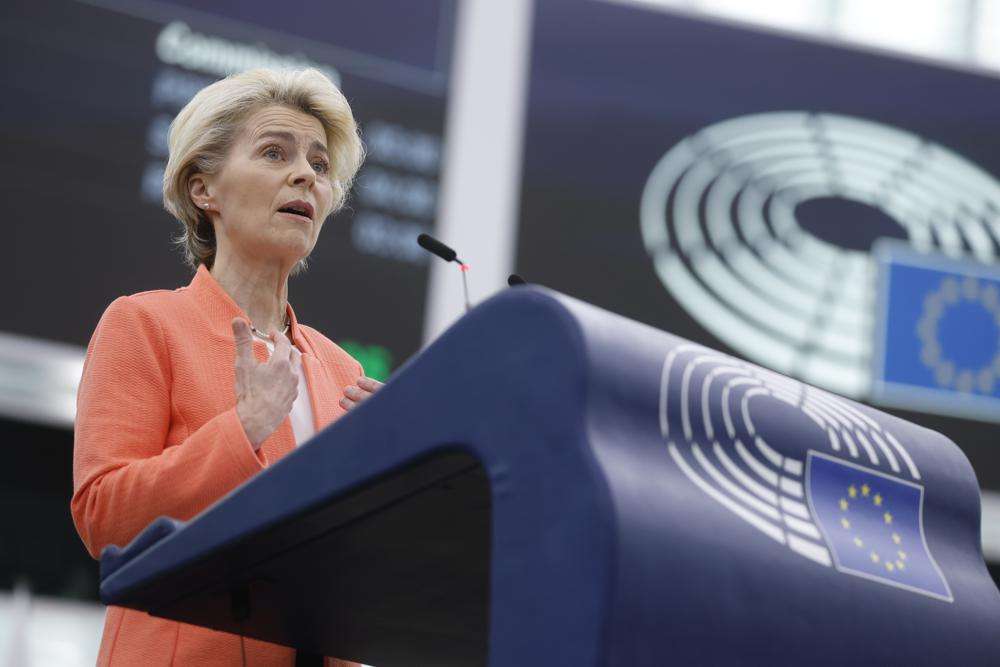
“For victims of the world’s gravest crimes, justice means a voice. The @IntlCrimCourt must be free to pursue its mission, independently, and without pressure or intimidation.”
Ursula von der Leyen
European Parliament Raises Concerns Over Sanctions
The award comes amid mounting concerns within the European Union about sanctions imposed on the ICC and individuals associated with its work, particularly measures introduced by the United States since 2025.
In its 2025 annual reports on the implementation of the Common Foreign and Security Policy and on human rights and democracy worldwide, the European Parliament expressed deep concern over what it described as growing threats to the court.
Members of the European Parliament (MEPs) condemned successive waves of sanctions targeting the ICC, including its prosecutors, judges, staff and partners, viewing them as serious attacks on the international justice system.
MEPs have repeatedly called on the European Commission to activate the EU’s so-called blocking statute to shield officials and other European operators from the extraterritorial effects of certain foreign laws.
The statute is designed to protect European operators, regardless of their size or sector, by preventing specified foreign judicial decisions based on foreign laws from taking effect within the EU. It can also allow affected parties to seek compensation through the courts for damages arising from the extraterritorial application of those laws.
Parliamentarians have argued that such protections could help the ICC continue its work independently, without undue pressure from external actors.
The European Parliament has also welcomed the continuation of EU financial support for the court at what it describes as a particularly difficult period for international justice.
All EU member states are parties to the Rome Statute and are therefore bound by its provisions, including their obligations concerning cooperation with the ICC.
MEPs have warned that the growing disregard for international law and the politicisation of debates surrounding international justice institutions pose an existential threat to the rules-based international order.
The President of the ICC and several judges visited European Parliament committees in 2025 and 2026 to explain how US sanctions had affected their professional responsibilities and personal lives.
Award Comes As ICC Faces International Pressure
The Sakharov Prize adds to the ICC’s international recognition at a time when its work has drawn criticism from powerful political figures, particularly US President Donald Trump and Israeli Prime Minister Benjamin Netanyahu.

The court’s role in pursuing accountability for alleged international crimes has placed it at the centre of wider debates over state sovereignty, international law and the authority of global judicial institutions.
By recognising the ICC, the European Parliament has highlighted the importance it attaches to international criminal justice and the protection of institutions tasked with addressing the world’s gravest crimes.
Metsola also used the announcement to recognise other individuals associated with struggles for freedom and human rights. “I also want to use this moment to recognise Tundu Lissu from Tanzania, and Taraneh and Romina Rahimi on behalf of all those persecuted by the Iranian Islamic Regime,” she said.
Established in 1988, the Sakharov Prize for Freedom of Thought is named after Soviet physicist and political dissident Andrei Sakharov. The European Parliament awards it annually to individuals or organisations recognised for defending human rights and fundamental freedoms.
Its areas of focus include freedom of expression, minority rights, respect for international law, democratic development and the defence of the rule of law.
The 2026 award ceremony is scheduled to take place in December in Strasbourg during a European Parliament plenary session.
The recognition places the ICC’s work and the broader question of protecting international justice institutions firmly in focus, as European leaders reiterate their support for the court’s independence amid continuing international pressure.
READ ALSO: Buffer Stock Case: AG Challenges Trial Suspension at Supreme Court