


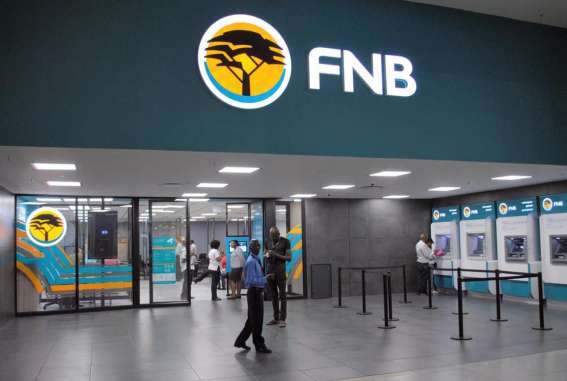
First National Bank has reintroduced its unsecured, system pre-approved business loan facility, offering eligible Ghanaian businesses another opportunity to secure financing without providing traditional collateral.
The initiative targets one of the most persistent challenges facing small and medium-sized enterprises (SMEs) in Ghana: access to credit. Many businesses struggle to secure loans because they lack sufficient assets to pledge as collateral or cannot provide the financial documentation lenders typically require.
By allowing qualifying businesses to leverage their banking history and financial performance, First National Bank is seeking to make business financing more accessible, convenient and responsive to the needs of entrepreneurs looking to expand their operations.
The facility provides pre-approved unsecured loans and overdraft facilities to eligible businesses for working capital requirements and expansion plans.
First National Bank Targets Ghana’s SME Financing Gap
Access to affordable financing remains a major hurdle for businesses seeking to grow, purchase inventory, meet operational expenses or invest in new opportunities.
While some businesses generate steady revenue and maintain viable operations, their inability to meet conventional lending requirements can prevent them from obtaining the funds needed to move to the next stage of growth.
First National Bank’s reintroduced facility offers an alternative approach by considering a business’s financial track record and banking behaviour when determining eligibility.
Rather than relying exclusively on traditional collateral, the bank assesses transactional behaviour, financial performance and the overall credit risk profile of businesses seeking financing.
The approach could benefit eligible enterprises that consistently channel their revenue through their bank accounts and maintain accurate financial records.
However, access to the facility remains subject to the bank’s eligibility assessment, meaning businesses will still need to demonstrate financial discipline and an acceptable credit risk profile.
Financial Performance Becomes the New Collateral
Mark Achiampong, Head of Commercial and Business Banking at First National Bank, said the initiative reflects the bank’s commitment to helping entrepreneurs obtain financing to support growth, investment and job creation.
“We want to support entrepreneurs who are ready to grow, create jobs, and invest in their businesses. Maintaining accurate financial records and consistently banking revenue is more than an administrative responsibility. It is a powerful way for businesses to demonstrate their creditworthiness and unlock access to finance.”
Mark AchiampongHe stated that the bank’s ambition is to make access to credit faster, fairer, and more accessible for the businesses driving Ghana’s economy.
His remarks highlight the importance of financial transparency in determining whether a business can access credit.
For SMEs, maintaining proper accounts and consistently banking business revenue can do more than simplify bookkeeping. These practices can help establish a reliable financial history that lenders can assess when making credit decisions.
Businesses that rely heavily on cash transactions without maintaining adequate records may find it more difficult to demonstrate their ability to repay loans.
First National Bank’s approach places greater emphasis on the financial information businesses generate through their day-to-day operations, potentially creating opportunities for qualifying enterprises that lack substantial physical assets.
How the Pre-Approved Loan Facility Works
The bank’s pre-approved unsecured lending solution uses business financial performance and account activity to assess eligibility for credit.
According to Achiampong, businesses can improve their prospects by maintaining disciplined financial records, consistently banking revenue and managing their accounts effectively.
“With our pre-approved unsecured loan offering, a business’s financial track record does the work. Our assessment model evaluates transactional behaviour, financial performance, and overall credit risk profile to determine eligibility.
“Businesses that maintain disciplined records, bank their revenue consistently, and manage their accounts well build a track record that works in their favour. In many ways, strong financial performance becomes a form of collateral, helping businesses access the funding they need to scale and succeed.”
The facility could offer eligible businesses greater flexibility when addressing short-term cash flow pressures or pursuing expansion opportunities.
Working capital is particularly important for enterprises that need to pay suppliers, replenish stock, cover operating expenses or meet other financial commitments before receiving payments from customers.
An overdraft facility can also help manage temporary gaps between incoming revenue and outgoing payments, although businesses must carefully consider the costs and repayment obligations associated with borrowing.
The availability of pre-approved financing may reduce some of the barriers businesses encounter when seeking credit. However, the bank’s assessment of each business’s financial performance and credit risk remains central to determining eligibility.
What SMEs Must Do to Improve Their Creditworthiness
The initiative also places renewed attention on the financial habits that can strengthen a business’s relationship with lenders.
SMEs seeking to improve their access to financing should maintain accurate financial statements, separate business and personal transactions where possible, and consistently deposit business revenue into their accounts.
Keeping reliable records of sales, expenses, outstanding debts and cash flow can also help business owners understand their financial position and demonstrate their capacity to meet repayment obligations.
These practices do not guarantee loan approval, but they can provide lenders with a clearer picture of a business’s financial health.
For entrepreneurs who have struggled to access conventional financing because of limited collateral, a stronger banking track record could become an important advantage.
Supporting Business Growth Through Alternative Financing
First National Bank’s reintroduced facility forms part of its broader commitment to supporting SME development through innovative financing solutions.
The initiative comes as businesses continue to seek financing that can accommodate their operational needs and growth ambitions without placing excessive emphasis on traditional collateral requirements.
Although the facility does not eliminate lending conditions, its emphasis on financial performance offers eligible businesses another potential route to credit.
Ultimately, the impact will depend on how accessible the facility is to qualifying enterprises, the terms attached to the loans and overdrafts, and the extent to which businesses can use the funds productively.
By recognising the role of consistent revenue, disciplined account management and financial transparency, First National Bank is placing business performance at the centre of its approach to unsecured lending.
For Ghanaian SMEs seeking to expand, the facility provides another reason to treat sound financial record-keeping as a strategic business asset rather than a routine administrative task.
READ ALSO: IMF Opens Ghana Review as 2027 Budget Faces Critical Scrutiny