UK inflation has risen to 3.1% in the year to August 2026, up from 2.9% in July, as soaring petrol and diesel prices drove the latest increase in consumer prices.
Figures released by the Office for National Statistics (ONS) showed that consumer price inflation increased from 2.9% in July to 3.1% in August.
The latest reading marks another increase in the rate of price growth after inflation reached its highest level in four months in July.
The August rise was largely linked to transport costs, particularly motor fuels, with the ONS identifying petrol and diesel prices as the biggest upward contributor to the overall inflation rate.
While the headline inflation rate increased, underlying price pressures showed a more stable picture. Core CPI, which excludes volatile components including energy, food, alcohol and tobacco, remained at 2.6% in August, unchanged from July.
The difference between headline and core inflation indicates that energy-related costs played a significant role in pushing the overall rate higher during the month.
It also provides a clearer picture of the factors behind the latest increase, as prices outside the more volatile categories did not accelerate at the same pace.
The Bank of England has set a target of keeping inflation at 2%, meaning the August figure remained above the central bank’s objective. The latest data therefore arrives at an important point for monetary policy, with the Bank scheduled to meet on Thursday to decide whether to adjust its interest rate.
The Bank’s interest rate currently stands at 3.75%, following previous efforts to bring inflation under control. The latest increase could complicate the policy outlook as policymakers balance the need to contain inflation against the wider economic effects of maintaining borrowing costs at elevated levels.
The ONS noted that transport was the largest contributor to the increase, with prices in the division rising by 4.6% in the 12 months to August.
ONS Chief Economist Grant Fitzner stated that, “sharp price rises for petrol and diesel pushed inflation up again in August.”
He added, “higher airfares, particularly for long-haul journeys, also contributed to the increase.”
The rise in fuel prices was particularly pronounced over the month. According to the ONS, the average price of petrol increased by 9.1 pence per litre between July and August 2026, compared with an increase of only 0.3 pence per litre over the same period in 2025.
Fuel Prices Deepen Household Cost Pressures
The latest inflation figures have been accompanied by further increases at UK forecourts, intensifying concerns over the effect of fuel costs on household finances.
The RAC reported earlier that the cost of filling a family car had increased by almost £5 since the beginning of September. Average forecourt prices reached 170.54 pence per litre for petrol, while diesel rose to 192.86 pence per litre.
Diesel was reported to be at its highest price since 29 July 2022, while petrol prices reached levels not seen since 23 August 2022.
The development means that motorists are facing higher costs not only when purchasing fuel but potentially across other areas of household spending as transport becomes more expensive.
Transport is closely connected to wider economic activity, meaning higher fuel costs can increase the cost of moving people and goods.
However, the August inflation figures were not driven uniformly across all categories.
Housing and household services made the next-largest contribution outside transport, while clothing provided the biggest downward contribution. Food and non-alcoholic drinks also made the smallest contribution to inflation since September 2021.
That moderation in food inflation provided some relief at a time when household budgets remain sensitive to changes in essential spending.
The Food and Drink Federation’s Chief Economist, Dr Liliana Danila, nevertheless warned that pressures within the food system remained significant.
“Inflation was steady in August because the entire food system, including manufacturers, is straining to find further efficiencies and keep costs as low as possible for shoppers. However, the cost pressures caused by war in Iran, droughts across the UK and Europe, and El Niño are still very real challenges for food and drink manufacturers. We expect these to filter through into prices in shops.”
Dr Liliana Danila
He added, “Government can help tackle rising shopping bills. We’ve given the Chancellor suggestions on how he can help take the heat out of food inflation, including providing rapid and targeted energy support for food and drink manufacturers. Food and drink is an essential that households can’t go without. If the government is serious about tackling the cost-of-living, this sector needs to be a priority.”
Bank of England Faces Inflation Pressure
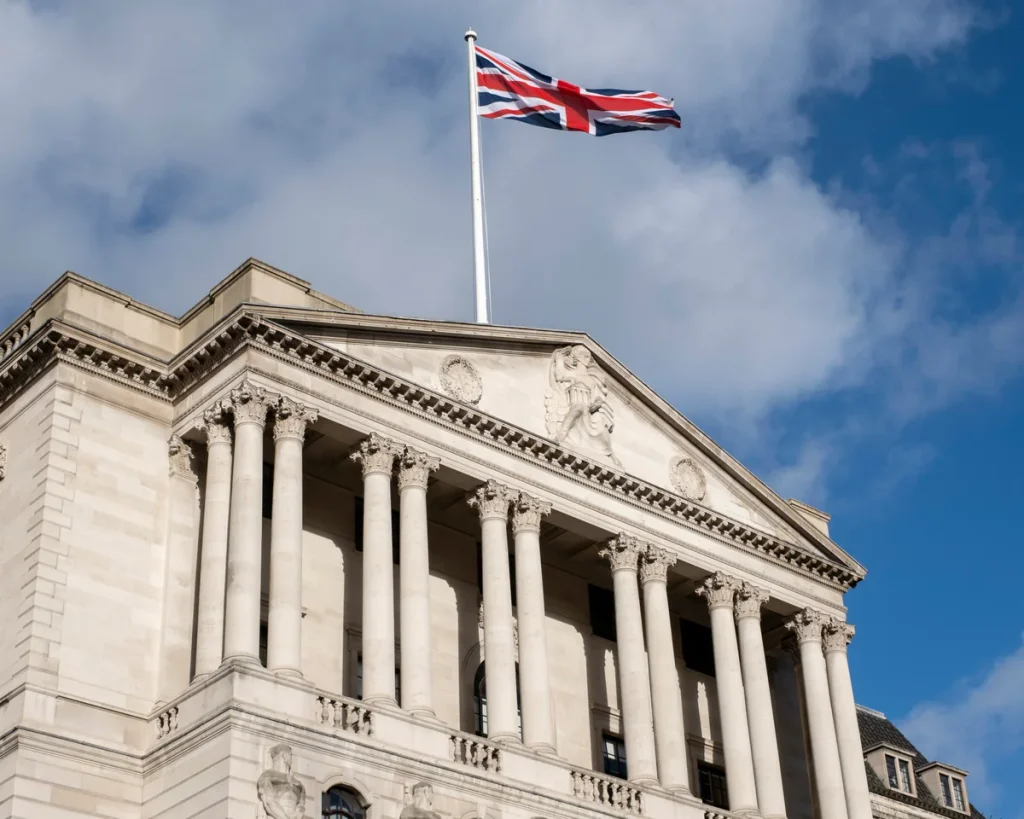
The latest figures arrive just a day before the Bank of England’s next interest-rate decision, putting renewed attention on how policymakers assess the persistence of inflation.
The central bank uses interest rates as one of its main tools for controlling inflation. Higher rates can reduce demand by increasing borrowing costs, while lower rates can support economic activity by making credit cheaper.
The August inflation increase, however, appears to have been driven substantially by transport and fuel prices rather than a broad acceleration in underlying inflation.
Scott Gardner, an Investment Strategist at J.P. Morgan Personal Investing, stated that the increase was “unlikely to convince the Bank of England to hike interest rates just yet.”
However, “it could raise fresh concerns about the outlook for inflation among policymakers,” he added.
The distinction between headline and core inflation will therefore remain important as policymakers assess the latest data. While the headline rate moved further above the 2% target, core inflation remained unchanged at 2.6%.
The government has also linked the latest cost pressures to developments beyond the UK’s borders.
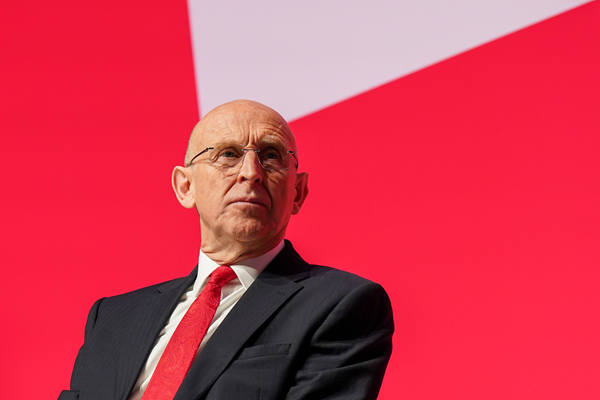
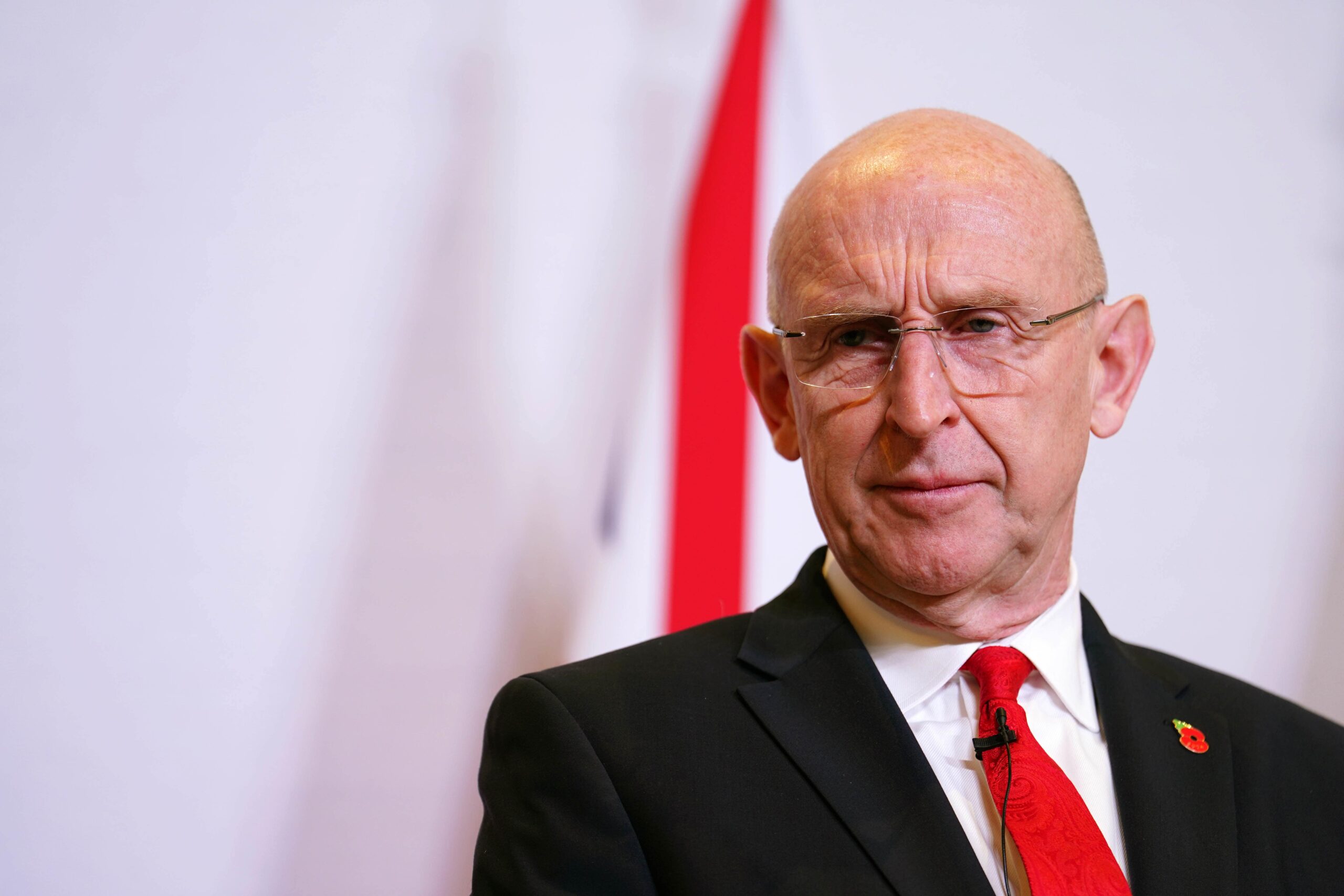
Chancellor John Healey noted that, “the war in the Middle East is impacting on inflation worldwide, not just here at home.”
“In our bills, our weekly shop and at the petrol pumps. We have taken early action to help families and businesses breathing space, by cutting tax on electricity bills, capping bus fares at £2 and lowering rates for pubs, social clubs and live music venues.
“Despite this serious global uncertainty, our UK economy is proving resilient, and our determination to deliver growth in every postcode continues.”
John Healey
The latest figures therefore place UK economy at the intersection of domestic price pressures and international developments. While food inflation has remained comparatively subdued, higher transport and fuel costs have pushed the headline rate further above the Bank of England’s target.
READ ALSO: Tax Compliance Gap Tests Ghana’s Business Recovery