
Ghana and a growing coalition of African mineral-producing nations are targeting enhanced institutional cooperation to reform gold-sector governance across the continent under a newly emerging regional partnership framework.
Driven by a shared ambition to maximize local economic benefit from extractive resources, this collaborative drive focuses on leveraging Ghana’s operational and regulatory blueprint to refine natural resource management, licensing, and formalisation protocols across participating states.
By establishing structured peer-to-peer technical exchanges, these nations aim to build robust, transparent mechanisms that safeguard mineral revenue while fostering sustainable, value-added domestic gold supply chains.
“For Ghana, the study tours also provide an opportunity to share its experience while strengthening technical and institutional cooperation with other African mineral-producing countries. Taken together, the seven engagements demonstrate the breadth of international interest in Ghana’s approach to gold-sector governance.”
Ghana Gold Board
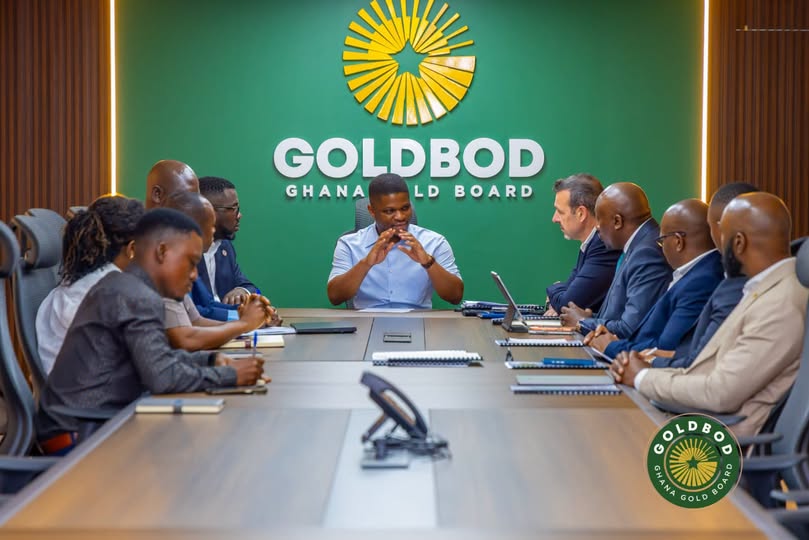
Building upon this foundational vision, the expanding partnership addresses critical systemic gaps that have historically undermined sovereign resource collection and localized development across African mining jurisdictions.
Through high-level institutional engagements, country delegations are collaboratively evaluating key operational pillars, including domestic gold purchasing initiatives, small-scale mining regulation, gold trading certification, and formal policy reform.
This bilateral and multilateral alignment enables visiting regulatory authorities to adapt proven regulatory models to their distinct domestic frameworks.
Consequently, the collaborative mechanism serves as a vital bridge for policy harmonization, allowing African nations to strengthen technical capacity, combat illicit financial flows, and assert collective sovereignty over their valuable mineral wealth.
Regional Momentum Building Around GoldBod Model
The growing trajectory of diplomatic and technical exchanges reflects a concerted continental push toward institutional governance in the precious metal’s domain.
The sequence of official visits beginning with delegations from Sierra Leone and Mozambique in 2025, and expanding to Tanzania, Zimbabwe, Zambia, Sudan, and Namibia in 2026 provides a substantial and growing record of regional engagement around the “GoldBod construct.”
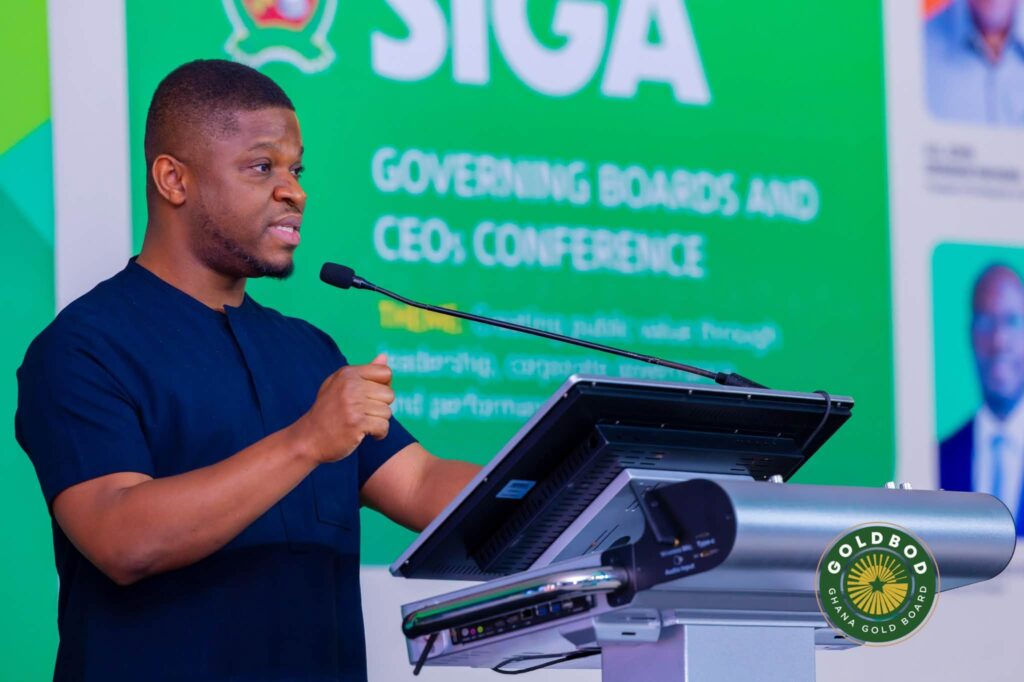
While these visiting delegations possess distinct country-specific objectives, their overarching focus remains centered on examining the institutional mechanisms Ghana has instituted to manage mineral revenue and domestic gold acquisition effectively.
This deliberate exchange of institutional insights enables participating states to fast-track their regulatory modernization while avoiding the historical pitfalls of fragmented oversight.
Addressing the Need for Sustainable Resource Governance
The economic imperative driving this continental initiative stems from decades of resource leakage, unregulated small-scale extraction, and sub-optimal revenue capture across African mining nations.
For far too long, vast quantities of gold extracted across Sub-Saharan Africa have bypassed state reserves through unrecorded channels, depriving governments of vital foreign exchange and statutory taxes.
By establishing structured domestic gold purchasing programs and formalising artisanal mining, nations can anchor domestic currencies, build national bullion reserves, and create predictable revenue streams for public infrastructure.
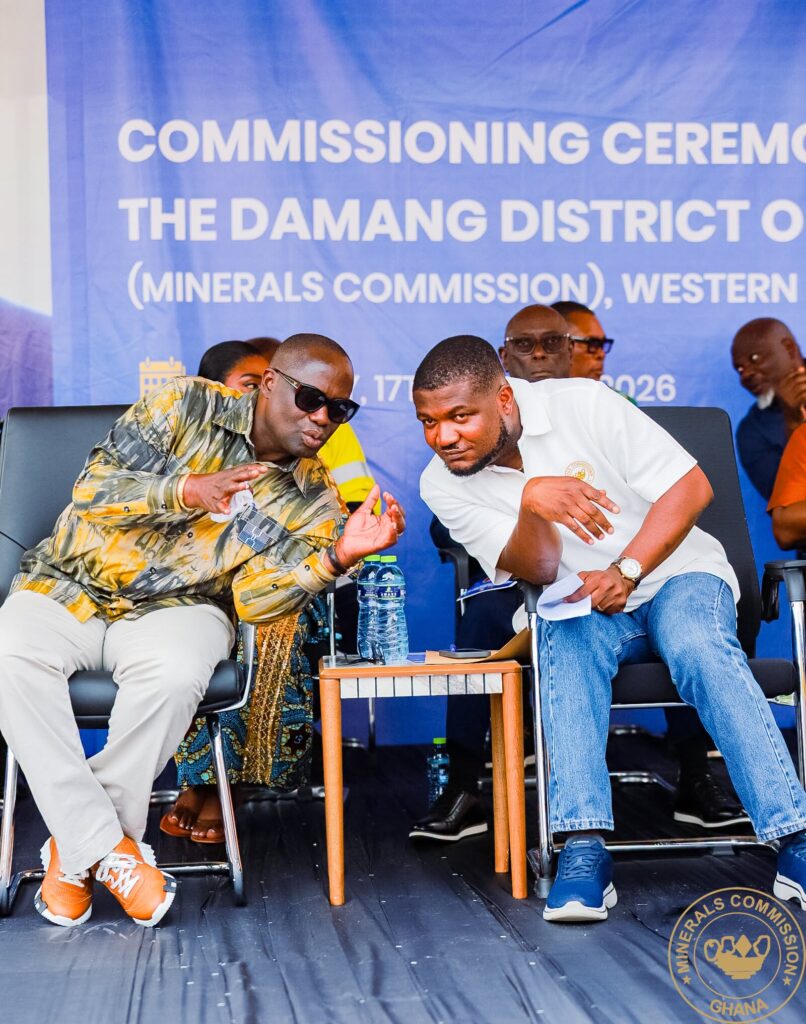
Moreover, the drive toward local value addition such as domestic refining and regulated assaying is crucial to altering Africa’s historical position as a mere exporter of raw commodities.
The GoldBod framework offers a practical operational template that bridges the gap between state regulation and primary producers, ensuring that legal market access is extended to small-scale operators while maintaining compliance with international standards against conflict minerals.
Strengthened cross-border cooperation minimizes regional smuggling arbitrage, establishing unified compliance parameters that protect national assets across adjacent corridors.
Shaping the Continental Extractive Agenda
As more African countries actively explore innovative ways of capturing greater value from their mineral endowments, the sustained interest in Ghana’s regulatory mechanisms positions the nation’s experience at the center of a broader continental discourse.
This evolving dialogue seamlessly connects gold governance, formalisation, natural-resource oversight, and industrial value addition into a single strategic priority for Africa’s economic transformation.
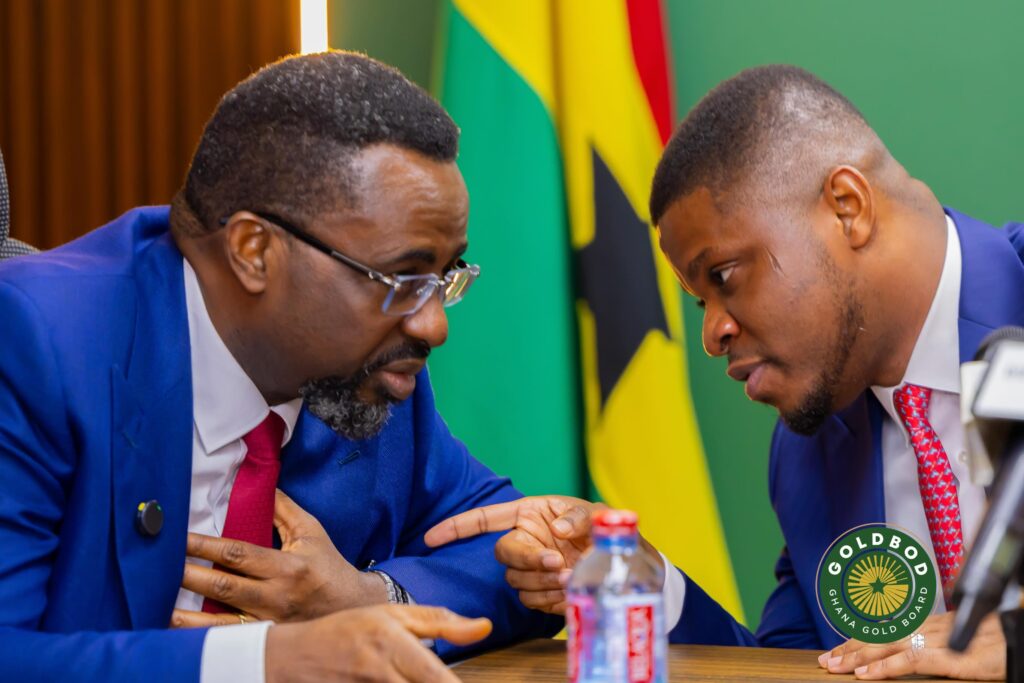
Ultimately, the institutional cooperation forged through these study tours marks a definitive shift toward self-reliant, pan-African resource governance.
By fostering direct technical alignment between state regulatory bodies, Ghana and its regional partners are establishing a resilient framework capable of retaining resource wealth domestically.
This shared institutional vision not only enhances state capacity but also empowers African mineral-producing nations to negotiate from a position of unified strength in the global commodities market.
READ ALSO: Gender Ministry To Establish 16 Shelters, Five Child Protection Bills Advance