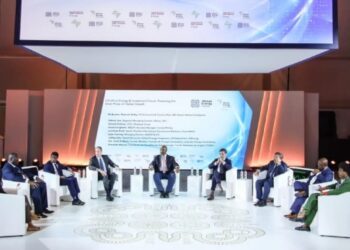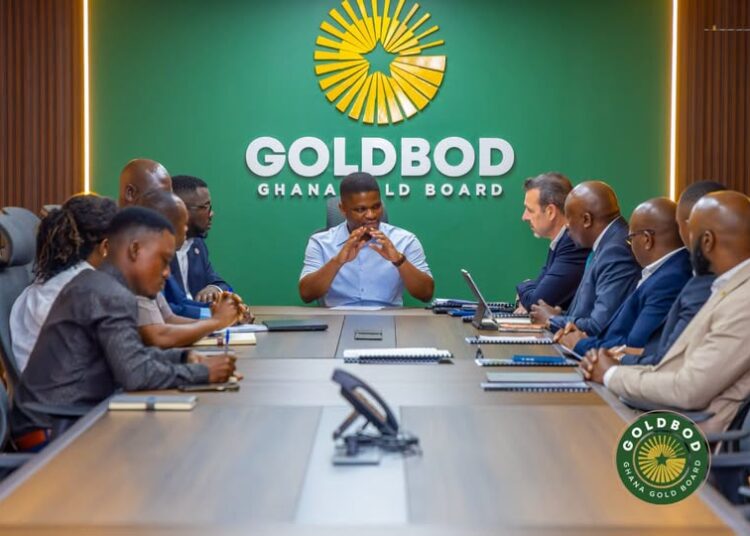
The Ghana Gold Board (GoldBod) model is increasingly drawing regional interest as seven international delegations from across Africa have undertaken official visits and engagements over a 12-month period to examine Ghana’s pioneering gold governance framework.
This growing inter-African collaboration aims to assist these sovereign states in formalising gold trading operations, centralising oversight, and regulating domestic precious metal markets to maximise national revenue and retain intrinsic value locally.
“The visits, involving Sierra Leone, Mozambique, Tanzania, Zimbabwe, Zambia, Sudan and Namibia, reflect growing interest in Ghana’s efforts to assert national sovereignty over the exploitation of its gold resources under the GoldBod model through a centralised, well-structured and an effectively regulated gold value chain.”
Ghana Gold Board (GoldBod)
Regional Delegations Study Ghana’s Framework
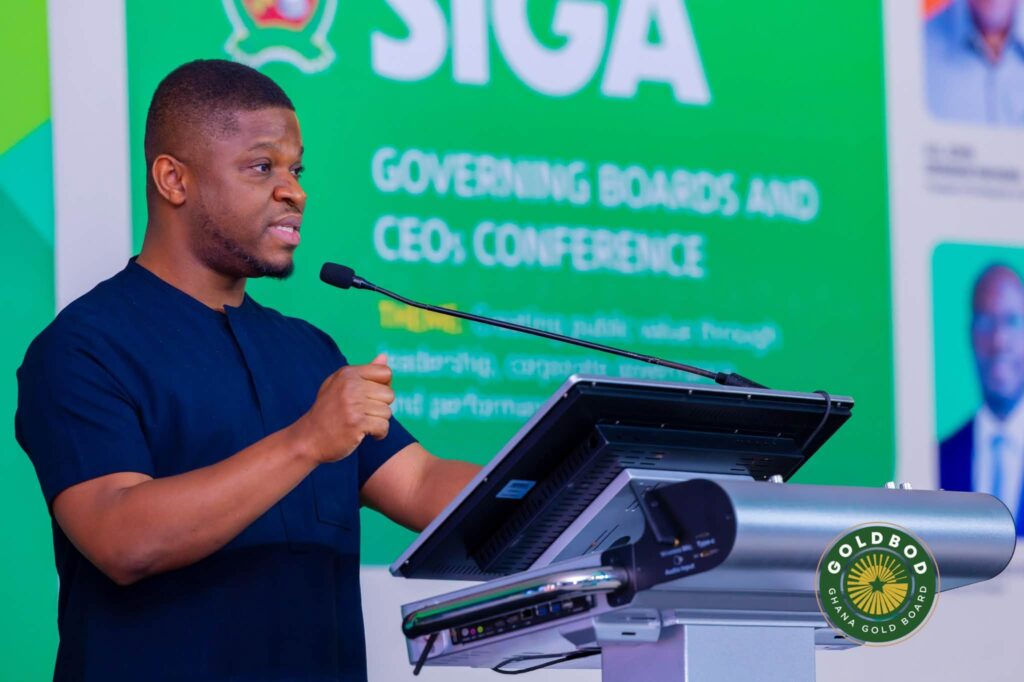
The official engagements commenced in September 2025 when Sierra Leone’s Minister of Finance, Sheku Ahmed Fantamadi Bangura, visited GoldBod Chief Executive Officer Sammy Gyamfi to examine how Sierra Leone could adapt the Ghanaian model to strengthen mineral revenue management.
Describing the framework as a “potential blueprint for sustainable gold-sector reform in Africa,” Bangura noted the institution’s swift progress alongside simultaneous efforts with the Ghana Commodity Exchange on asset tokenisation and exchange-traded funds.
Shortly thereafter, in October 2025, officials from Mozambique’s Ministry of Mineral Resources and Energy including Kimberley Process representatives undertook a two-day technical study led by Deputy CEO Richard Nunekpeku, Esq., to review institutional regulation over precious metals, rough diamonds, and gemstones.
In January 2026, a 15-member delegation from Tanzania’s Minerals Commission, led by Dr. Theresia Numbi, benchmarked Ghana’s gold-buying regime, characterizing the nation as a “pioneer and centre of excellence in Africa.”
This engagement expanded four months later when the Central Bank of Tanzania conducted a dedicated study tour focusing on Ghana’s Domestic Gold Purchasing Programme and its successor, GANRAP.
Formalising Artisanal Mining and Emerging Gold Reserves
Technical engagements broadened in April 2026 when Zimbabwe’s BetterBrands Team visited GoldBod to study operational strategies for formalising artisanal and small-scale gold mining ecosystems.
By July, Zambia dispatched a high-level delegation following formal diplomatic requests to establish a structured trading system for its newly confirmed commercially viable gold deposits.
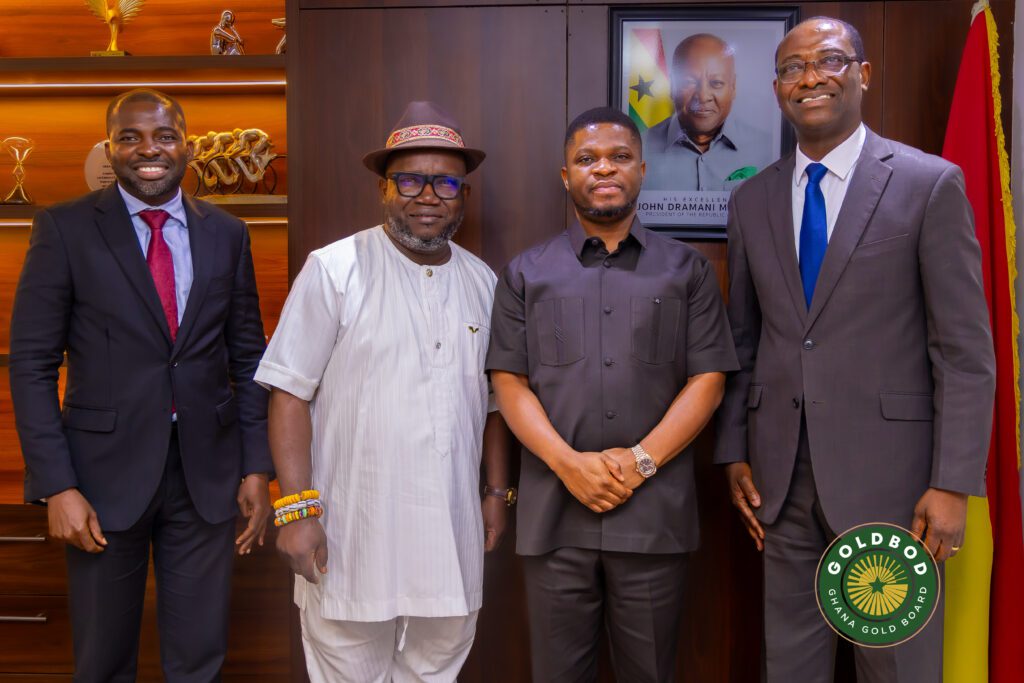
Following briefings by Deputy CEO Richard Nunekpeku, Esq., representatives from ZCCM Investments Holdings highlighted Ghana’s framework as an actionable reference for enhancing small-scale value retention.
Subsequent bilateral exchanges included a July 21, 2026 meeting with a Sudanese delegation led by its Ambassador to Ghana to explore structural replication options.
Most recently, in September 2026, Namibia’s Ministry of Industries, Mines and Energy undertook a comprehensive benchmarking exercise covering statutory mandates, licensing procedures, and sales operations.
Receiving insights from GoldBod’s legal and technical departments, Namibian officials praised the framework for providing “a robust framework from which Namibia could draw valuable lessons” toward regional standardization.
Economic Imperatives Driving Centralised Gold Governance
The widespread interest in GoldBod highlights a major shift across the continent, where governments are moving away from fragmented, under-regulated mineral markets.
Historically, uncoordinated gold trading across Sub-Saharan Africa has led to illicit financial flows, widespread smuggling, and severe tax revenue losses.
Artisanal and small-scale mining sectors, while vital for local livelihoods, often operate outside formal banking channels, exposing resource-rich nations to value leakage and foreign exchange volatility.
By establishing centralized gold boards, African nations aim to secure national foreign exchange reserves through domestic purchase programs, enforce ethical supply chains, and build local refining capacities.
Implementing unified licensing regimes and formal market structures empowers governments to capture fair market value, safeguard mineral wealth, and establish sovereign control over their primary resource sectors.
READ ALSO: Gender Ministry To Establish 16 Shelters, Five Child Protection Bills Advance