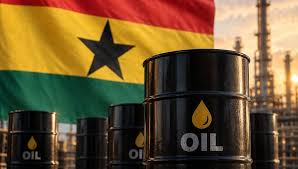
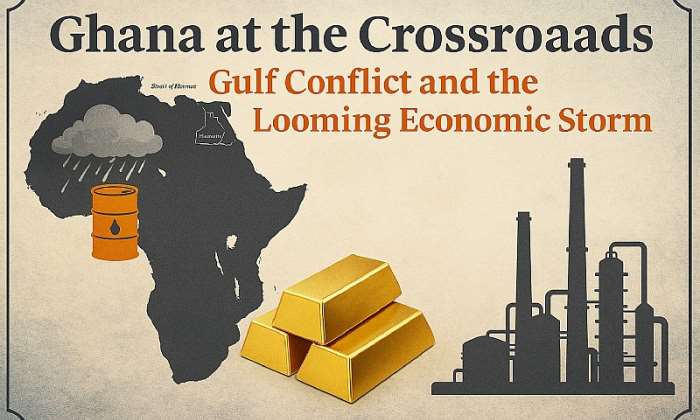
Ghana’s exposure to the international oil market is becoming more pronounced as disruptions around the Strait of Hormuz threaten to tighten global supplies of crude and refined petroleum products, with diesel emerging as a particular concern for an economy heavily dependent on the fuel for transport, industry and productive activity.
Dr Riverson Oppong, Chief Executive of the Chamber of Oil Marketing Companies (COMAC), has warned that the disruption could eventually force Gulf producers to curtail a substantial share of their crude output if they run out of viable avenues to export or store production.
The concern is significant because the consequences of a prolonged supply disruption would extend beyond the price of crude oil.
For petroleum-importing economies such as Ghana, the more immediate challenge could be the availability and cost of finished products, particularly diesel.
“Very soon, the Gulfians are going to reduce crude oil production by 60%. They have no choice because they’re going to produce, they’re not going to have any place to store it because of this shutdown.”
Dr Riverson Oppong, Chief Executive, COMAC
The Supply Chain Is The Bigger Risk
The potential production cuts highlight an important weakness in the global oil system: crude must not only be produced, but also transported, stored and refined before it reaches consumers.
When a major shipping corridor becomes constrained, producers can initially continue pumping while traders attempt to redirect cargoes.
But if alternative routes and storage facilities cannot absorb the displaced volumes, production itself can eventually be affected.

That is where the current situation becomes more consequential for global petroleum markets.
A sustained reduction in Gulf output would remove physical supply from the international market, potentially increasing competition among buyers for crude from other producing regions.
Ghana would then be exposed indirectly even where its importers are sourcing cargoes from outside the Gulf.
The pressure is already extending into refining.
Dr Oppong said Middle Eastern refinery throughput has declined, reducing the region’s ability to produce diesel and other refined products.
“The refinery throughput today in the Middle East has shortened by 110. So it tells you that even diesel production within the Gulf itself has shrunk with the September data we are gathering now.”
Dr Riverson Oppong, Chief Executive, COMAC
For Ghana, this distinction matters. A disruption in crude supply can increase feedstock costs, but a disruption in refinery operations can create a more direct shortage of the products that Ghana actually imports and consumes.
Why Ghana Is Particularly Exposed
Diesel is not simply another petroleum product in Ghana’s energy economy. It is an input into several sectors that keep goods, people and productive assets moving.
Heavy-duty transport, mining, construction, agriculture and industrial operations all rely on diesel.
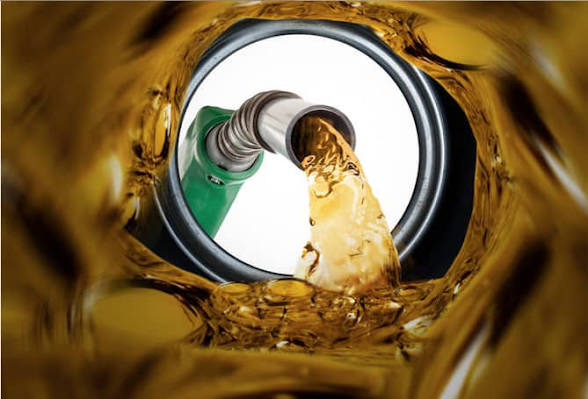
Backup generators also provide an important source of electricity for businesses and institutions when grid supply is unavailable or inadequate.
Consequently, a sustained increase in diesel prices can spread well beyond motorists.
Transport operators face higher fuel bills. Haulage companies incur greater costs moving commodities between production centres, ports and markets.
Farmers and agro-processors face higher transportation and machinery expenses, while mining and construction companies absorb increased operating costs.
These pressures can eventually be reflected in the prices paid by consumers.
This is why an international petroleum disruption can become a domestic inflation issue even when the original shock occurs thousands of kilometres away.
Currency Could Amplify The Shock
Ghana’s exposure also operates through the foreign-exchange market.
Petroleum imports are largely priced in US dollars. A rise in international product prices therefore increases the amount of foreign currency required to maintain existing import volumes.
Higher freight, insurance and risk costs could add another layer to the landed cost of petroleum products.

The impact on Ghana would consequently depend on the interaction between international petroleum prices, shipping conditions and the cedi-dollar exchange rate.
This makes petroleum supply a macroeconomic issue as much as a downstream-sector concern.
Regional Supply Could Become More Important
The disruption also reinforces the strategic value of developing stronger regional petroleum supply chains.
Nigeria’s expanding refining capacity, particularly the role of the Dangote refinery, could give West African petroleum markets an additional source of refined products and reduce reliance on supplies travelling from more distant markets.
It would not insulate Ghana from global oil prices. Crude remains globally traded, and regional refineries are themselves exposed to feedstock costs.
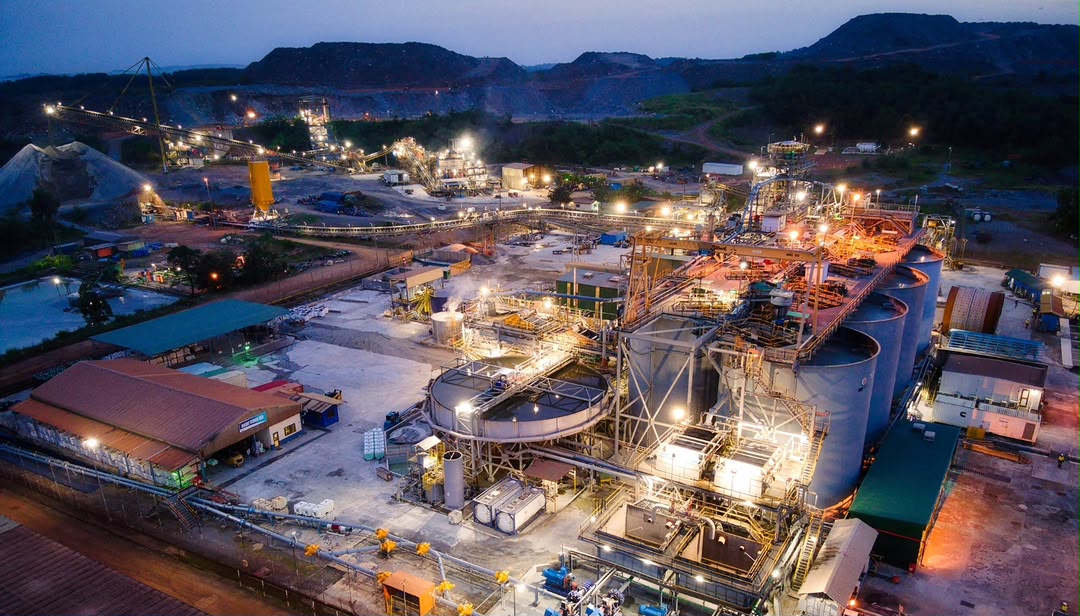
But additional regional refining capacity can provide diversification, an important advantage when conventional international supply routes become disrupted.
For Ghana, the broader issue is therefore resilience.
Preparing Before The Next Shock
The latest warning offers a reminder that petroleum security is not achieved simply by ensuring that fuel is available at filling stations under normal market conditions.
It also requires the ability to withstand disruptions when global supply chains come under pressure.
Adequate storage, diversified sourcing, reliable regional supply relationships and close monitoring of refined-product markets can provide important buffers.
Ghana cannot control events around the Strait of Hormuz. It can, however, reduce the extent to which an external disruption is transmitted into domestic economic activity.
The immediate concern is therefore not simply where crude prices go next.
It is whether a prolonged disruption can tighten the global diesel market enough to raise the cost of a fuel that Ghana’s transport, industrial and productive sectors have limited ability to do without.
For an economy seeking to protect recent gains in inflation and currency stability, that distinction could become increasingly important.
READ ALSO: 24-Hour Economy Unveils Six Strategic Industrial Projects for Private Investors in Ghana