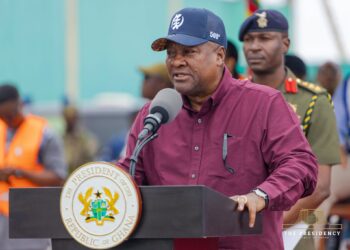
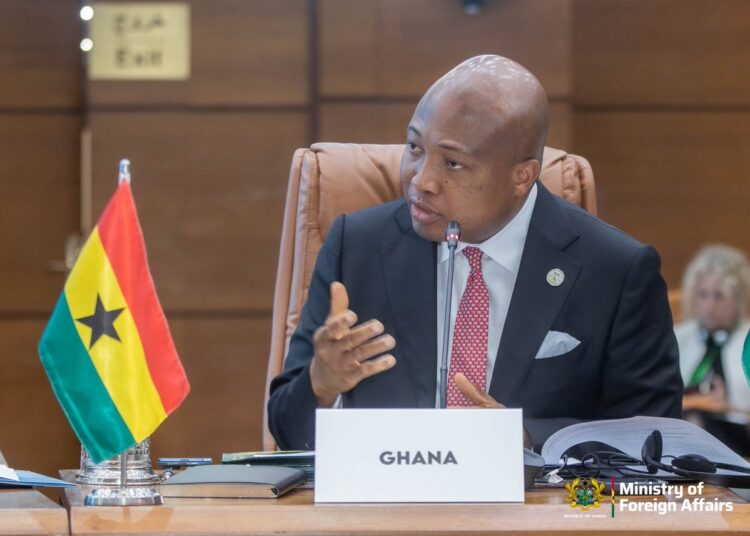
Foreign Affairs Minister Samuel Okudzeto Ablakwa has written to the Auditor-General requesting a special audit of the evacuation of Ghanaians from South Africa and of every evacuation carried out by his Ministry since 2017.
He disclosed the request in a statement setting out additional accountability measures, issued after the Ministry submitted a report of more than 200 pages to the Minority in Parliament on Friday, 18 September 2026.
The move widens the inquiry well beyond the operation currently under political scrutiny, drawing in the 2020 COVID-19 evacuation, the 2022 evacuation from Ukraine and the 2023 evacuation from Sudan. It also shifts the Ministry’s posture from defending its own figures to inviting an independent auditor to test them against the record.
An Audit That Reaches Back Nine Years
The Minister frames the referral as an addition to the disclosures already made rather than a substitute for them, having published the cost of the South Africa exercise before the request went out.
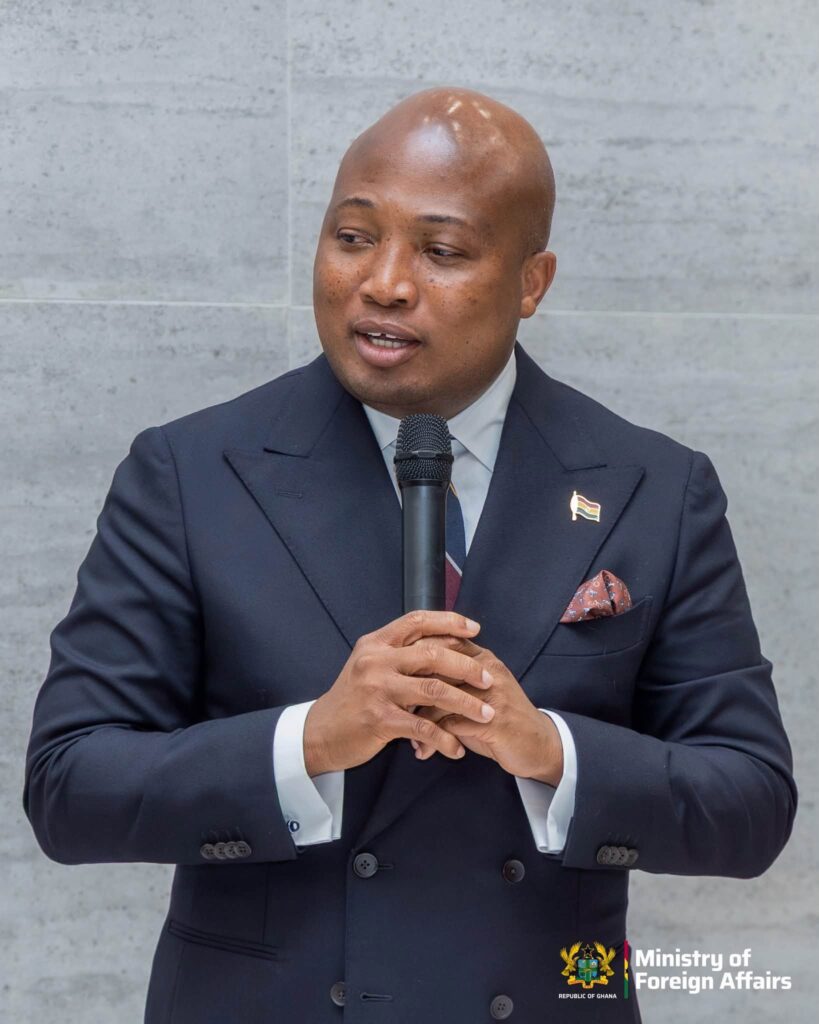
By covering all evacuations since 2017, the scope crosses two administrations and places the current operation alongside earlier ones for comparison. That is a deliberate framing, and it converts a dispute about one set of receipts into a broader examination of how Ghana has funded emergency repatriations over nearly a decade.
The Auditor-General has not publicly indicated when such an audit would begin or how long it would take.
What The 200-Page Report Contains
The submission to the Minority answers a request filed under the Right to Information Act, 2019 (Act 989), which sought an itemised account of expenditure, the sources of funding, the identities of private partners and records covering flights, accommodation, feeding, medical services, procurement and payments.
The Ministry says its response covers all aspects of the evacuations, including a further expenditure breakdown, receipts, and the names and phone contacts of all 1,964 Ghanaians brought home.
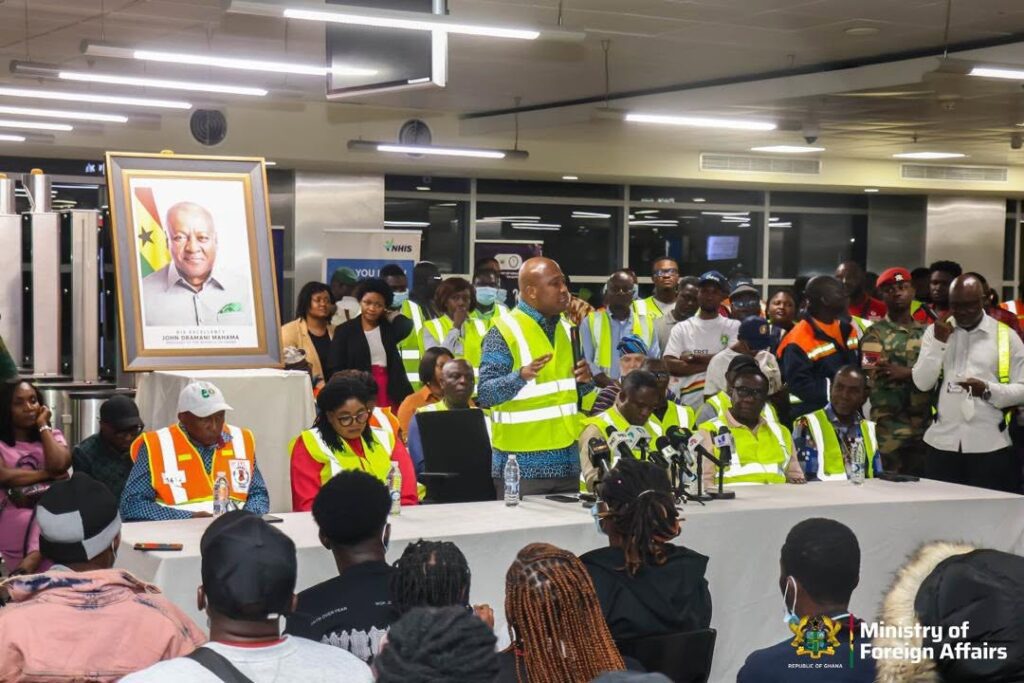
A comprehensive report on the exercise has also gone to Parliament’s Foreign Affairs Committee. The inclusion of personal contact details raises its own question.
Publishing or circulating the names and phone numbers of nearly two thousand citizens who fled xenophobic violence carries data protection implications that sit awkwardly beside the transparency the disclosure is meant to demonstrate, and it is not clear what restrictions attach to the material once it leaves the Ministry.
The Numbers Under Scrutiny
The exercise ran from 27 May to 4 September 2026, following months of xenophobic attacks and intimidation directed at foreign nationals in parts of South Africa, and ended with the arrival of a final group of 41 returnees. It cost GH¢49,721,786 in total, and four Ghanaians lost their lives during the period.
Of that, GH¢38,835,512 went to chartered flights, commercial tickets, ground transportation, feeding, hotel accommodation, medical care and hospitalisation.
A further GH¢10,802,000 covered reintegration and transportation allowances, with each returnee receiving GH¢5,000 for reintegration and GH¢500 for travel, while GH¢84,274 was used to repatriate the remains of two Ghanaians.
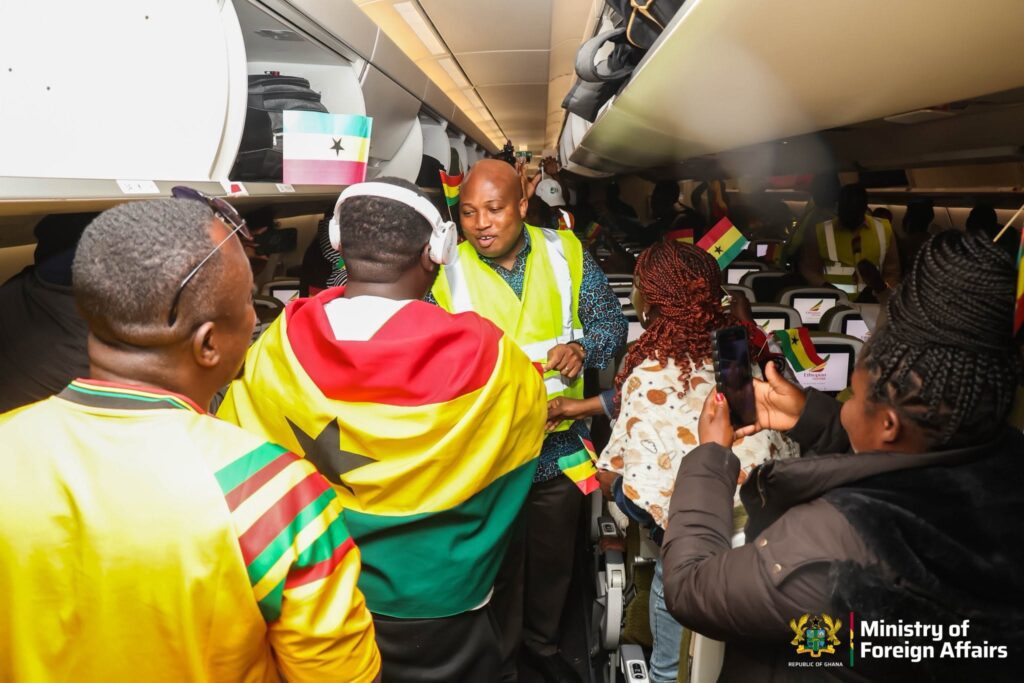
The government funded GH¢33,721,786, with Engineers and Planners, owned by businessman Ibrahim Mahama, contributing GH¢16 million.
The Minority has pressed for documentation capable of supporting those figures, with the Deputy Ranking Member of the Foreign Affairs Committee and Member of Parliament for Bosome-Freho, Nana Asafo-Adjei Ayeh, stating that the caucus is not alleging fraud but is seeking clarification of what it sees as discrepancies between different public accounts of the exercise.
The 2020 Comparison
The Ministry’s statement makes its own argument about value, contending that records show this year’s evacuation ranks among the least costly it has undertaken. The comparison it offers is pointed.
The entire GH¢49.7 million spent on South Africa, the Ministry says, is close to the GH¢44,460,530 spent on quarantine alone during the 2020 evacuation, a period when most Ghanaians were asked to pay for quarantine from their own resources.
The Ministry goes on to describe the South Africa operation as the most transparent exercise of its kind, anchored on integrity and financial prudence.
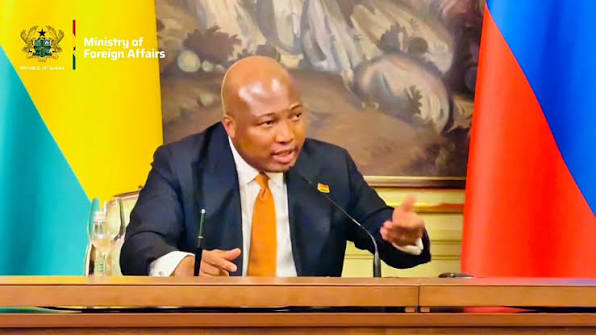
That characterisation is precisely what the requested audit would put to the test, since an assertion of prudence from the spending institution carries less weight than a finding from the constitutional body mandated to examine public accounts.
Whether the referral settles the argument depends on scope and speed. An audit that reports after the political cycle has moved on will not resolve the questions now being asked in Parliament, and the Minority’s demand has been for verification it can examine rather than assurances it is asked to accept.
The Auditor-General’s response will determine which of those the country ends up with.
READ ALSO: US$2bn Jobs Plan Raises 2027 Budget Financing Question