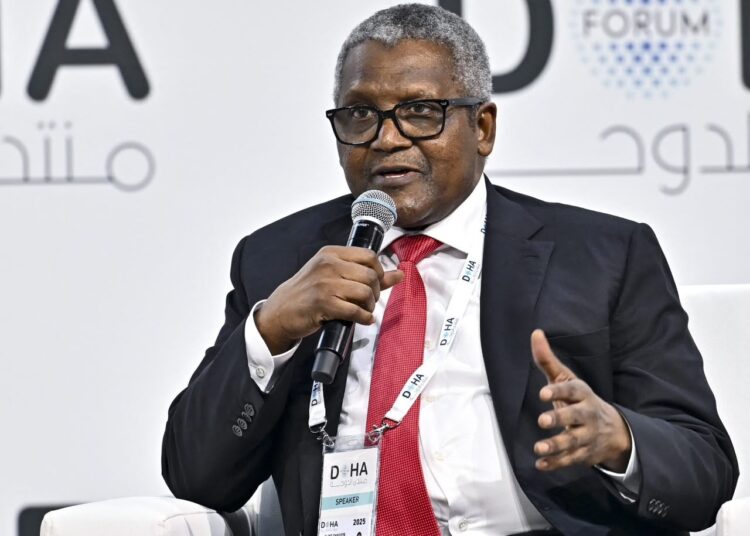
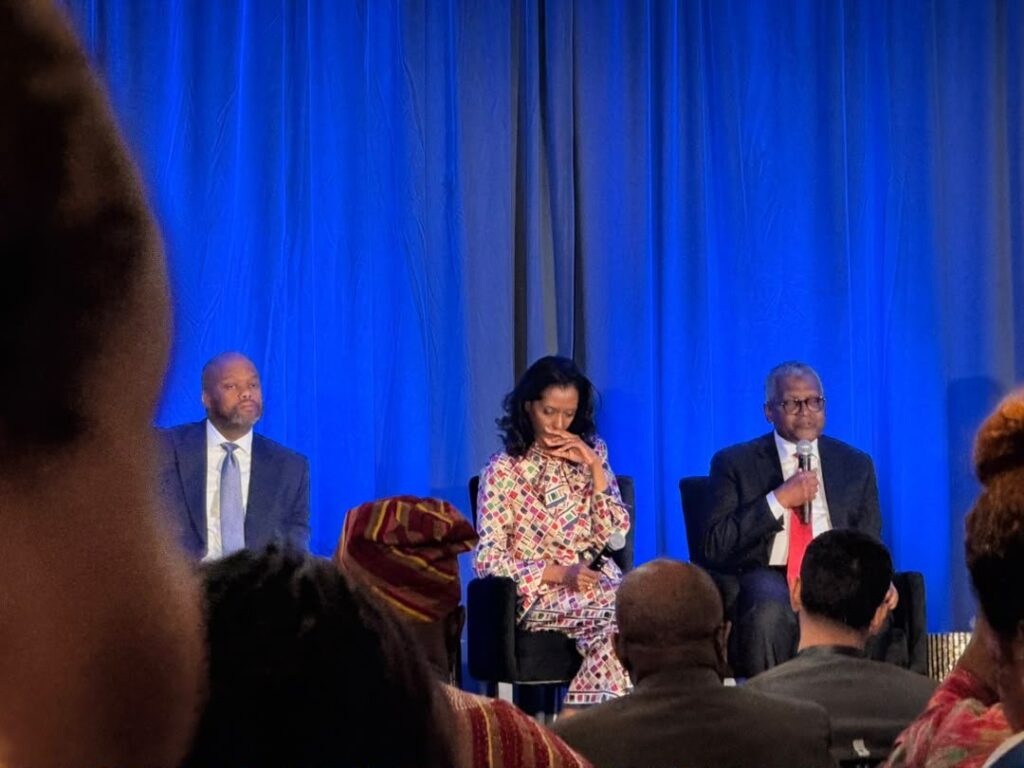
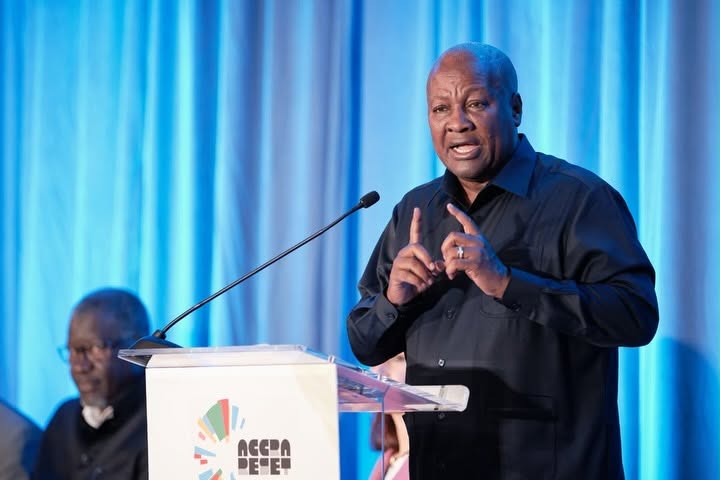
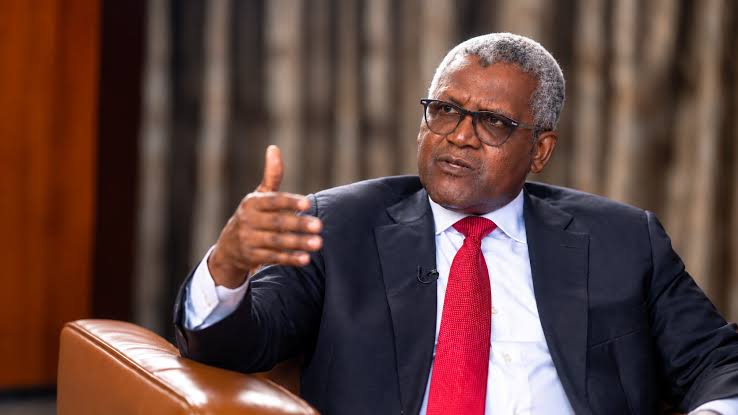
African industrialist Aliko Dangote has put investor confidence at the centre of Ghana’s economic recovery, arguing that “money follows trust.” Speaking at the Accra Reset event on the sidelines of the United Nations General Assembly in New York, Dangote credited President John Dramani Mahama with taking what he described as the right decisions to rebuild confidence in the economy.
His remarks come as Ghana’s headline macroeconomic indicators have strengthened. Real GDP expanded by 6.0 per cent in the second quarter of 2026, annual inflation stood at 5.0 per cent in August, and the Bank of Ghana’s June surveys showed consumer and business confidence broadly stable, with declining lending rates and optimism about growth supporting the outlook.
The macroeconomic indicators confirm a substantial stabilisation, but they do not establish a single cause. The IMF attributes the improvement to sustained reform efforts combined with favourable commodity-price developments, while the fall in inflation has also reflected prudent monetary policy, cedi appreciation and improved food supply.
Confidence Improves as Macro Risks Recede
The IMF’s latest assessment of Ghana says the country has achieved substantial gains in macroeconomic stabilisation and debt sustainability. Inflation has fallen sharply, reserves have been rebuilt, the primary fiscal balance has moved into surplus, and the risk of debt distress has returned to moderate.
That matters for investment because uncertainty carries a price. High inflation, abrupt currency movements and unstable financing costs make future cash flows harder to estimate and increase the return investors demand before committing capital. When those risks recede, projects that previously looked too uncertain can become commercially viable.
Dangote put the point more directly, saying Mahama “didn’t do any magic” but had, in his assessment, taken the right decisions and restored trust. The economic question is whether that confidence is now durable enough to influence actual capital allocation.
Investment Rebound Needs a Quality Test
Ghana recorded US$2.62 billion in confirmed foreign direct investment in 2025, according to the latest national investment report. The report covered 254 registered projects expected to generate 18,748 jobs when fully operational.
The composition matters as much as the headline value. Reinvested earnings played a major role in the 2025 inflows, indicating that the recovery reflected not only new investors entering Ghana but also existing foreign firms retaining earnings and expanding their exposure. That is still an important confidence signal, but it is different from an entirely new wave of greenfield capital.
The real test is therefore whether higher investment translates into additional factories, technology, exports, local supply contracts and employment. Capital inflows strengthen the economy most when they expand productive capacity rather than simply improve the headline investment total.
US$46bn Pipeline Shows the Competition for Capital
Dangote’s own investment plans underline what Ghana is competing for. He said his group has about US$46 billion in its pipeline to invest and expand businesses as it works towards its 2030 vision. He did not say that the US$46 billion is destined for Ghana, and the figure should not be interpreted that way.
Instead, it illustrates the scale of private capital being allocated across African markets. Ghana must compete with other economies on expected returns, infrastructure, energy reliability, logistics, policy consistency and access to regional markets.
That competition is already visible in Ghana. A potential IFC investment pipeline of about US$1.2 billion is under consideration across areas linked to private-sector growth. A pipeline, however, is not the same as committed or disbursed capital. Projects still have to pass appraisal, financing and implementation before their economic effects are realised.
Trust Must Outlast the Political Cycle
Dangote’s argument raises a final distinction between confidence in political leadership and confidence in institutions. Investors may respond positively to a particular government, but long-term capital normally requires rules that remain credible across administrations.
For Ghana, that means preserving fiscal discipline, monetary-policy credibility and debt sustainability while improving the conditions firms face after they invest. Reliable electricity, efficient logistics, predictable taxation, enforceable contracts, transparent regulation and access to skilled labour determine whether confidence survives beyond the initial recovery.
The next evidence will come from outcomes rather than endorsements. Future FDI data, the conversion of announced pipelines into operating projects, the 2027 Budget, the government’s New Economy programme and employment creation will show whether improving confidence is developing into a deeper investment cycle.
Dangote’s phrase captures an important part of how capital moves. Trust can lower perceived risk and encourage investment. Ghana’s harder task is to make that trust institutional, productive and durable enough to generate output, exports and jobs after the immediate recovery narrative has faded.
READ ALSO: 24-Hour Economy Unveils Six Strategic Industrial Projects for Private Investors in Ghana