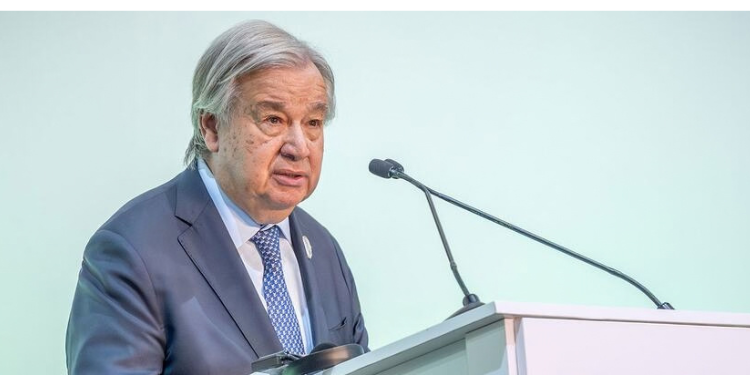
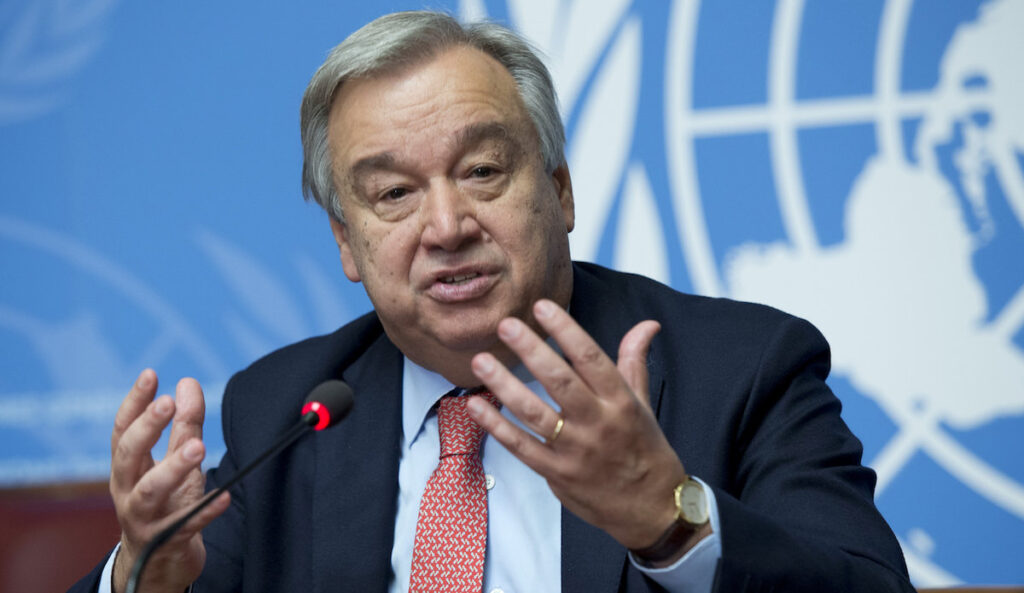
United Nations Secretary-General António Guterres has renewed calls for permanent African representation on the UN Security Council, describing the continent’s continued exclusion from the council’s permanent membership as “unjust and indefensible” as global power relations undergo a profound transformation.
Opening the general debate of the 81st session of the United Nations General Assembly in New York, Guterres placed Africa’s representation at the centre of a broader argument that the international system no longer reflects the realities of the world it is expected to govern.
“A 21st Century Security Council without permanent African seats is unjust and indefensible. This must change.”
António Guterres
The Security Council remains one of the clearest symbols of the imbalance Guterres believes is embedded within the international system. Its five permanent members China, France, Russia, the United Kingdom, and the United States retain veto powers that can prevent council action even when the wider membership supports a measure.
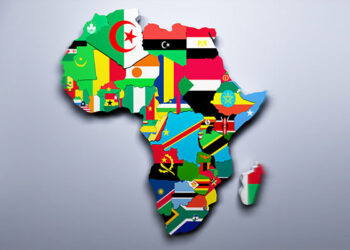
Africa, despite being central to the council’s peace and security agenda and accounting for a substantial share of the conflicts addressed by the UN, has no permanent seat.
Guterres’ intervention therefore connects a longstanding African demand for institutional reform with his wider assessment that global power is moving away from the structures established after the Second World War.
The UN Chief, who is approaching the end of his decade-long tenure, used his final opening speech of the General Assembly’s general debate to examine how power has shifted during his time in office and whether international institutions have adapted quickly enough.
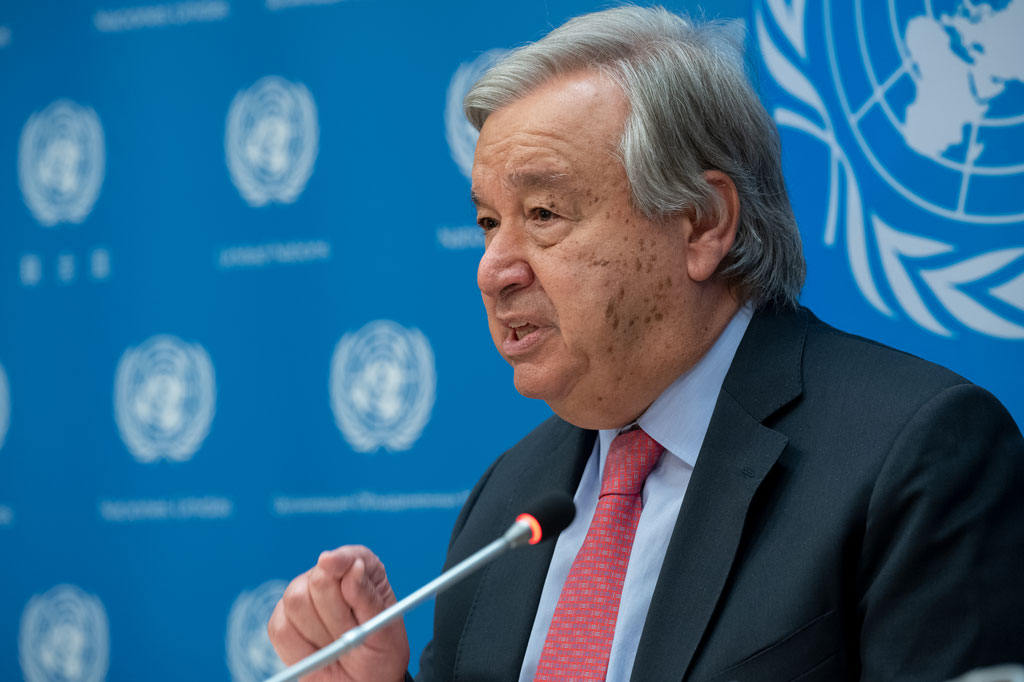
United Nations Secretary-General António Guterres
“The fault lines in our world are widening. Cracks have become canyons. These are not isolated crises, but chapters of the same story, the story of power: who has it, who is denied it, how it is used, and how it is changing.”
António Guterres
The African Union’s common position calls for at least two permanent Security Council seats for Africa, alongside additional non-permanent seats, with the continent retaining the right to determine which countries occupy its permanent positions.
The demand forms part of the wider negotiations on Security Council reform currently taking place within the General Assembly. UN reform discussions have recognised broad support for equitable African representation in a reformed council, while the details of membership, selection and veto rights remain subjects of negotiation.
Africa Seeks Greater Representation in Changing World Order
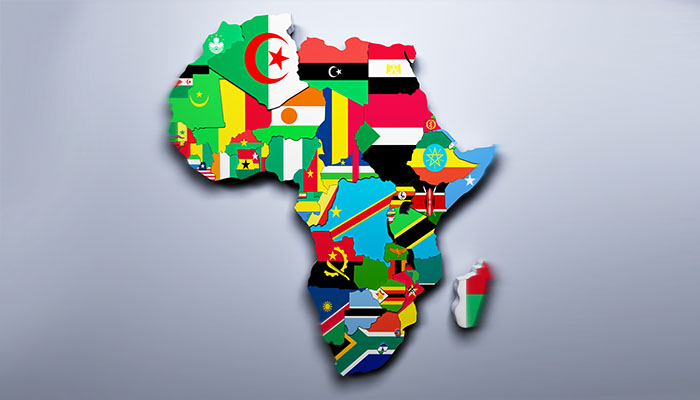
The argument for African representation rests partly on the historical circumstances under which the current Security Council was created.
The United Nations was established in 1945, when much of Africa remained under colonial rule and had little or no direct influence over the design of the international system. Eight decades later, the continent has 54 UN member states and plays a central role in debates over peace, development, climate change, debt and international security.
Guterres has repeatedly linked the absence of permanent African representation to the historical imbalance embedded in the UN system.
Earlier this year, he told African leaders that “This is 2026 – not 1946” while describing the absence of permanent African seats as “indefensible.”
Guterres believes the world is moving towards multiple centres of influence, but he has cautioned that multipolarity could develop along sharply different paths.
One possibility is a fragmented international system characterised by rival blocs, divided markets, technological competition and deepening mistrust.
Another involves multiple centres of power operating within shared rules and international law.
“Military power alone is not enough to consolidate peace. Economic power alone is not enough to ensure stability. And technological power alone is not enough to guarantee security.”
António Guterres
Africa’s exclusion from permanent Security Council membership becomes particularly consequential against this backdrop because many of the international crises confronting the council have direct implications for the continent.
Conflicts in Africa continue to demand international attention, while questions surrounding peacekeeping, humanitarian assistance, development financing and climate vulnerability remain closely connected to decisions made within global institutions.
The continent also faces a wider imbalance in the international financial system. Guterres has criticised arrangements that leave developing countries carrying heavy debt burdens while dealing with climate-related disasters and limited access to development financing.
He has called for faster debt relief, stronger multilateral development banks and fairer access to Special Drawing Rights issued by the International Monetary Fund.
His argument is that inequality should not be understood solely through differences in income. Access to resources, opportunities and decision-making power also determines how countries respond to global shocks.
He added, “Equality is not a dream; it is a decision.”
READ ALSO: Dangote’s ‘Money Follows Trust’ Tests Ghana’s Investment Recovery