
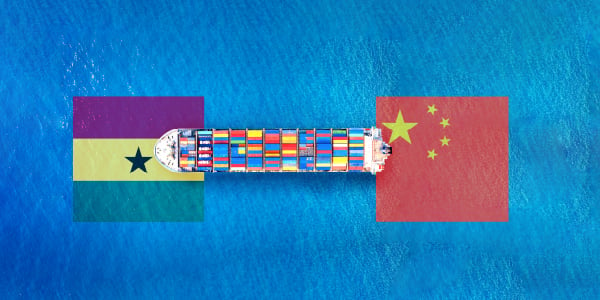
The Bank of Ghana is supporting new payment arrangements that allow Ghanaian importers to fund purchases from China with cedis, reducing the need for businesses to first source US dollars before paying Chinese suppliers.
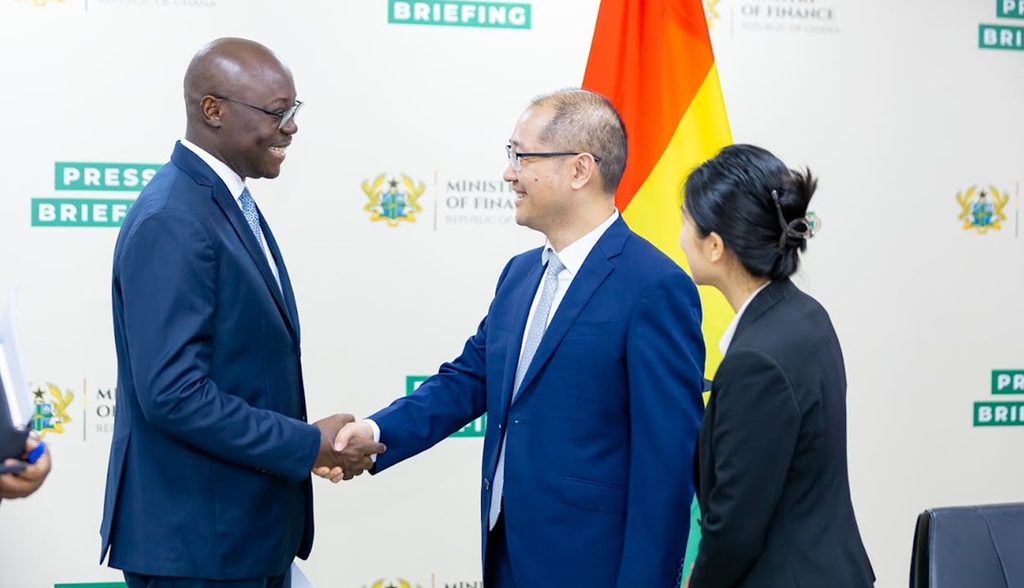
Governor Dr Johnson Pandit Asiama disclosed the development after the Bank’s 132nd Monetary Policy Committee meeting, saying commercial banks had begun working on payment channels that could make Ghana-China transactions more direct. Stanbic Bank is already operating an arrangement for China-related payments, while GCB Bank is working on a similar mechanism.
Explaining the practical effect for importers, Dr Asiama said: “If you want to buy anything from China, just go to Stanbic Bank with your cedis. You are able to do that.” The arrangement does not mean Chinese suppliers receive Ghana cedis. Rather, a customer can fund an eligible transaction from a cedi account, with the China-facing payment settled in renminbi through the banking system.
Stanbic Route Already Links Cedi Accounts to Yuan
Stanbic Bank introduced direct access to China’s Cross-Border Interbank Payment System, known as CIPS, in Ghana in August. The service allows eligible renminbi payments to be initiated from Ghana, including from a cedi account, without requiring the customer to arrange a separate US-dollar payment leg.
The earlier launch of the direct Yuan payment service provided the banking infrastructure behind the model now being highlighted by the central bank. For businesses, the attraction is a more direct route to Chinese counterparties, with fewer intermediary payment steps.
CIPS is authorised by the People’s Bank of China and is designed for cross-border renminbi settlement. Stanbic says eligible payments can be processed through its existing banking channels, while customers provide the normal supporting documentation required for international transactions.
BoG Wants More Banks to Support the Trade Corridor
Dr Asiama said GCB Bank was also developing a similar arrangement as the central bank works with financial institutions to improve payment options for businesses trading with China.
The initiative builds on a policy direction signalled earlier in the year. In January, President John Dramani Mahama proposed a Ghana-China payment and settlement system that could reduce dependence on third-party currencies, while the Ministry of Finance later called for a deeper Ghana-China trade strategy centred on local processing, manufacturing, technology transfer and stronger exports.
China remains Ghana’s largest trading partner, according to the Ministry of Finance, making payment efficiency increasingly important to importers, manufacturers and firms that rely on Chinese machinery, equipment and intermediate goods.
The Ministry of Finance has previously estimated that bilateral trade between Ghana and China surpassed US$11.84 billion in 2024. That scale means even modest improvements in settlement efficiency can matter to businesses making regular payments for machinery, electronics, industrial inputs and consumer goods sourced from China.
Dollar Demand Could Shift at the Transaction Level
For importers, the immediate change is in how the transaction is funded. Instead of independently obtaining US dollars before paying a Chinese supplier, a business can present cedis to a participating bank and have the foreign-currency conversion handled within the payment arrangement.
That does not eliminate Ghana’s need for foreign exchange, because the overseas payment still has to be settled in an accepted international currency. It can, however, reduce the importer’s direct dependence on the dollar as an intermediary currency for eligible China transactions and simplify the payment process.
The distinction matters because Ghana-China trade has traditionally involved multiple payment and correspondent-banking steps. A more direct cedi-to-renminbi route could shorten settlement chains and reduce some conversion and processing frictions, subject to bank pricing, liquidity and regulatory requirements.
China Trade Agenda Extends Beyond Payments
The payment initiative is emerging alongside efforts to expand Ghanaian exports to China. China has been preparing a zero-tariff arrangement for Ghanaian exports, while Ghanaian business groups have called for simpler export procedures so local firms can take advantage of wider market access.
The payment initiative also follows a proposal made by President Mahama in January for a bilateral payment and settlement system that would reduce reliance on third-party currencies. At the time, government linked the idea to efforts to deepen trade ties and lower exchange losses arising when transactions between Ghana and China are routed through another currency.
Dr Asiama said the Bank of Ghana would engage its counterparts in China as the two countries deepen their financial and trade relationship, with the Ministry of Trade also expected to play a role in helping businesses capture emerging opportunities.
The central bank’s support therefore adds a payments layer to a broader Ghana-China economic agenda already spanning trade, investment and industrial cooperation. For Ghanaian importers, the most immediate effect is practical: participating banks can increasingly provide a route from cedi funding to renminbi settlement without requiring the customer to source dollars first.
READ ALSO: GFZA Hosts 26-Member Chinese Delegation Ahead of Investment Summit