The Ghana Health Service (GHS) has moved to dispel misinformation surrounding the Human Papillomavirus (HPV) vaccine, assuring the public that it does not cause infertility, does not stop menstruation and has not caused any deaths among the girls who have received it.
Dr Selorm Kutsoati, Acting Programme Manager for the Expanded Programme on Immunisation at the GHS, made the assurance while announcing an intensified nationwide push to reach girls who were missed during last year’s campaign, and to raise coverage in regions where uptake has lagged.
Dr Kutsoati said the concerns that have circulated widely, including claims of infertility and loss of menstruation, have no basis in the experience of vaccinated girls in Ghana.
He explained that about 1.8 million girls were vaccinated during last year’s campaign, with almost 200,000 more receiving the vaccine outside the campaign period.
“When you take the vaccine, it will not make you infertile, your menses will not stop, and you will not die.”
Dr Selorm Kutsoati, Acting Programme Manager for the Expanded Programme on Immunisation at the GHS
He noted that if any significant number of girls had experienced such effects, the reports would have surfaced quickly in the media, given how swiftly a single voice note can spread. No such reports have emerged, he said, adding that girls in Ghana have taken the vaccine and remain well.

Why The Programme Targets Girls
Responding to questions about why boys are not included, Dr Kutsoati explained that Ghana designed the vaccine programme primarily to prevent cervical cancer, which claims the lives of many women.
He said the disease is often diagnosed late because symptoms appear only at an advanced stage, which also contributes to the stigma surrounding it.
While HPV can cause cancers in males, he said, the programme’s priority is cervical cancer, and Ghana has therefore focused on girls for now. Some countries offer the vaccine to both sexes, and he indicated that Ghana may adopt a gender-neutral approach in future.
He added that vaccinating about 80 percent of girls in a birth cohort produces herd immunity that also offers indirect protection to boys and to girls who did not develop immunity.
He explained that no vaccine is 100 percent effective, but high coverage among girls protects the wider population.
Coverage Below Target
Dr Kutsoati disclosed that about 45 percent of this year’s target has been reached, which falls short of the 47.5 to 50 percent that would normally be expected at the half-year mark. He said the service considers this insufficient.
Significant gaps remain in some parts of the country, particularly in Greater Accra, where coverage is lower than in the Ashanti Region.
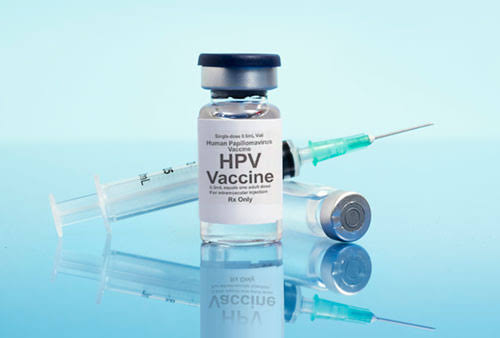
He attributed the shortfall partly to misinformation during the campaign and to logistical challenges, noting that some districts have as many as 100 to 150 schools with limited personnel to reach them all.
Last year’s campaign reached just over 85 percent of its target, leaving about 150,000 girls unvaccinated. Dr Kutsoati said the service aims to reach 100 percent.
Two Rounds of Intensification
To close the gaps, the GHS is conducting two rounds of the Periodic Intensification of Routine Immunisation, with one under way now and another scheduled for November.
He stressed that the HPV vaccine is part of routine immunisation and remains available at all times, rather than being a one-off campaign.
Health teams are visiting schools, communities, churches, mosques and markets, including places where out-of-school girls aged 9 to 14 work, such as head porters known as kayayei. The exercise will also reach girls who turned nine during the period.
On the causes of HPV, Dr Kutsoati said most infections are transmitted through sexual intercourse, particularly early sexual activity and having multiple partners.
He added that alcohol use and smoking have also been associated with higher risk, although sexual transmission remains the main route.
Broad Base of Support
Dr Kutsoati said funding for the exercise comes from Gavi, with support from the Government of Ghana, which also funds the service’s teams.

UNICEF, the World Health Organization (WHO), the Coalition of NGOs in Health, private school owners’ groups, the Ghana Education Service and the Ministry of Health are also backing the effort, providing supportive letters and, in some cases, joining health workers in the field.
As the intensification continues, the GHS is urging parents and guardians to bring eligible girls forward for vaccination, and to rely on verified health information rather than unconfirmed messages circulating online.
READ MORE: Teacher Unions Maintain Strike Until Government Delivers On Demands