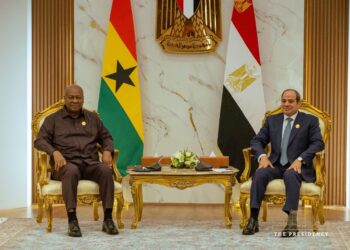
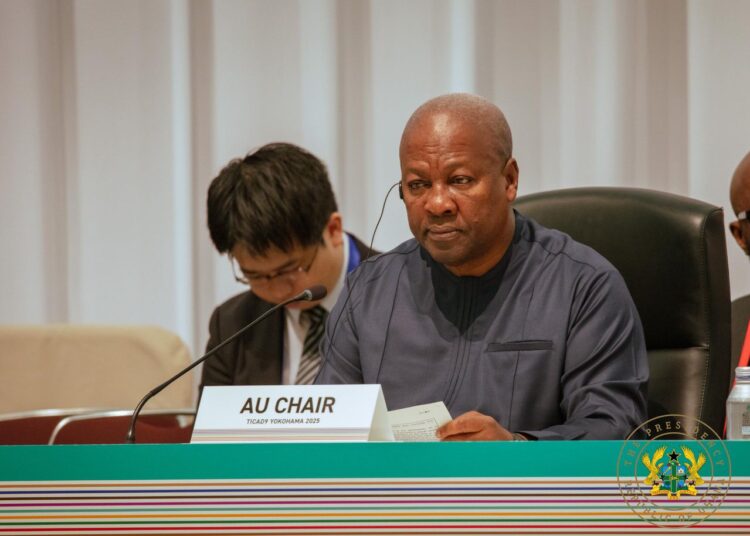
President John Dramani Mahama has granted a presidential pardon to 863 convicted persons as part of commemorations marking Ghana’s 70th Independence Anniversary.
The President exercised the prerogative of mercy on Monday, October 5, 2026, in accordance with Article 72(1) of the 1992 Constitution and following consultation with the Council of State.
The Mahama presidential pardon covers several categories of convicted persons, including first offenders, elderly inmates, seriously ill persons and individuals serving life or death sentences.
The decision forms part of the commemoration of Ghana’s 70th independence milestone, with relevant state institutions directed to take the necessary steps to implement the President’s decision.
Mahama Exercises Constitutional Prerogative of Mercy
The Presidency announced the decision in a statement issued on Monday, October 5, 2026, and signed by Felix Kwakye Ofosu, Spokesperson to the President and Minister for Government Communications.

Under Article 72(1) of the 1992 Constitution, the President exercises the prerogative of mercy in relation to convicted persons. The latest decision follows consultation with the Council of State as required under the constitutional framework.
The Presidency said the pardon was granted specifically in commemoration of Ghana’s 70th Independence Anniversary, linking the exercise to the significance of the national milestone.
“The grant of pardon is made in commemoration of Ghana’s 70th Independence Anniversary, marking this significant milestone in the nation’s history with an act of mercy and national reflection.”
Felix Kwakye Ofosu, Spokesperson to the President and Minister for Government Communications.
The decision therefore combines the constitutional exercise of presidential mercy with the national significance of Ghana’s 70th independence milestone.
First Offenders Receive Majority of Pardons
First offenders make up the largest category among the 863 people covered by the Mahama presidential pardon. A total of 819 first offenders have been granted outright release. This represents the overwhelming majority of beneficiaries under the exercise.
The Presidency also identified people aged 70 years and above as a separate category. Thirteen elderly convicted persons have been granted outright release. Six seriously ill persons have also received outright release, extending the measure to convicted persons facing serious health challenges.
Together, the three categories account for 838 of the 863 beneficiaries. The Presidency’s breakdown shows that the remaining beneficiaries fall under different forms of relief, including sentence commutations, petitions and special recommendations.
Death and Life Sentences Commuted
The presidential decision also affects convicted persons serving death and life sentences. Eleven death sentences have been commuted to life sentences under the exercise of the prerogative of mercy.
Six persons serving life sentences will also have their sentences commuted to 20 years definite. The measures provide different forms of relief depending on the circumstances and sentences of the beneficiaries.
The Presidency did not provide details of the individual offences or cases involved, instead presenting the beneficiaries according to the categories covered by the decision. In a running reference to the decision, the Presidency said the President had acted in accordance with Article 72(1) and after consultation with the Council of State.
Special Recommendations and Petitions
The presidential pardon also covers individuals considered under special recommendations and petitions. Two persons have been granted outright release under the special recommendation category, while three beneficiaries were considered under petitions.
Another three persons were listed under the category of “Others.” These additional categories bring the total number of beneficiaries to 863.

The distribution includes 819 first offenders, 13 persons aged 70 years and above, 11 death sentences commuted to life, six seriously ill persons released, six life sentences commuted to 20 years definite, two special recommendations, three petitions and three others.
The figures demonstrate the range of measures included in the President’s decision, from outright releases to sentence reductions.
State Institutions Directed to Implement Pardon
Following the President’s decision, relevant state institutions, including the Ghana Prison Service, have been directed to take the necessary steps to give effect to the pardon. This includes implementing the outright releases and sentence commutations specified in the presidential directive.
The Presidency did not announce a separate timetable for implementation but confirmed that the relevant institutions had been instructed to act on the decision.
For beneficiaries granted outright release, the directive provides relief from their existing sentences once the necessary procedures are completed. Those whose sentences have been commuted will instead serve the new terms specified under the President’s decision.
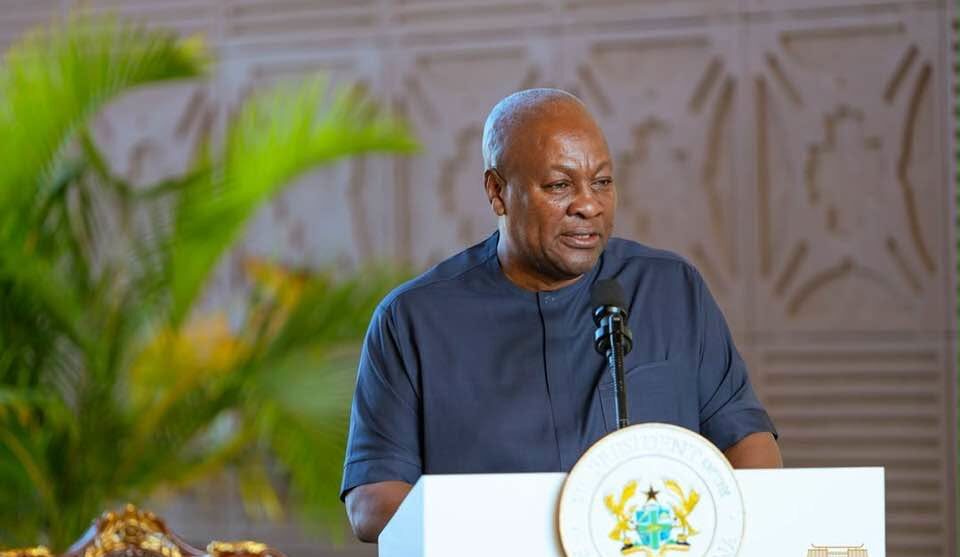
The exercise places the constitutional prerogative of mercy at the centre of this aspect of Ghana’s 70th Independence Anniversary celebrations. President Mahama’s decision covers first offenders, elderly persons, seriously ill inmates and people serving death or life sentences, alongside individuals considered through petitions and special recommendations.
The Presidency has presented the measure as an act of mercy and national reflection as Ghana marks seven decades of independence. With relevant state institutions now tasked with implementing the directive, the 863 beneficiaries are expected to receive the forms of relief specified under the President’s exercise of the prerogative of mercy.
READ ALSO: COCOBOD Raises GH¢3.39bn in First Domestic Cocoa Financing Tranche