The Ghana Association of University Administrators (GAUA) says nearly two months of engagement with government have failed to produce a meaningful resolution to the issues underpinning its industrial action.
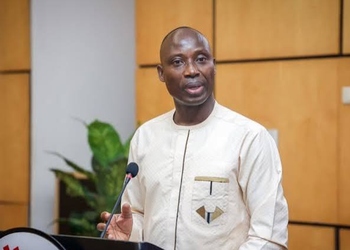
General Secretary of GAUA, Charles Kojo Aidoo, explained that while discussions have continued with the Fair Wages and Salaries Commission, the association remains without a settlement on its outstanding demands.

Speaking on the ongoing negotiations, Mr Aidoo indicated that GAUA’s leadership has received word from Vice-Chancellors that a fresh engagement would be held after their discussions with the FWSC. He noted that the proposed meeting is intended to give members an update on the latest developments before the association determines its next steps.
Mr Aidoo disclosed that the emergency engagement with the Vice-Chancellors is scheduled to take place via Zoom, with the meeting expected to provide an opportunity for GAUA to assess what has emerged from the university leaders’ discussions with the FWSC. He therefore declined to pre-empt the outcome before members receive the details.
Turning to the association’s engagement with the Education Ministry, the General Secretary credited the Minister for Education, Haruna Iddrisu, with actively supporting efforts to resolve the dispute. He added that the Education Minister has shown great concern for the educational landscape.
Describing the Minister’s involvement, Mr Aidoo characterised his approach as “very supportive and forceful”, while stressing that the Education Minister has demonstrated a strong commitment to tertiary education.
“But the final say doesn’t rest with the Minister for Education. And that is the challenge that we have. The Minister for Education is doing his best.”
Charles Kojo Aidoo
The General Secretary further indicated that the association has submitted its position paper to the FWSC on the allowance-related matter and is awaiting movement on the issue. He clarified that the disputed payment does not constitute a newly introduced allowance, but is an entitlement GAUA has pursued for several years.
According to Mr Aidoo, the association has been pursuing the allowance issue for about six years, despite government being aware of the financial implications involved. He explained that GAUA has undertaken its own calculations and submitted the figures, after which the parties established that the amount was not sufficiently large to account for the prolonged delay.
Meanwhile, the prolonged dispute has continued to affect administrative operations across public universities. Current reports indicate that students at the University of Ghana are facing difficulties with registration and other administrative processes as the industrial action continues.

Mr Aidoo acknowledged the disruption caused by the action but emphasised that GAUA is awaiting substantive movement from the institutions involved. He expressed hope that the emergency engagement and continuing discussions would create an avenue for the outstanding matters to receive concrete attention.
GAUA Demands Fair Retirement and Career Progression Rules
The Ghana Association of University Administrators (GAUA) is demanding changes to retirement and career progression arrangements that General Secretary Charles Kojo Aidoo says have created difficulties for senior professionals within Ghana’s public universities.
Mr Aidoo emphasised that the association’s industrial action extends beyond remuneration, with several long-standing administrative and employment conditions requiring attention.
Addressing the retirement arrangement, the General Secretary explained that university staff traditionally retire at the end of the academic year, allowing institutions to complete their academic and administrative cycles without abruptly losing senior officers in the middle of critical assignments. He added that enforcing retirement immediately when an employee turns 60 could create operational difficulties for university departments.
Using admissions as an example, Mr Aidoo noted that an officer responsible for admitting students could reach the mandatory retirement age while overseeing an ongoing admissions process. He explained that such an arrangement means that an administrator “would have to pause everything and the university comes to a standstill.”
Turning to career progression, Mr Aidoo raised concerns about what GAUA refers to as the “fifth year” arrangement affecting officers who occupy senior administrative positions. He explained that professionals who rise to positions such as registrar, director of finance or director of health services can be required to return to a lower grade after completing their tenure.
According to the General Secretary, the arrangement can affect both pension calculations and institutional authority. He questioned the rationale for moving a registrar who has attained the highest administrative level back to a lower grade after completing a statutory term.
Explaining the implications, Mr Aidoo pointed to a situation where a registrar serving at level 25 could return to level 24 after completing the tenure. He argued that the resulting change has consequences for the individual’s retirement benefits while also creating questions about the recognition attached to previous responsibilities.
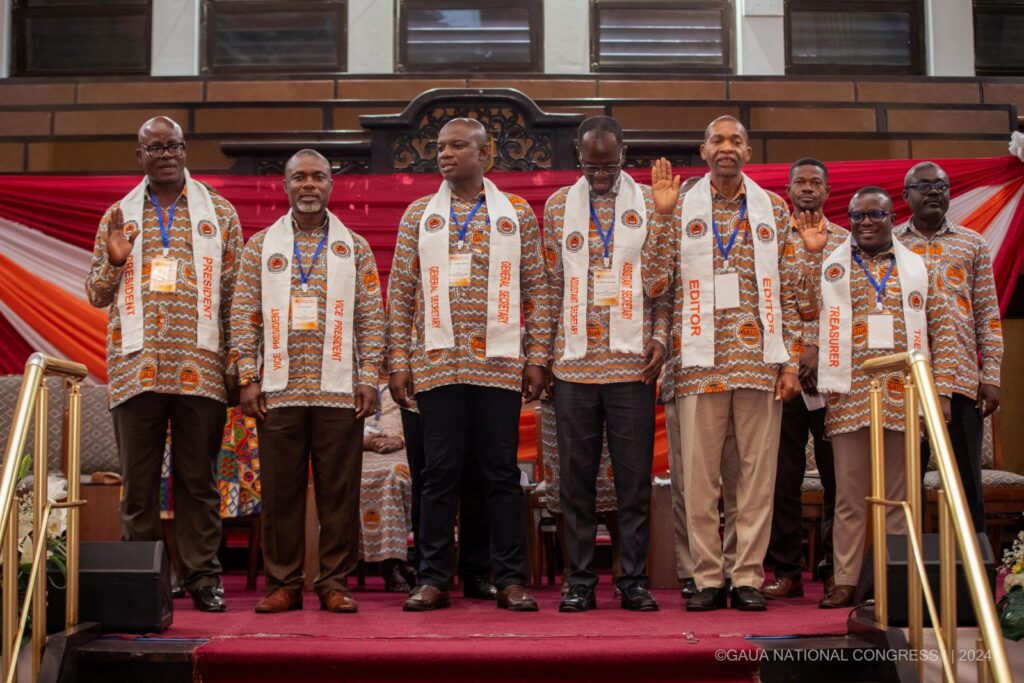
Furthermore, the General Secretary stressed that GAUA represents a wide range of highly trained professionals working within public universities. Its membership includes medical doctors, lawyers, engineers, architects, chartered accountants, auditors, human resource specialists and senior managers.
Emphasising the professional standing of its members, Mr Aidoo rejected what he considers unequal treatment within the university system. He described the issue as an “unfair treatment of professionals” who have undergone rigorous academic and professional training before serving in senior university positions.
READ ALSO: COMAC, Anasset Explore Deeper LPG Sector Collaboration