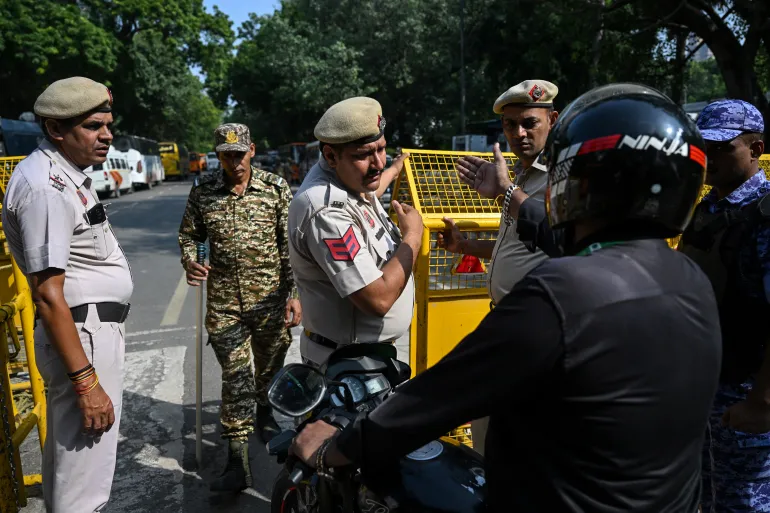
Indian police have detained leaders of the youth-led Cockroach Janta Party (CJP) after they defied restrictions and entered a prominent protest site in New Delhi to demand the resignation of Chief Election Commissioner Gyanesh Kumar over revisions to voter lists.
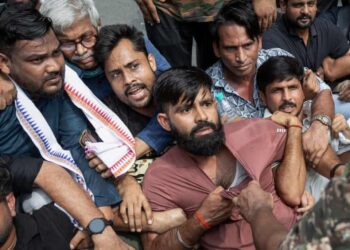
CJP leaders Ashutosh Ranka, Saurav Das and Ajinkya Shinde were among approximately 20 volunteers who entered Jantar Mantar today, jumping barricades in an attempt to reclaim the site for demonstrations. The protesters were subsequently taken into custody.

The detentions followed an announcement by Delhi Police on Monday that Jantar Mantar, an open-air astronomical observatory widely used for public demonstrations, would no longer be designated an official protest venue. Authorities said that three alternative locations had been identified for demonstrations.
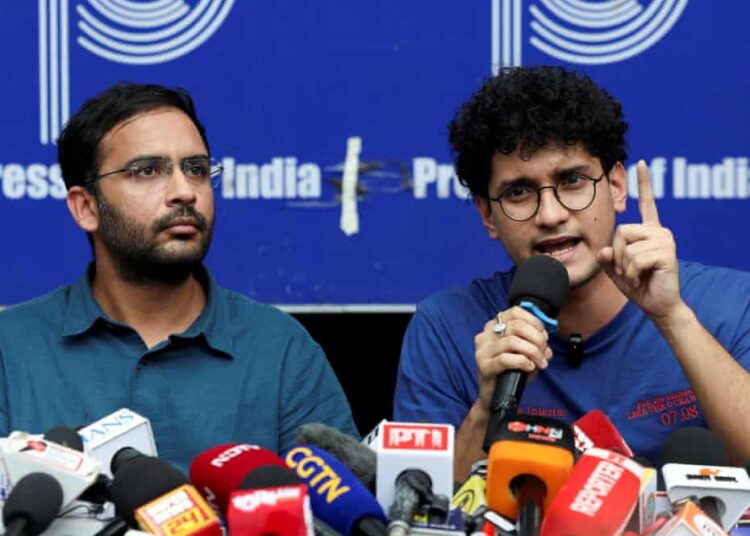
Despite the restrictions, CJP leaders and supporters proceeded with their planned action, insisting that the decision would not stop their campaign. “You cannot denotify the resistance,” CJP Founder Abhijeet Dipke wrote on X following the detentions.
In an earlier post, Dipke argued that removing Jantar Mantar’s official protest status would not end public demonstrations.
“If Modi thinks taking away Jantar Mantar will put an end to protests, he is mistaken. Jantar Mantar is not just a location but a spirit of resistance that nobody can ever take away.”
Abhijeet Dipke
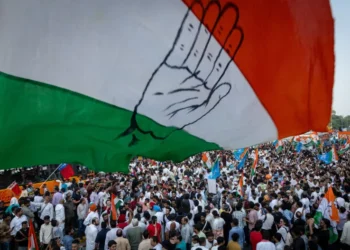
The latest arrests come amid sustained demonstrations by CJP supporters and opposition parties, who have been protesting almost daily this month over changes to electoral rolls and demanding Kumar’s resignation.
The controversy centres on revisions to India’s voter lists, which critics allege could disadvantage voters and favour Prime Minister Narendra Modi’s Bharatiya Janata Party (BJP).
The Election Commission has rejected allegations that the changes benefit any political party, maintaining that its revisions are not intended to favour particular political interests. It has also said voters whose names were wrongly removed can re-enrol.
The dispute has nevertheless fuelled protests, with demonstrators raising concerns about the protection of voting rights and the fairness of the electoral process.
Detentions Follow Monday’s March
Thousands of people joined a protest march on Monday after a police clampdown disrupted CJP’s plans for a weekend demonstration. Authorities had also detained thousands of protesters over the weekend, including leaders of the youth-led movement.
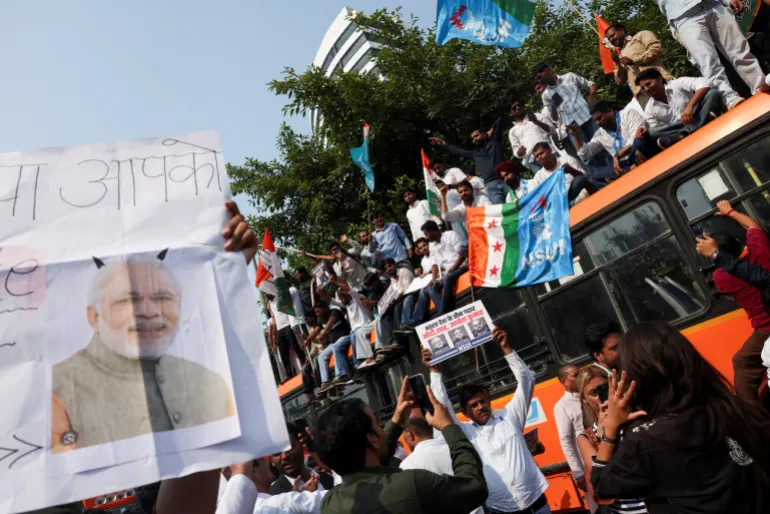
The latest action at Jantar Mantar represents another confrontation between demonstrators and authorities over access to public spaces for political expression.
For the CJP, the site’s significance extends beyond its formal designation as a protest venue. Dipke’s remarks framed Jantar Mantar as a symbol of resistance, suggesting that administrative restrictions would not extinguish the movement’s determination to continue campaigning.
The youth-led group has organised demonstrations in recent months over several issues, emerging as a prominent source of opposition to the BJP and Modi, who has been in power for 12 years.
The ongoing protests have also brought renewed attention to the role of election authorities in maintaining public confidence in India’s electoral system. While protesters are calling for Kumar to step down, the Election Commission has defended its approach to voter registration and denied allegations of political favouritism.
Human Rights Watch Raises Arrest Concerns
The detentions have drawn criticism from Human Rights Watch (HRW), which has called on the Indian government to end what it described as the arbitrary arrest and ill-treatment of protesters and to allow peaceful demonstrations.
Elaine Pearson, HRW’s Asia Director, said the government should engage with young demonstrators over their concerns rather than detain them. “The Modi government should stop throwing young protesters in jail and instead engage with them to address concerns over the right to vote and fairness of elections,” Pearson said in a statement.
She also stressed the importance of protecting peaceful assembly and freedom of expression. “Peaceful protest and freedom of expression are fundamental rights protected under the international human rights law that India’s leaders claim to uphold,” she added.
HRW’s intervention adds a human rights dimension to the dispute, as questions surrounding electoral roll revisions have coincided with restrictions on demonstrations and mass detentions.
The developments leave the government facing continued criticism from protesters and rights advocates, while election officials maintain that the voter list revisions do not favour any political party.
With CJP and opposition groups continuing to challenge the changes, the dispute over voter registration, access to protest venues and the conduct of election authorities remains a source of political tension in India.
READ ALSO: Qatar’s Emir Vows Economic Resilience Amid Regional Crisis