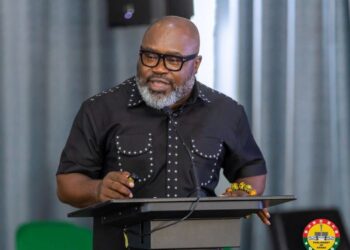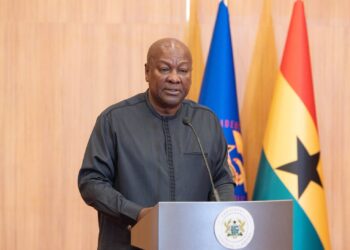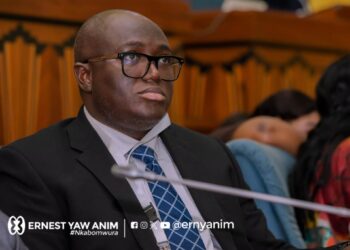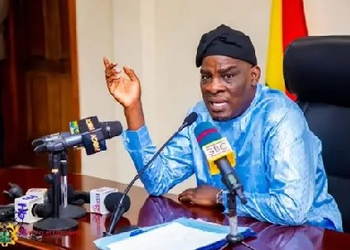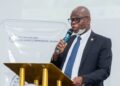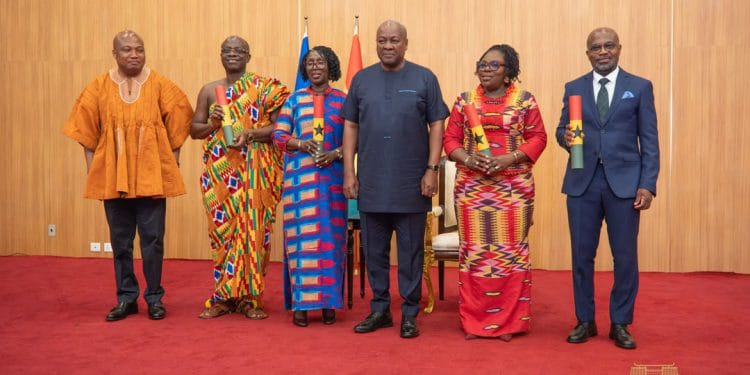
President John Dramani Mahama has charged four newly commissioned ambassadors to represent Ghana’s best interests and to turn their postings into opportunities for Ghanaians.
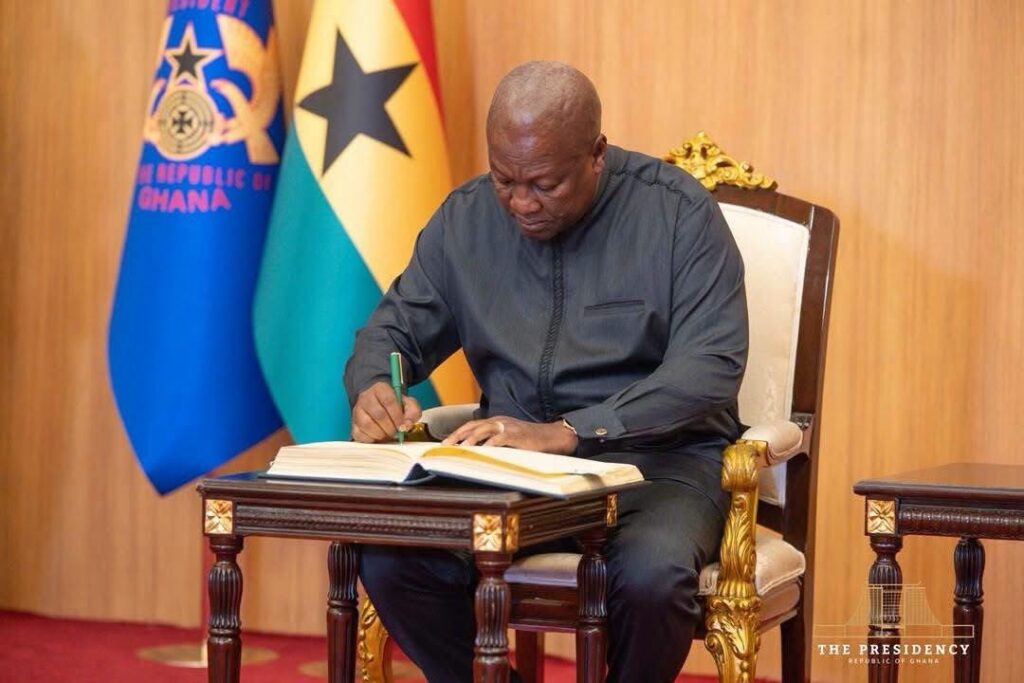
He spoke at the commissioning ceremony at the Presidency, Jubilee House, on Friday, October 16, 2026. The envoys will serve in Angola, Qatar and Israel, and at the United Nations Office and other international organisations in Geneva.
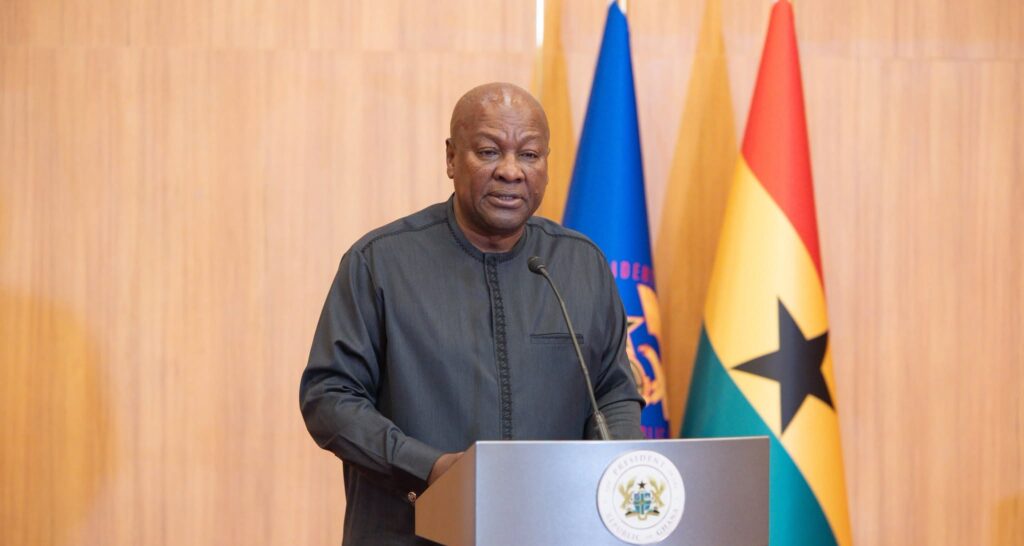
President Mahama explained that shifting alliances, multiplying trade restrictions and fierce competition over technology and natural resources demand that Ghana engage the world with confidence and a clear grasp of its own interests.
“Your work must help create opportunities for the Ghanaian people, protect our citizens abroad and ensure that Ghana’s voice carries weight in the decisions that are made on the global stage that will affect our future.”
President John Dramani Mahama
A Mandate Beyond Official Relations
President Mahama described the four as experienced career diplomats and stated that their selection reflects confidence in their competence, experience and judgement. Foreign Affairs Minister Samuel Okudzeto Ablakwa and senior government officials attended.
He tied their work to the RESET agenda. In health, it means building the capacity to meet Ghana’s own needs. In natural resources, it means securing fair returns and retaining more of the value created.
In development partnerships, it means defining Ghana’s own priorities. President Mahama expects each envoy to “translate these ambitions into the daily work of your missions.”
Economic Diplomacy as the Yardstick
The President linked the missions to his economic programme, naming the 24-hour economy policy, the Big Push infrastructure programme, Free Primary Health Care and the MahamaCares programme.
Ambassadors, he explained, must identify investors whose interests match Ghana’s priorities, help Ghanaian businesses enter new markets and build ties with institutions that support skills development, research and technology transfer.
He pointed to the Ghana Gold Board and the push for local processing of lithium, bauxite and manganese as proof of Ghana’s resolve to keep more value at home. The envoys must attract the investment and expertise to turn those resources into productive industries.
“Judge the success of your economic diplomacy by the opportunities you are able to bring to Ghana.” President Mahama told them to follow through on agreements and investment proposals, to spot obstacles early and to work with the parent ministry to clear them.
Serving Citizens and the Diaspora
President Mahama insisted that every mission treat Ghanaians abroad with respect. He wants each one to be “an office that listens, that responds, and treats them with respect.” Consular services must be accessible and efficient, and help for citizens in distress ranks among the top priorities.
He recalled that he declared the diaspora the 17th region of Ghana last December. That recognition, he stated, must shape how missions engage compatriots abroad and make it easier for them to contribute skills, investments and experience to national development.
Specific Charges for Each Post
For Angola, President Mahama cited long-standing bonds of friendship and solidarity. He expects the ambassador to expand trade and investment and to work toward the 7th session of the Ghana-Angola Permanent Joint Commission for Cooperation in 2027.
Cooperation matters further because Ghana prepares to assume the chairmanship of the African Union in 2027. He also asked the envoy to keep international attention on reparatory justice.
For Qatar, President Mahama stressed the Labour Mobility Agreement. Safeguards for the rights, welfare and working conditions of Ghanaian workers must accompany jobs, and the ambassador must raise concerns promptly.
He also named the Joint Committee on Manpower Regulation and the Memorandum of Understanding on Military Cooperation as outstanding agreements. For Israel, he pointed to cooperation in agricultural technology, health, water management and education.
The ambassador must advance talks on the proposed Labour Mobility Agreement while protecting the rights of health professionals and accounting for Ghana’s own workforce needs. He also asked for active oversight of Ghanaian interns under the MASHAF programme.
On Palestine, President Mahama restated that Ghana recognises the sovereign state of Palestine and supports a viable two-state solution. For Geneva, he noted Ghana’s re-election to the Human Rights Council for 2027 to 2029, commended Hon. Ablakwa’s campaign, and charged the permanent representative to build coalitions and advance the Accra Reset agenda on health sovereignty.
Accountability and Conduct
President Mahama reminded the envoys that they serve one country and one government. They must work within established policy, coordinate closely with the ministry and give timely, reliable advice.
Their key performance indicators, he stated, provide a framework for accountability, and he told them to use public resources responsibly. He also cited Article 40 of the Constitution as their guide.
His earlier addresses carried similar warnings. He tasked new envoys in February to champion the RESET agenda, after commissioning ambassadors in October 2025 and again in November.
On Friday, he asked the four to lead their staff with fairness and respect and to protect the integrity of their offices. “Let your conduct reflect the dignity of the Republic of Ghana,” he urged, before wishing them the support of government and praying for God’s guidance in their duties.
READ ALSO: Ghana Gas Considers Drone Surveillance to Protect Pipelines