The Association of Ghana Industries (AGI) and the Ghana National Petroleum Corporation (GNPC) are seeking to strengthen links between domestic businesses and the upstream petroleum industry, with discussions focused on procurement access, supplier qualification and opportunities for technical collaboration.
The two institutions met on Monday, October 26, 2026, to explore practical ways of connecting the operational requirements of Ghana’s national oil company with the capabilities of local manufacturers, service providers and other businesses represented by AGI.
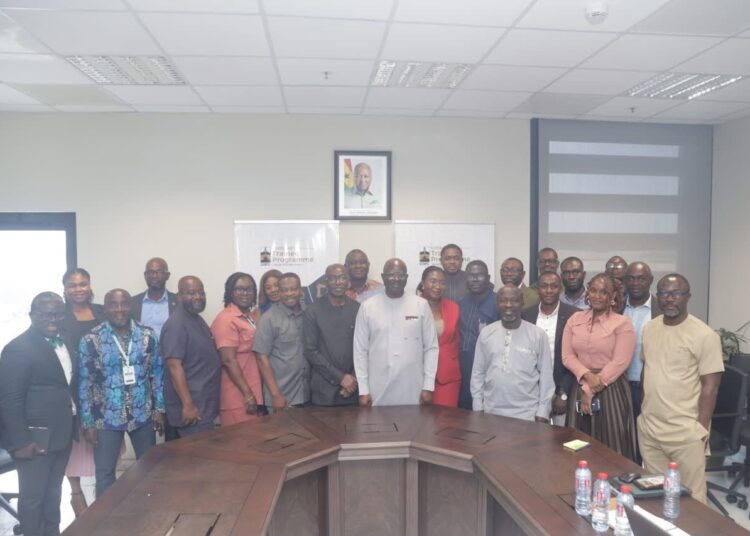
The engagement brought together AGI President Pharm. Kofi Nsiah-Poku, Chief Executive Officer Seth Twum-Akwaboah and senior executives of the association, alongside GNPC Chief Executive Kwame Ntow Amoah and his team.
The discussions centred on information sharing, procurement and tender opportunities, local content compliance, supplier registration and certification.
These areas are important to determining whether Ghanaian companies can identify relevant contracts, satisfy qualification requirements and compete for business in the upstream petroleum value chain.
Procurement Access At The Centre Of Discussions
A key issue emerging from the engagement is how to make information about GNPC’s operational needs more accessible to businesses capable of supplying goods and services to the petroleum sector.
For local companies, participation in the upstream industry depends not only on their technical and financial capacity but also on whether they receive timely information about upcoming procurement opportunities and understand the requirements for qualifying as suppliers.
The meeting therefore sought to connect GNPC’s operational demands with the capabilities available among AGI’s membership. Such coordination could help businesses identify areas where they can contribute, pursue relevant certifications and explore technical partnerships.
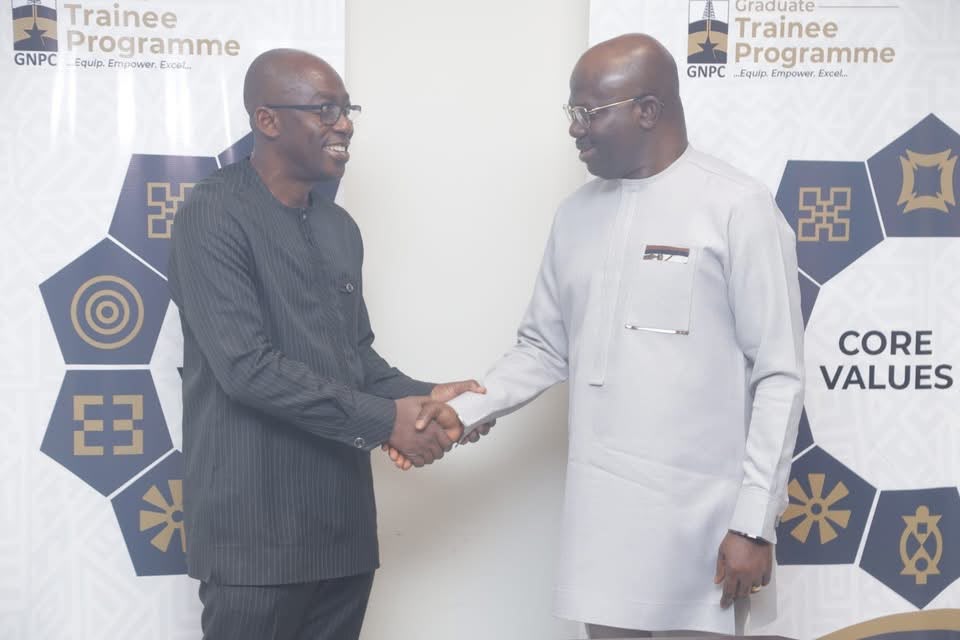
AGI President Kofi Nsiah-Poku welcomed the engagement as an opportunity to identify specific areas for member participation, technical cooperation and resource sharing.
The focus on practical participation places the discussion beyond a general commitment to local industrial development. The challenge is to identify where domestic companies can meet the requirements of petroleum operations and what steps may be needed to bridge any gaps.
GNPC Emphasises Engagement With Local Businesses
GNPC Chief Executive Kwame Ntow Amoah highlighted the importance of closer engagement with Ghanaian businesses, pointing to information sharing as a means of identifying opportunities for qualified local companies within the upstream petroleum value chain.

Improved communication could help businesses better understand GNPC’s needs and prepare for opportunities that match their capabilities.
It could also provide a basis for identifying areas where companies may require additional certification, technical partnerships or other support to meet industry requirements.
However, access to information alone does not guarantee that local firms will secure contracts. Supplier readiness, compliance with procurement conditions, technical standards, pricing and the ability to deliver remain important considerations in competing for upstream business.
The significance of the engagement will therefore depend on whether the discussions lead to clearer procurement information, more effective supplier engagement and identifiable opportunities for capable Ghanaian companies.
Joint Platform Proposed To Drive Implementation
One of the key outcomes was a proposal by AGI Chief Executive Seth Twum-Akwaboah for a dedicated platform to facilitate timely information sharing between the two institutions.
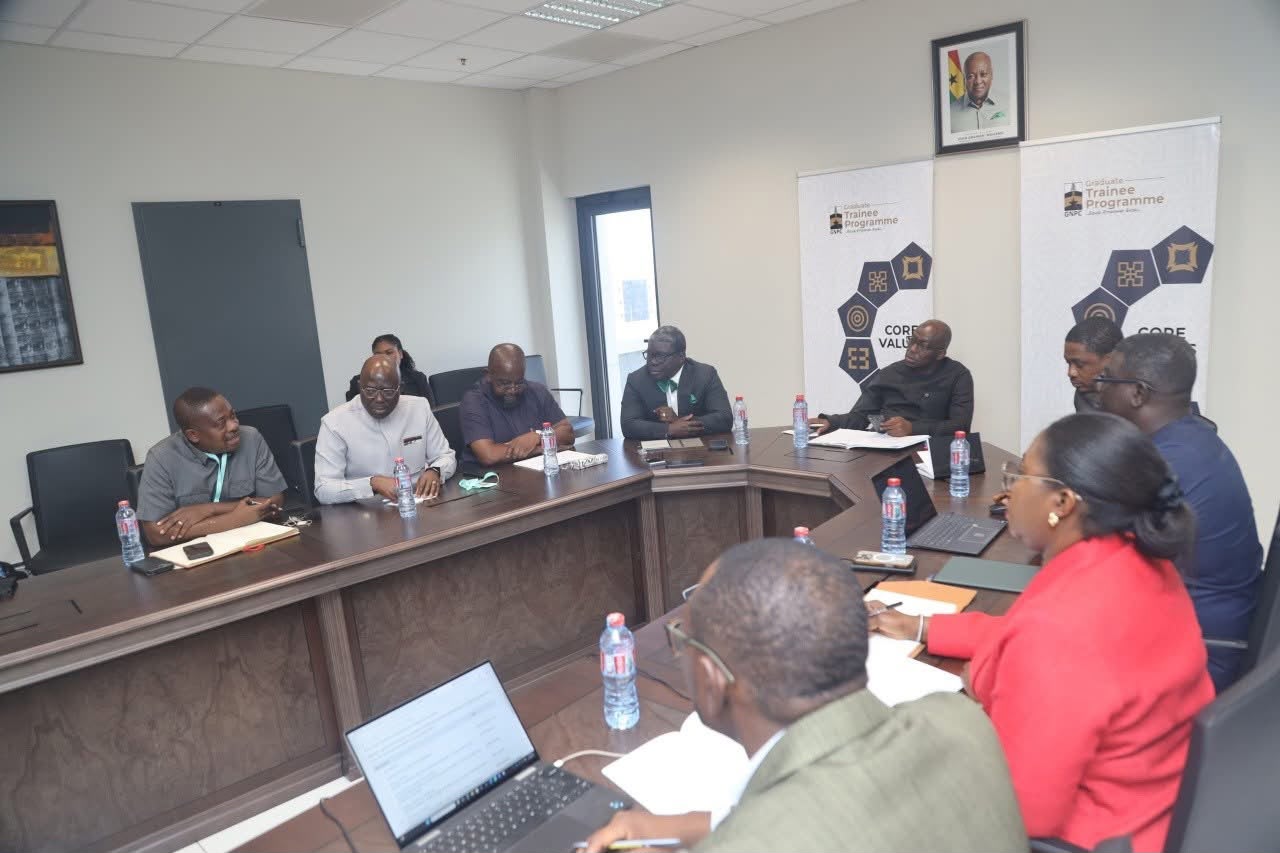
He also proposed establishing a joint committee to address the issues raised during the meeting and develop a roadmap for implementation. Both proposals received agreement at the engagement.
The proposed arrangements could provide a structure for maintaining communication beyond the initial meeting, identifying practical obstacles and coordinating follow-up actions between GNPC and AGI.
A joint committee could also help translate broad areas of interest into more specific priorities, including supplier registration, certification requirements, procurement information and opportunities for technical collaboration.
The source announcement does not provide a timetable for establishing the platform or committee, identify their membership, or set out specific implementation targets. Those details will be important in assessing how quickly the proposals can produce tangible results.
Local Content And Industrial Development
The engagement comes against the wider policy objective of increasing Ghanaian participation in the petroleum industry while strengthening the domestic industrial base.
Stronger connections between upstream operators and local businesses can create opportunities for Ghanaian firms to supply goods and services, develop technical expertise and build experience in a sector with demanding operational requirements.

For manufacturers and service providers, petroleum procurement can offer a route to expanding production, improving standards and developing capabilities that may also be useful in other industries.
For GNPC, a broader pool of qualified domestic suppliers could create additional opportunities to source goods and services locally where they meet the required standards and commercial conditions.
Realising these benefits requires more than institutional engagement. Companies need reliable procurement information, clear qualification requirements and sufficient time to prepare competitive bids.
Meanwhile, the proposed collaboration will need to respect applicable procurement procedures and the technical demands of upstream operations.
The meeting between AGI and GNPC establishes a basis for closer coordination, but the next stage will be implementation.
The proposed information-sharing platform and joint committee will be important tests of whether the engagement can move from discussion to practical supplier opportunities.
Ultimately, the measure of success will be whether more qualified Ghanaian businesses can identify relevant contracts, meet industry requirements and compete for a greater share of opportunities in the upstream petroleum value chain.
READ ALSO: Sakharov Prize For ICC Reinforces Support For International Justice- Analyst