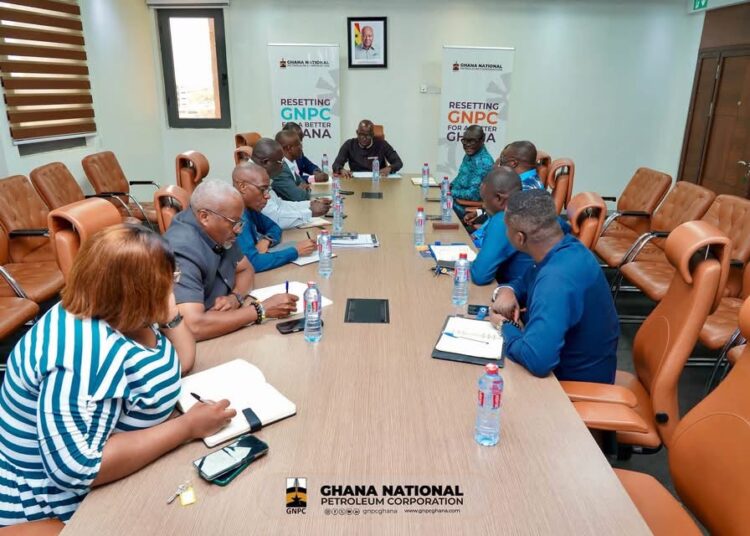
The Ghana National Petroleum Corporation (GNPC) has pledged technical and institutional support to the Public Interest and Accountability Committee (PIAC), highlighting capacity-building as a key area of cooperation in strengthening public oversight of Ghana’s petroleum resources.
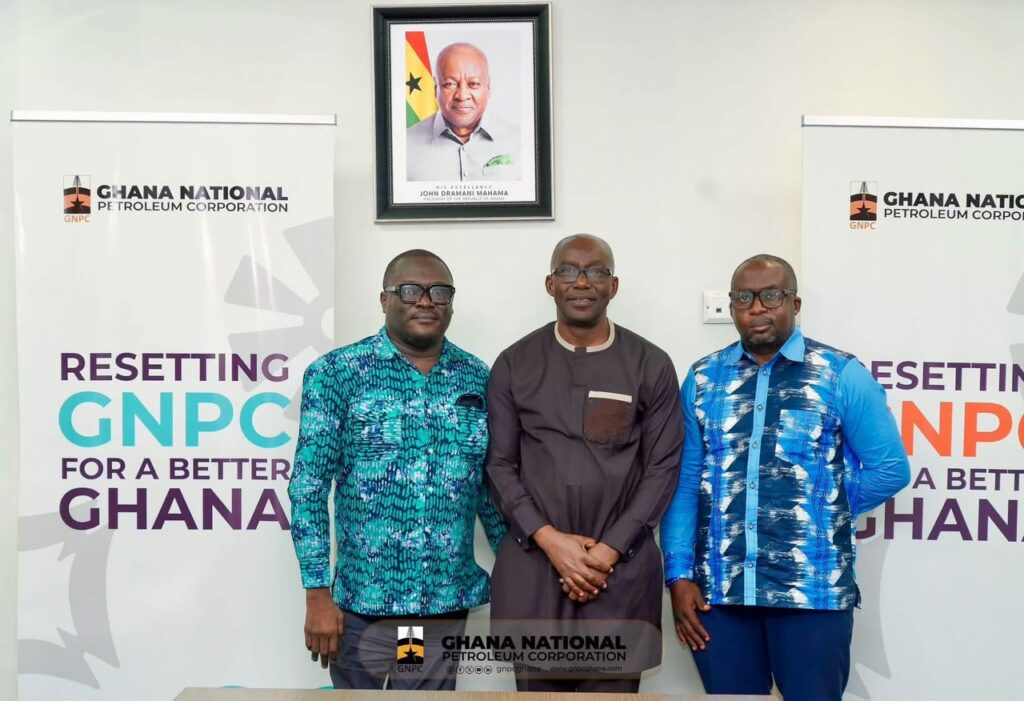
The commitment was expressed by GNPC Chief Executive Kwame Ntow Amoah during a meeting with PIAC at Petroleum House, where the Corporation indicated its readiness to support initiatives aimed at deepening the committee’s understanding of the petroleum industry.
The engagement brings the technical expertise of the national oil company into focus as PIAC continues its mandate of promoting accountability in the management and use of Ghana’s petroleum revenues.
GNPC said its commitment to supporting the committee with reliable technical information and sustained institutional cooperation remained firm.
“Our commitment to supporting the Public Interest and Accountability Committee (PIAC) with reliable technical information and continued institutional cooperation is resolute.”
The pledge points to an important dimension of petroleum governance: effective public oversight depends not only on access to financial and production data but also on the technical capacity to interpret that information and assess its implications.
Technical Knowledge And Petroleum Accountability
Ghana’s petroleum sector involves complex commercial arrangements, production operations and revenue flows. Understanding these issues can be essential to examining how petroleum resources are managed and whether the benefits accruing to the country are properly accounted for.
PIAC’s oversight work therefore requires access to credible information and the ability to scrutinise the technical and financial issues underlying petroleum operations.
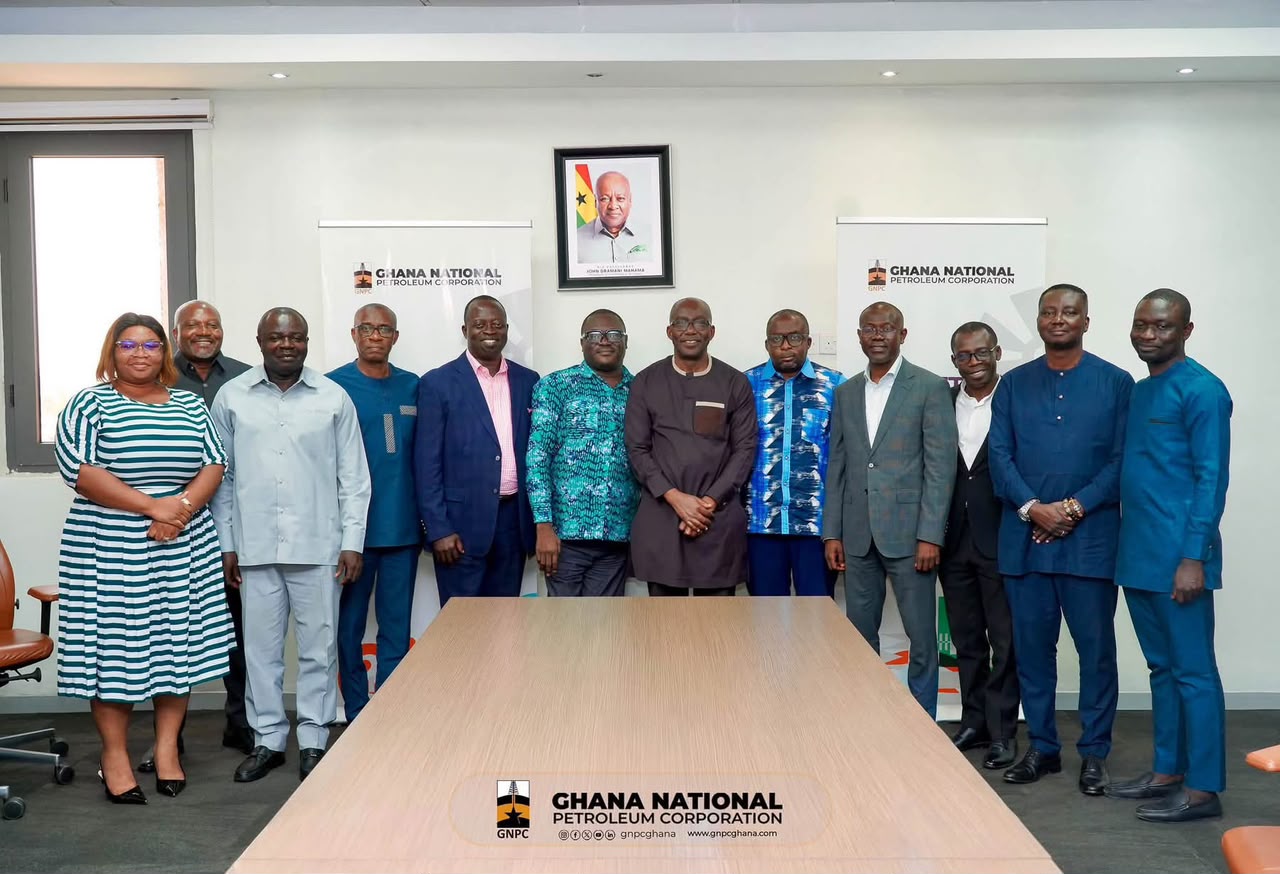
GNPC’s proposed support for capacity-building could help strengthen that understanding, particularly where specialised knowledge is needed to interpret industry information.
During the engagement, Amoah expressed the Corporation’s readiness to assist initiatives designed to improve PIAC’s understanding of the petroleum industry.
The announcement, however, did not specify the training programmes, technical materials or support arrangements that would be provided.
The practical value of the commitment will depend on how it is implemented and whether the support responds to the committee’s identified capacity needs.
Cooperation Must Support Independent Scrutiny
The engagement also raises an important governance consideration: technical cooperation between an institution operating within the petroleum sector and a body responsible for public accountability must strengthen scrutiny while preserving the latter’s independent role.
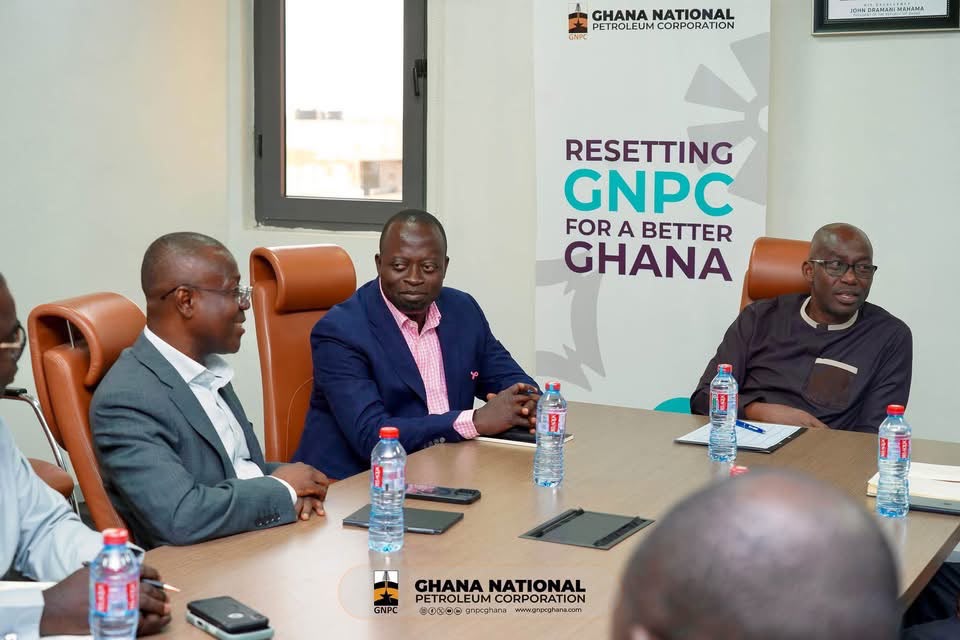
Reliable technical information can help oversight institutions ask more informed questions about petroleum operations and resource management.
Capacity-building can also improve their ability to examine industry explanations, interpret complex data and communicate findings to the public.
For such cooperation to be effective, the information provided must remain subject to independent assessment. Technical assistance should equip PIAC to scrutinise petroleum-sector institutions rather than substitute for the committee’s own analysis and judgement.
GNPC’s pledge of continued institutional cooperation provides a basis for further engagement, although the announcement did not outline specific mechanisms for ensuring that the proposed support would translate into measurable improvements in oversight.
From Commitment To Practical Support
The meeting at Petroleum House signals a willingness by GNPC to work with PIAC on technical knowledge and institutional capacity.
The next step will be to translate that commitment into clearly defined activities, with practical outcomes that can be assessed over time.
These could include structured capacity-building initiatives and more systematic access to relevant technical information, subject to the institutions’ agreed arrangements and respective responsibilities.
Ultimately, the significance of the engagement will be measured not simply by the promise of cooperation but by whether it strengthens PIAC’s ability to examine petroleum-sector issues and support informed public accountability.
As Ghana continues to manage its petroleum resources, effective oversight will depend on institutions having both access to credible information and the expertise to interrogate it.
GNPC’s commitment places technical cooperation on the agenda; its implementation will determine the extent to which that cooperation strengthens the accountability process.
READ ALSO: GEA Explores Virgin Islands Market for Ghanaian Products