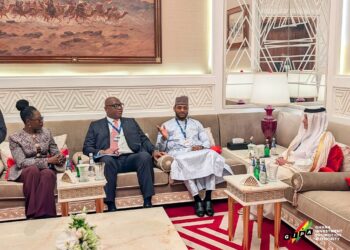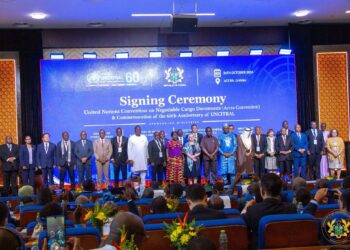
The United Traders Forum, Kumasi has called for stronger consideration of small businesses, traders and local enterprises in Ghana’s national economic planning following its participation in a stakeholder dialogue organised ahead of the national budget process.
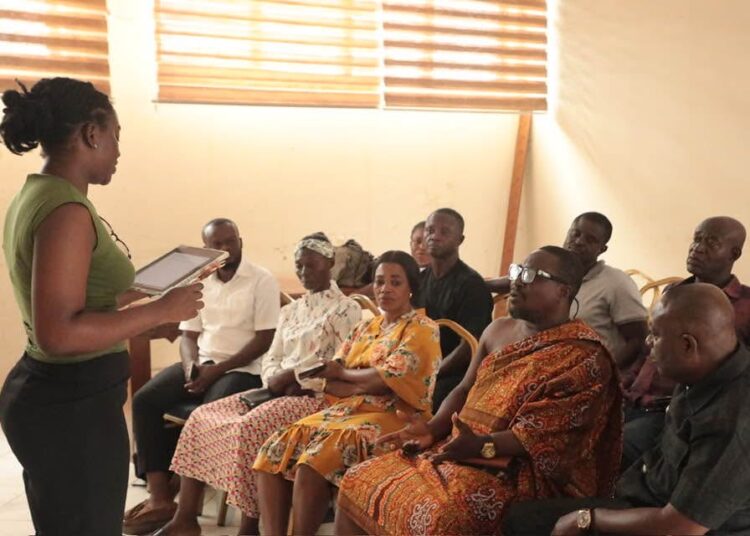
The engagement, facilitated by the Kumasi Metropolitan Assembly (KMA) and the United Nations Development Programme (UNDP), brought together representatives of the trading community to contribute to discussions on the state of the economy, the cost of doing business, taxation and expectations for the national budget.
The meeting led by the National Development Planning Commission (NDPC) as part of its research.
The dialogue provided an opportunity for traders from Kejetia and Kumasi’s central business district to communicate the economic pressures affecting their operations and propose measures to improve the business environment.
“We shared the realities on the ground, high cost of goods, low sales, high taxes and levies, access to affordable credit, and the urgent need for market infrastructure support.”
The United Traders Forum, Kumasi
The participation of the traders reflects the importance of incorporating evidence from businesses operating in major commercial centres into fiscal planning.
Their concerns highlight the relationship between government revenue policies, the affordability of essential goods, consumer demand and the ability of small enterprises to remain profitable.

Rising Costs Challenge Trading Businesses
Traders identified high merchandise costs, weak sales and multiple taxes and levies as major challenges affecting their businesses. These concerns come at a time when Ghana’s overall inflation rate has moderated considerably from the elevated levels recorded in previous years, although the cost of goods and services continues to influence household spending and business decisions.
Data from the Ghana Statistical Service showed that year-on-year consumer inflation stood at 5.2 per cent in September 2026, compared with 5.0 per cent in August.
The September increase reflected renewed monthly price pressures, with consumer prices rising by 1.1 per cent during the month. Services inflation remained elevated at 8.3 per cent, underscoring continuing cost pressures beyond merchandise prices.
For traders, lower inflation does not necessarily mean that prices have returned to previous levels.
Rather, it indicates that prices are increasing more slowly, while the accumulated cost of purchasing inventory, transporting goods, paying for storage and maintaining business premises can continue to constrain working capital.
These pressures can be particularly difficult for small and medium-sized enterprises (SMEs), which often depend on frequent stock turnover and limited cash reserves.
When sales weaken while operating expenses remain substantial, traders may struggle to replenish inventory, meet financial obligations and maintain affordable prices for customers.
The forum’s concerns therefore place emphasis on the need for budget measures that address both the cost of operating a business and the purchasing power of consumers
“We believe the voice of Kejetia must be heard when the national budget is prepared.”
United Traders Forum, Kumasi
The position underscores the importance of engaging businesses directly affected by fiscal decisions, particularly those operating in markets that support employment, retail distribution and household livelihoods.
Taxation and Affordable Credit
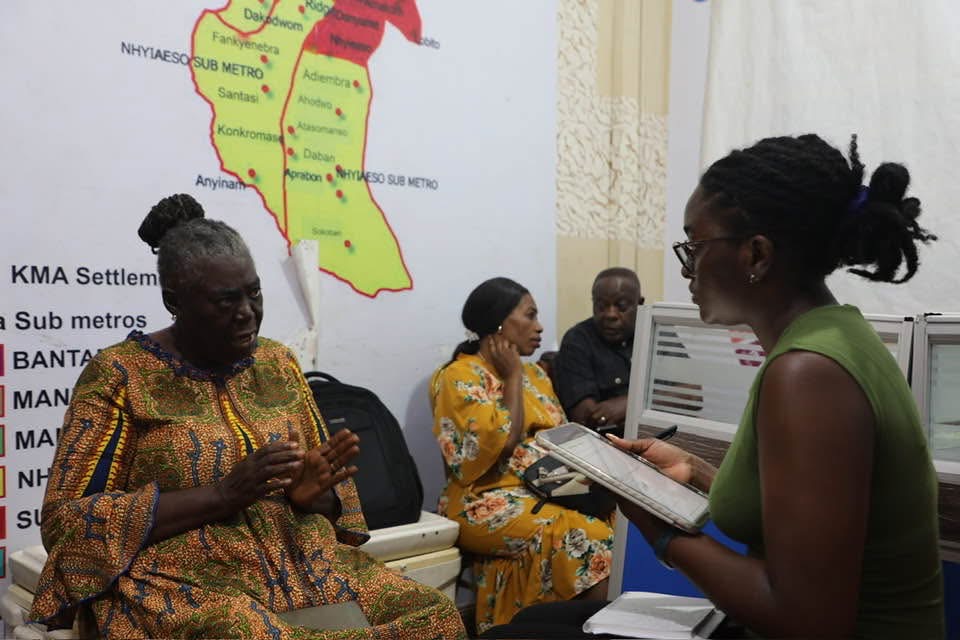
Taxation was another key issue raised during the dialogue, with traders seeking a business environment in which statutory payments and local levies do not place excessive pressure on small enterprises.
Although taxation remains essential for financing public services and infrastructure, the design and administration of tax measures can influence business formalisation, investment decisions and the ability of enterprises to expand.
The traders also highlighted access to affordable credit as a priority. Working capital is critical in the trading sector, where businesses must purchase goods before generating revenue from subsequent sales.
Budget policies that improve access to financing, strengthen SME support programmes and encourage suitable lending arrangements could help viable businesses expand their operations.
The objective, however, is not simply to increase borrowing. Sustainable support would require financing products aligned with traders’ cash-flow patterns, transparent lending conditions and appropriate business development assistance.
“We look forward to a budget that puts SMEs, traders and local businesses first.”
United Traders Forum, Kumasi
The call places emphasis on practical interventions that enable enterprises to remain competitive while contributing to domestic commerce and economic activity.
Market Infrastructure and Economic Planning
Infrastructure support was another major concern raised by the forum, reflecting the importance of market facilities to commercial productivity and public safety.
Kejetia and the surrounding central business district serve as important trading areas in Kumasi, connecting retailers, wholesalers, suppliers and consumers.
The quality of market infrastructure can influence the movement of goods, customer access, sanitation, storage, security and the overall efficiency of commercial activity.
Investment in well maintained market facilities, drainage, sanitation, loading areas and accessible transport links can help improve trading conditions.
Such improvements may also support the work of local authorities in managing congestion, waste and the delivery of goods.
For the KMA, the engagement provides an opportunity to communicate traders’ priorities through broader national planning discussions.
The collaboration between metropolitan authorities, development partners and national institutions can help identify interventions that reflect conditions in local markets.
The NDPC’s involvement is particularly relevant because development planning requires information about how economic policies affect different groups and locations.
Also, consultation with traders can complement national economic indicators by providing insight into sales performance, operating expenses, financing constraints and the practical effects of taxation.
The United Traders Forum, Kumasi expressed appreciation to the KMA and UNDP for recognising the trading community’s contribution to the dialogue.