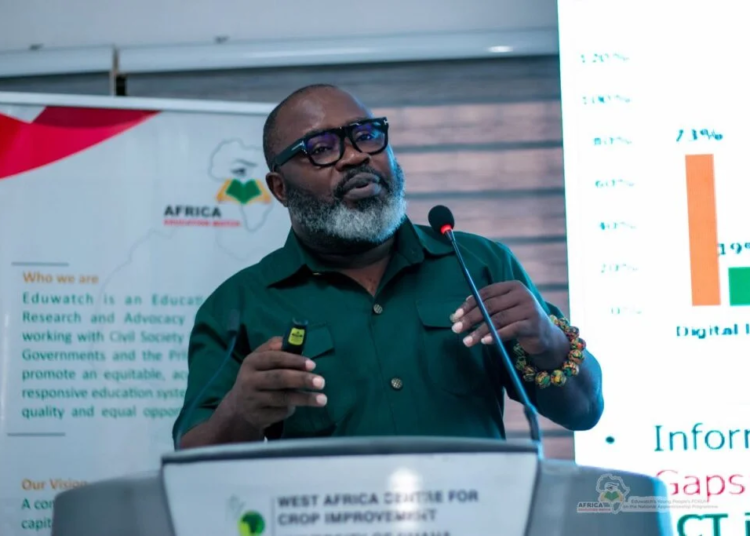
Africa Education Watch (Eduwatch) has warned that out-of-pocket charges in Ghana’s public basic schools are undermining equitable access and participation, with its 2026 education financing study finding that 99 per cent of surveyed parents paid for at least one cost item.
The study surveyed 200 parents and guardians across 20 districts and 65 public schools during the 2025/26 academic year. It found that 76% t reported their child had been excluded because of non-payment, raising concerns about the effectiveness of Ghana’s free Compulsory Universal Basic Education (FCUBE) framework.
99% of surveyed parents paid for at least one basic education cost, while 76 per cent reported exclusion linked to non-payment.
“The small gap between exposure and payment shows that once a charge exists, parents have limited choice to avoid it.”
Africa Education Watch
Eduwatch’s study examined household spending on ten education cost items for one reference child across Kindergarten, Primary and Junior High School.
Examination Fees Lead Reported Payments
Examination fees were the most widely reported cost, with 85.5% of parents indicating that the charge existed at their child’s school. PTA levies followed at 82.5 per cent, while 71.5 per cent reported extra classes fees. Textbooks and exercise books were also widespread, at 66.5 per cent and 64.5 per cent respectively.

More than half of surveyed parents reported school uniform costs, while 45 per cent indicated that desks were charged for. Admission fees were reported by 33 per cent, and 30.5 per cent identified BECE preparation fees.
The study’s payment data showed that examination fees had the highest incidence, with 84 per cent of all surveyed parents reporting that they paid. PTA levies followed at 80 per cent, while 68 per cent paid for extra classes.
Textbooks were purchased by 61 per cent of parents, and 55 per cent paid for exercise books. Nearly half paid for uniforms, while 39 per cent reported spending on desks. Thirty per cent paid admission fees, 15 per cent paid BECE preparation fees and 10 per cent paid placement fees.
Non-Payment Prevents Participation
The consequences were particularly stark for examinations and supplementary learning. The study found that 64.5 per cent of parents reported non-participation associated with unpaid examination fees, while 53 per cent linked exclusion to extra classes fees.
Non-payment also affected access to exercise books, uniforms and PTA-supported activities. The study recorded exclusion rates of 42.5 per cent for exercise books, 38 per cent for uniforms and 33.5 per cent for PTA levies. Thirty per cent reported exclusion connected to admission fees, while 30.5 per cent cited desks.
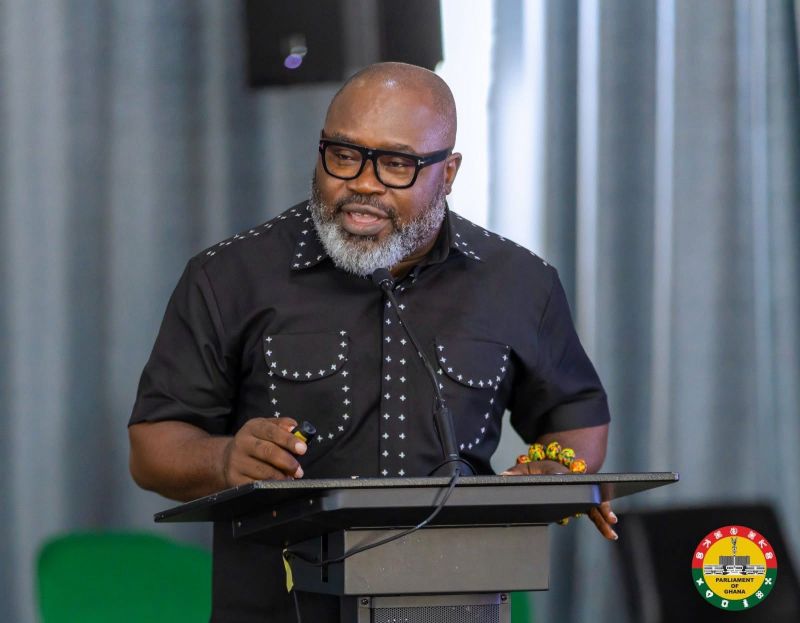
Eduwatch estimated median annual out-of-pocket expenditure at GH¢620.67 per child across basic education. Spending varied by school level, reaching GH¢960 at Junior High School, compared with GH¢470 at Kindergarten and GH¢432 at Primary School.
Textbooks represented 35 per cent of reported expenditure, making them the largest cost component. Exercise books, uniforms and desks together with textbooks accounted for 69 per cent of total spending. The study linked the higher JHS median to transition-related expenses, including BECE preparation and placement fees.
Weak Enforcement Undermines Free Education
The report noted that Ghana Education Service directives issued in August 2022 and February, March and June 2025 against school-based examination fees had not stopped the charges, which remained widespread as of August 2026.
“GES directives against school-based exam fees (August 2022; February, March and June 2025) have not stopped the charges, which remained widespread as of August 2026.”
Eduwatch also highlighted a funding imbalance between basic and secondary education, observing that eight of the ten items were government-financed at the secondary level but neglected in basic schools.
It also warned that out-of-pocket costs threaten progress towards the education-related Sustainable Development Goals, particularly as poverty and related factors already keep an estimated 10 per cent of basic-school-age children out of school.
Eduwatch Calls for Fully Funded FCUBE Policy
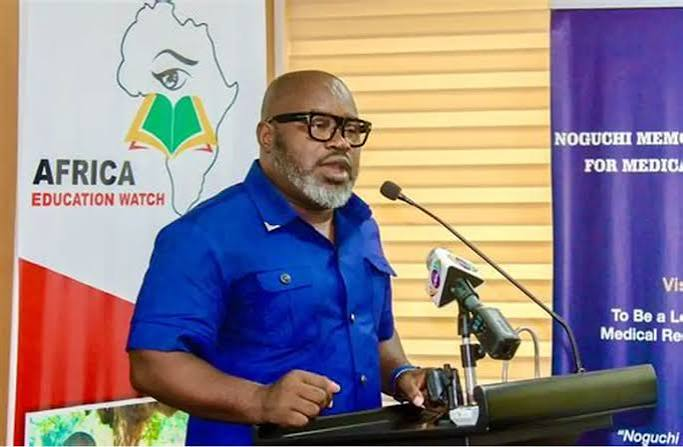
Eduwatch recommended that the Ministry of Education develop, implement and finance a comprehensive, fully costed FCUBE policy that clearly defines the respective financing responsibilities of government and parents.
The organisation called for fee abolition to be matched with predictable funding for learning materials, school-based assessments, supplementary learning support and BECE preparation. It also urged equitable resource allocation, stronger budget execution, effective oversight and accessible complaints mechanisms.
The report recommends firm sanctions for education officials who supervise or engage in extortion, arguing that free education requires funding and enforcement that prevent charges from denying children access to lessons and examinations.
READ MORE: PRETAG Urges Government to Honour Promotion Arrears Deadline