Ghana is seeking to deepen its energy relationship with the United Arab Emirates (UAE), as the Energy Commission steps up efforts to attract international partnerships that could support investment, innovation and the country’s transition towards a more secure and sustainable energy system.
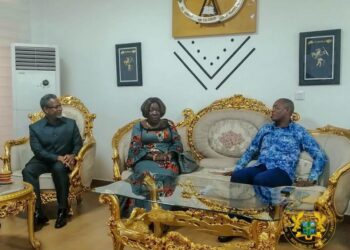
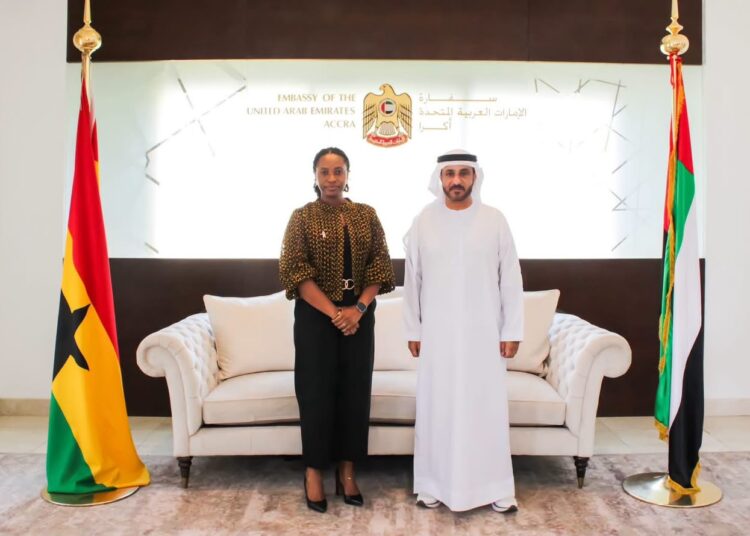
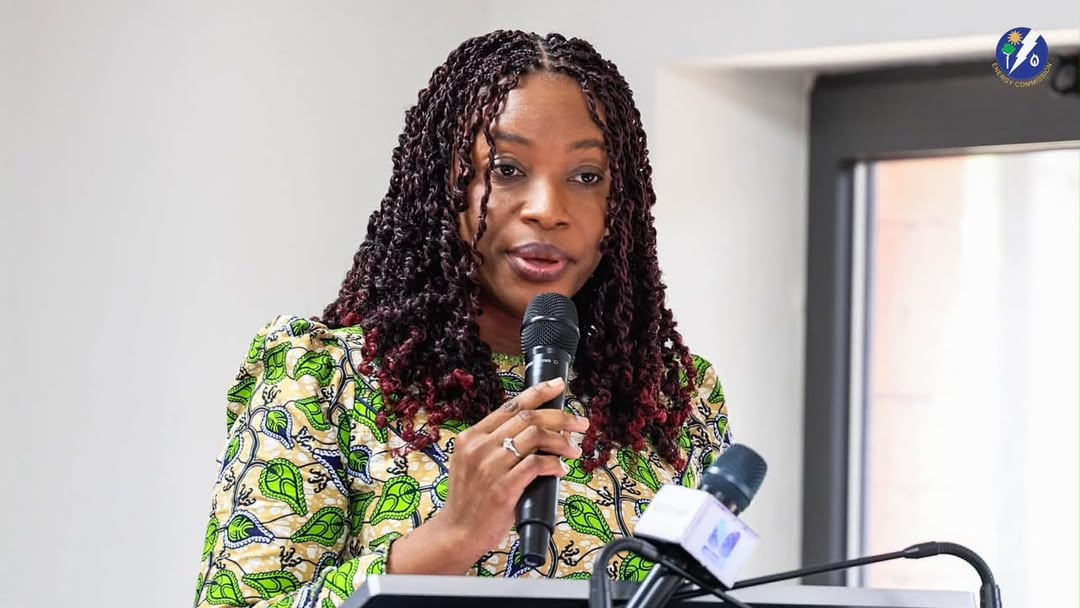
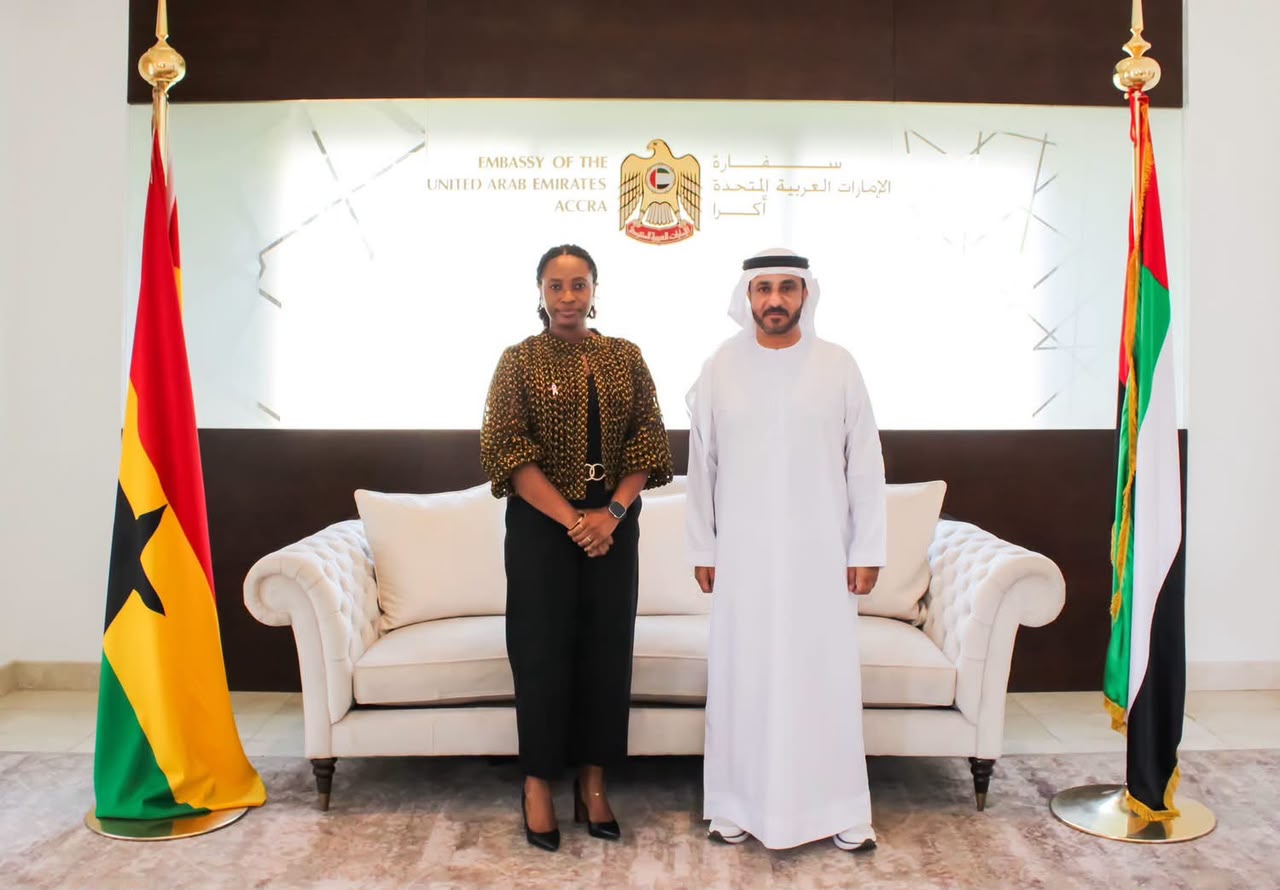
The Acting Executive Secretary of the Energy Commission, Ms. Adwoa Serwaa Bondzie, paid a courtesy call on the UAE Ambassador to Ghana, H.E. Dr. Abdulla Al Mandoos, at the UAE Embassy in Accra.
The engagement forms part of the Commission’s broader effort to build strategic international relationships around Ghana’s energy priorities.
Although the visit was described as a courtesy call, its stated purpose points to a wider policy objective: using diplomatic relationships to create opportunities for cooperation in a sector where investment, technology and long-term planning will influence Ghana’s ability to meet growing energy needs.
The Commission has identified the UAE as a potential partner because of its standing in energy innovation. Ms. Bondzie reaffirmed the Commission’s openness to working with the country to strengthen bilateral ties and advance shared energy goals.
However, the announcement did not identify specific projects, investment commitments or agreements arising from the meeting.
The immediate significance of the engagement is therefore the opening of a channel for cooperation, rather than evidence that new funding or energy infrastructure has already been secured.
From Diplomatic Engagement To Energy Investment
For Ghana, the value of international energy partnerships ultimately depends on whether diplomatic engagement can translate into practical investment and technical cooperation.
The Energy Commission’s stated objective is to develop partnerships that help attract investment into the sector and support the goal of secure, affordable and sustainable energy for all.
That ambition places the Commission’s engagement with the UAE within a broader development challenge. Ghana needs energy systems that can meet demand while balancing affordability, reliability, investment requirements and environmental considerations.
International cooperation could support these priorities through financing, technology transfer, technical expertise and knowledge exchange.
But the specific contribution of any partnership depends on the areas selected for cooperation and the terms under which projects are developed.
For the Energy Commission, the next stage would be to identify opportunities where UAE expertise and investment interests align with Ghana’s energy-sector requirements.
The distinction is important: diplomatic goodwill can establish the conditions for cooperation, but projects require clearly defined objectives, commercially credible proposals and arrangements that deliver measurable benefits.
Why The UAE Matters To Ghana’s Energy Ambitions
The Commission has described the UAE as a global leader in energy innovation and expressed its willingness to deepen cooperation with the country.
That interest creates scope for discussions around areas of mutual benefit, although the announcement does not specify which technologies or segments of Ghana’s energy sector the two parties intend to prioritise.
Potential areas for future engagement could include renewable energy, energy efficiency, modern power systems and technical capacity development. These are possible avenues for cooperation, not confirmed outcomes of the courtesy call.
For Ghana, any such engagement would need to respond to domestic priorities. Investment is most useful when it helps address identifiable challenges, whether through improved electricity reliability, more affordable supply, stronger technical capacity or the development of sustainable energy resources.
It would also be important to assess prospective partnerships on their practical merits, including project costs, financing conditions, implementation capacity and long-term value to the country.
The UAE relationship could provide a platform for exploring these questions, but the announcement does not establish that specific initiatives have been agreed.
The Energy Transition Requires More Than New Partnerships
Ghana’s goal of achieving secure, affordable and sustainable energy for all reflects the challenge of pursuing several objectives at once.
Security requires dependable energy supplies and infrastructure capable of meeting demand. Affordability requires attention to investment costs and the financial sustainability of the energy system.
Sustainability requires consideration of how energy is produced and consumed over time.
These objectives can reinforce one another, but they can also involve difficult choices. New technologies may require substantial upfront investment, while the benefits may take time to materialise.
Expanding cleaner energy sources also requires appropriate infrastructure, planning and technical expertise.
This makes international partnerships potentially valuable, particularly where they can help mobilise capital or strengthen local capacity.
Yet their contribution should be judged by what they deliver rather than by the number of meetings or diplomatic engagements undertaken.
For the Energy Commission, the challenge is to connect its partnership-building efforts to clearly defined national energy priorities and ensure that any resulting cooperation advances practical outcomes.
Turning Goodwill Into Measurable Results
Ms. Bondzie thanked Ambassador Al Mandoos for the warm reception and reaffirmed the Commission’s openness to working with the UAE to deepen relations between the two countries.
Her message signals an intention to keep the door open to cooperation with a country the Commission regards as strategically relevant to its energy ambitions.
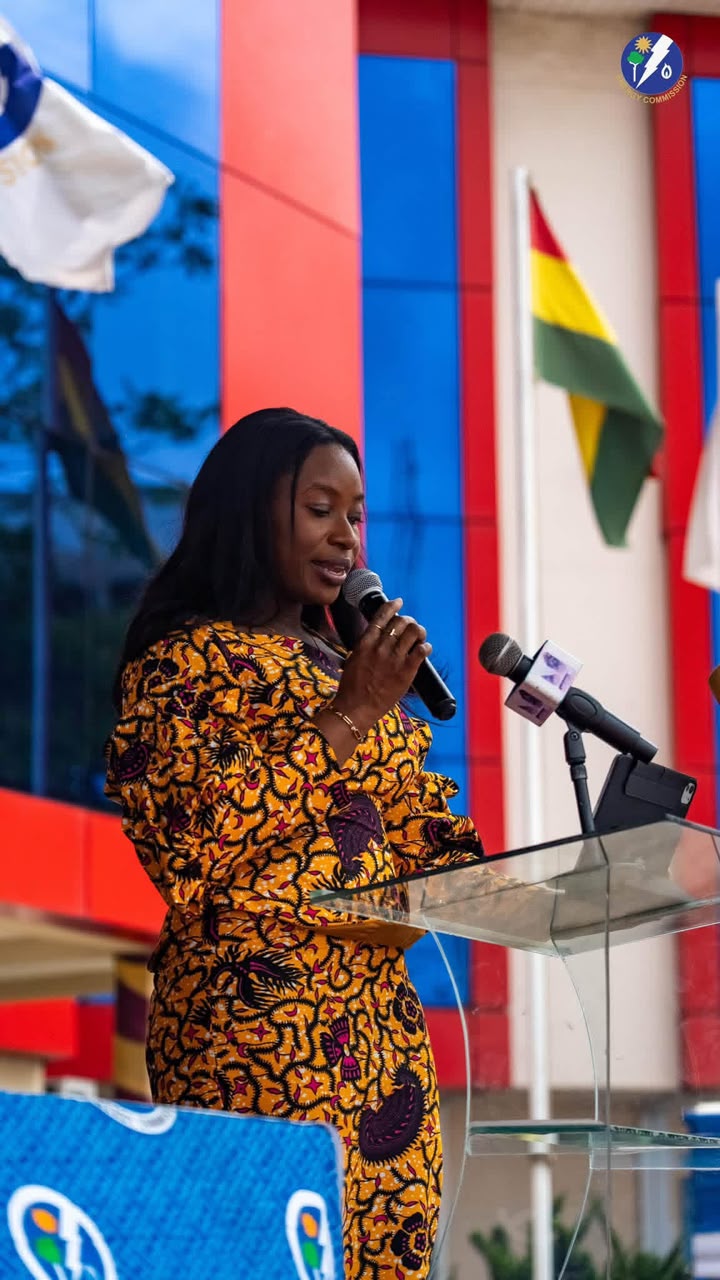
“The Commission is open to working with the UAE, a global leader in energy innovation, to deepen ties between Ghana and the UAE and advance shared energy goals.”
The statement captures the direction of the Commission’s engagement. It does not, however, establish a formal partnership or confirm that the two sides have agreed on a programme of work.
The next test will be whether the engagement leads to further discussions, defined areas of cooperation and proposals that can be evaluated against Ghana’s energy needs.
For the country, the measure of success will not simply be stronger diplomatic ties. It will be whether those ties help unlock investment, expand access to relevant expertise and contribute to an energy system that is reliable, affordable and sustainable.
The courtesy call at the UAE Embassy therefore represents an opening rather than a conclusion. If it leads to concrete projects and clearly structured cooperation, the engagement could become part of the Energy Commission’s efforts to mobilise international support for Ghana’s energy transition.
Until specific initiatives are announced, the central question remains whether the goodwill established through diplomacy can be converted into practical energy-sector gains for Ghana.
READ ALSO: AU Calls for Greater African Economic Sovereignty