
Ghana’s fuel market has opened November with contrasting price movements, as motorists face a marginal reduction in petrol prices while diesel users absorb a sharper increase, exposing the different pressures shaping the domestic petroleum market.
Star Oil has reduced its petrol price from GH¢16.45 to GH¢16.38 per litre for the November 1–15 pricing window, while increasing diesel from GH¢17.95 to GH¢18.45 per litre.
The adjustments represent a seven-pesewa reduction in petrol and a 50-pesewa increase in diesel.
The divergence comes despite a 1.90% decline in international crude oil prices during the review period and a 0.70% appreciation of the cedi against the US dollar.
However, refined petroleum products moved in different directions, with international petrol prices falling by 4.97% while diesel prices increased by 3.54%.
The developments highlight a persistent vulnerability in Ghana’s downstream petroleum market: movements in crude prices and the exchange rate do not necessarily translate into uniform changes at the pumps because the country also depends on the international market for finished petroleum products.
The Chamber of Oil Marketing Companies (COMAC) had projected a reduction of up to 3.35% in petrol prices for the first November pricing window, alongside a 1.50% increase in diesel and a 0.81% rise in liquefied petroleum gas (LPG).
Although Star Oil has begun implementing its revised prices, other major Oil Marketing Companies (OMCs) are expected to announce their adjustments later in the week. Actual pump prices will therefore differ across retailers.
Crude Prices Fall, But Diesel Moves Against The Trend
The most notable feature of the November adjustments is the increase in diesel prices despite the decline in crude oil prices.
Ordinarily, lower crude prices can reduce the cost of petroleum feedstock and potentially ease pressure on fuel prices.

However, Ghana’s downstream market is influenced by the prices of refined products traded internationally, not crude oil benchmarks alone.
During the review period, international petrol prices declined by 4.97%, providing a basis for the expected reduction at the pumps. Diesel, however, recorded a 3.54% increase, while LPG experienced a much steeper rise of 21.33%.
This divergence explains why the latest pricing window has produced different outcomes across the three major petroleum products.
For Ghana, the distinction is particularly important because the country remains exposed to the cost of importing finished petroleum products.
Even as crude prices decline, higher international diesel prices can increase the cost of supplying the domestic market.
Diesel also has wider economic implications because it is used extensively in commercial transport, logistics, industrial activity, construction and other productive sectors.
A sustained increase can therefore extend beyond motorists to businesses whose operating costs depend on diesel-powered vehicles, machinery and equipment.
The 50-pesewa increase announced by Star Oil is consequently more than a difference between two pump-price adjustments. It reflects the extent to which product-specific international market movements can influence domestic fuel costs.
Stronger Cedi Provides Some Cushion
The cedi’s appreciation offered some relief during the review period, helping to moderate the effect of international petroleum price movements on local prices.
COMAC reported that the currency appreciated by 0.70% to GH¢11.7326 against the US dollar, based on average bank rates between October 12 and October 27, 2026.
The chamber attributed part of the currency’s support to foreign exchange interventions by the Ghana Gold Board over the preceding three weeks.
It also cited a planned US$1.5 billion injection intended to support the cedi ahead of the festive period.
The currency movement is relevant because petroleum imports require foreign exchange. When the cedi strengthens, importers may need fewer cedis to purchase the same amount of foreign currency, potentially reducing the local-currency cost of importing petroleum products.
However, the extent of that benefit depends on whether the appreciation is sustained and how it interacts with international product prices, shipping costs and other components of the domestic pricing structure.
The November figures demonstrate this interaction. Although the stronger cedi helped moderate the overall pricing outlook, it did not prevent diesel prices from increasing because the international price of the product moved upwards.
The development also illustrates why exchange-rate stability remains important to Ghana’s downstream petroleum sector. Currency appreciation can cushion consumers against external price pressures, but it cannot independently determine what motorists pay at filling stations.
Government Intervention Limits Diesel Pressure
The increase in diesel prices could have been sharper without the temporary government–industry intervention introduced to moderate the effect of rising costs on consumers.
COMAC said adjustments to the Energy Sector Shortfall and Debt Repayment Levy and selected statutory margins would remain in place for one month as part of measures to cushion diesel users.
The chamber explained that the intervention was designed to maintain the existing burden-sharing arrangement between government and industry, rather than transfer the full impact of the international price increase to consumers.
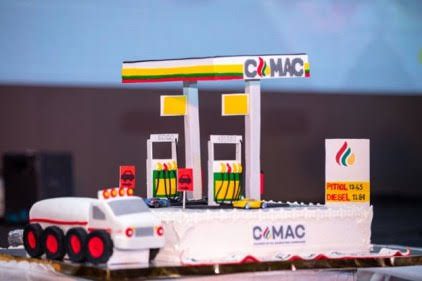
“The total value of the intervention remains unchanged, maintaining the Government–industry burden-sharing arrangement introduced on 16 April 2026 to moderate increases in diesel prices at the pumps,”
COMAC
The arrangement is significant because it demonstrates how fiscal and industry-level interventions can influence the final price consumers face, particularly when international product costs are rising.
However, the temporary nature of the measure raises questions about what happens when the one-month adjustment period expires.
If international diesel prices remain elevated, the market could face renewed pressure unless other conditions improve or the intervention is extended.
There is also a broader fiscal consideration. Levy adjustments can provide short-term relief, but they affect the revenue arrangements associated with the energy sector and public finances.
The sustainability of such interventions therefore depends on balancing consumer protection with the need to finance obligations within the electricity and petroleum sectors.
For policymakers, the challenge is to ensure that measures intended to cushion consumers do not create additional financial pressures that become difficult to manage over time.
LPG Faces A Separate Cost Challenge
While petrol and diesel have attracted attention because of their contrasting pump-price movements, LPG presents another concern for households and businesses.
COMAC projected an increase of 0.81% in LPG prices, despite the stronger cedi. This follows a 21.33% increase in international LPG prices during the review period.
The sharp movement in the international benchmark indicates that currency appreciation alone may not be sufficient to prevent increases in the domestic cost of the product.
LPG remains important to Ghana’s clean-cooking ambitions, particularly as policymakers seek to expand access to modern cooking fuels and reduce reliance on traditional biomass.
Higher LPG prices could affect household expenditure and the affordability of switching to or consistently using the fuel. The impact is especially relevant for lower-income households, for whom even relatively small price increases can influence consumption decisions.
The projected adjustment therefore deserves attention beyond the immediate pricing window, given the connection between LPG affordability, household energy choices and the country’s broader clean-cooking objectives.
November Pricing Exposes The Limits Of Short-Term Relief
The latest fuel-price adjustments present a mixed outcome for Ghanaian consumers. Petrol users receive a marginal reduction, while diesel users face a more substantial increase and LPG consumers are expected to encounter additional pressure.
Indicative figures put petrol at GH¢17.02 per litre and diesel at GH¢18.99 per litre, although these are not the same as Star Oil’s announced pump prices and actual retail prices will vary among OMCs.
The difference reinforces the importance of distinguishing between indicative market estimates, COMAC’s projections and the prices individual companies ultimately charge.
More broadly, the November pricing window illustrates the limits of relying on crude oil prices or exchange-rate movements alone to assess Ghana’s domestic fuel outlook.
The country remains exposed to international refined-product prices, while temporary fiscal and industry interventions can only moderate some of the pressures facing consumers.
For businesses, the diesel increase is particularly important because of its potential to feed into transport, distribution and production costs.
For households, the combination of petrol, diesel and LPG movements will produce different effects depending on their energy consumption patterns.
The immediate relief from lower petrol prices is therefore only one part of the picture. The more important question is whether Ghana can build a downstream market that is less vulnerable to external price volatility through stronger domestic refining, reliable supply arrangements, currency stability and a sustainable approach to petroleum-sector levies.
Until those structural conditions improve, favourable movements in crude prices or the cedi will not necessarily translate into lower costs across every fuel product.
The November adjustments offer a clear reminder that in Ghana’s petroleum market, the price direction of one product does not guarantee the same outcome for another.
READ ALSO: Ghana Publishing Company Owes GRA GH¢22m in Unpaid VAT