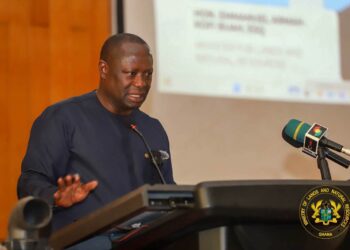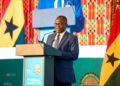

Minister for Lands and Natural Resources, Emmanuel Armah-Kofi Buah, has disclosed that Ghana received GH¢7.82 billion in mining royalty receipts between January and September following a strategic review of the national royalty framework.
The executive policy overhaul successfully generated an additional GH¢4 billion for state coffers during the period, drastically improving the country’s revenue trajectory from its non-renewable mineral resources.
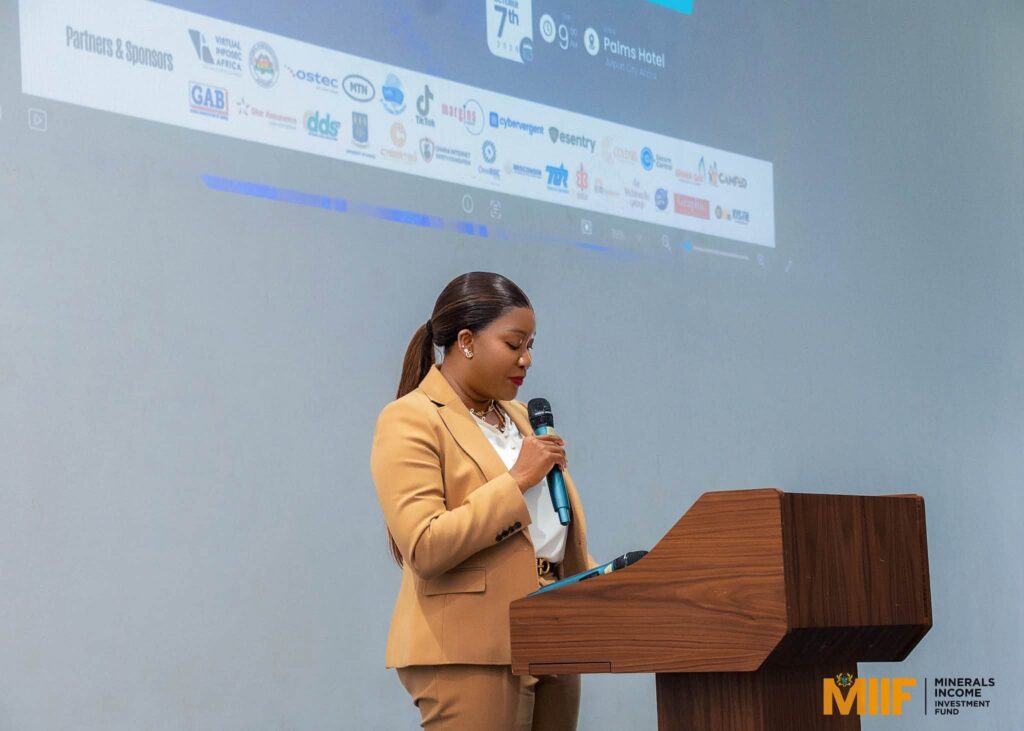
“Some of you will become valuable, and I want to bring some numbers that are so important to me on royalties. The Minerals Income Investment Fund has just reported that GH¢7.82 billion in royalty receipts between January and September this year has been received. Guess what we have received? GH¢3 billion. That decision has saved Ghana GH¢4 billion.”
Emmanuel Armah-Kofi Buah
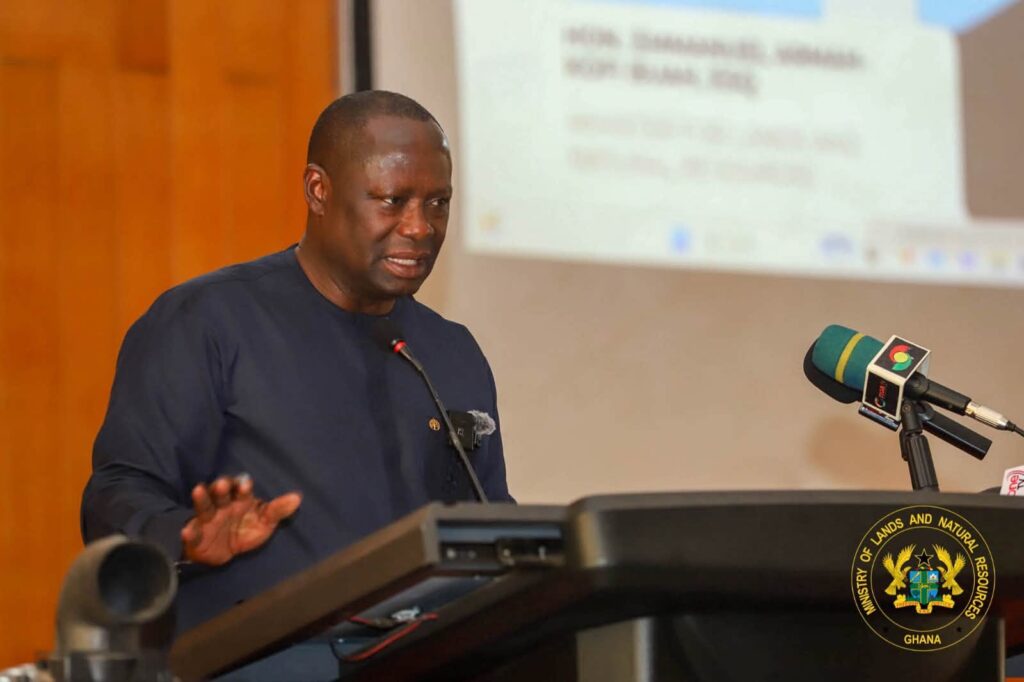
Speaking at the Kwame Nkrumah University of Science and Technology (KNUST) Extractive Summit under the theme “From Rocks to Resources, to Results: Leading Ghana’s Extractive Future,” the minister explained that the state’s bold decision to revise the fiscal framework yielded significant financial returns.
Ghana replaced its traditional flat-rate scheme with an agile sliding-scale royalty structure ranging between 5 and 12 percent.
This dynamic variable mechanism ensures that royalty collections automatically adjust higher alongside prevailing international gold prices, allowing the national treasury to capture a fair share of windfall profits while shielding mining companies during periods of market decline.
Flaws of the Legacy Flat Royalty System
For decades, Ghana’s fiscal regime in the mining sector was governed by rigid, fixed royalty percentages.
Under the former flat framework, multinational mining companies paid a stagnant rate regardless of the bullish spikes in global commodity benchmarks.
When gold prices soared on global trading floors, mining operators harvested substantial profit margins, yet statutory financial returns to the Ghanaian government remained entirely flat.
This structural inefficiency meant that the host nation repeatedly failed to capture windfall gains generated directly from its own natural endowments.
The fiscal disconnects became particularly pronounced during global economic uncertainties, when precious metals rallied to record highs without yielding proportional dividends for domestic development projects or community host funds.
Surmounting Resistance and Securing Economic returns
The implementation of the flexible sliding-scale model was met with intense pushback from international corporate stakeholders and diplomatic entities.
Various foreign institutions and industry lobbyists explicitly cautioned government officials against adjusting the royalty ceiling up to 12 percent, warning that higher fiscal demands would destabilize foreign direct investment and stifle exploratory capital inflows into the West African nation.
Unmoved by diplomatic pressure and market skepticism, state administrators anchored their policy decision strictly on comprehensive industry performance data and proven international best practices.
Operational data gathered following the policy rollout confirms that mining enterprises continue to maintain robust, reasonable profit margins under the revised variable arrangement.
Ghana’s decisive regulatory reform stands as a crucial precedent for resource-rich African nations, proving that host governments can optimize sovereign mineral revenues without compromising the operational viability of commercial extractive partners.