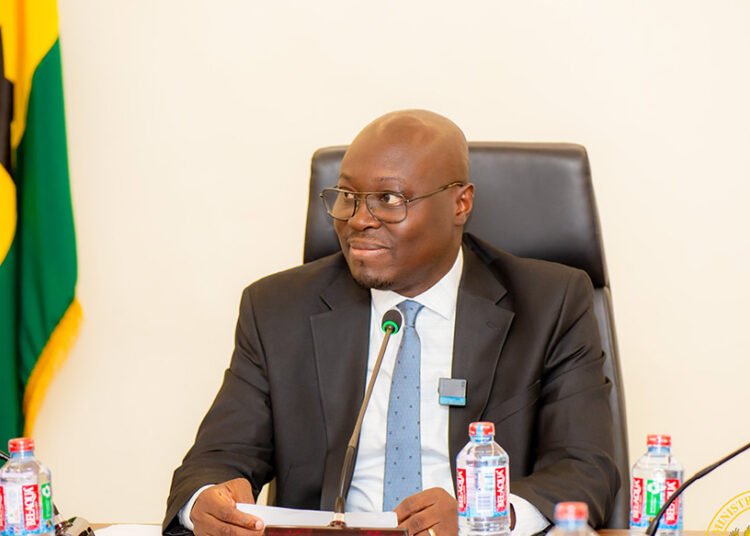
Finance Minister Dr Cassiel Ato Forson has urged the National House of Chiefs to support the Mahama Government’s New Economy initiative, describing the programme as a national effort to transform Ghana’s economic structure, expand domestic production and create lasting prosperity.
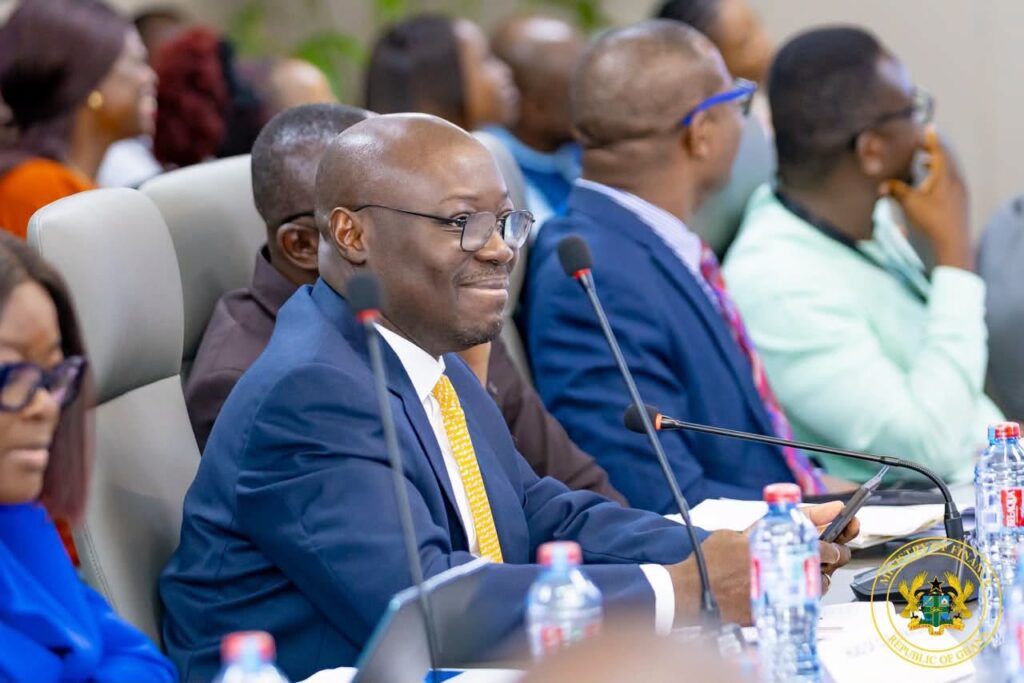
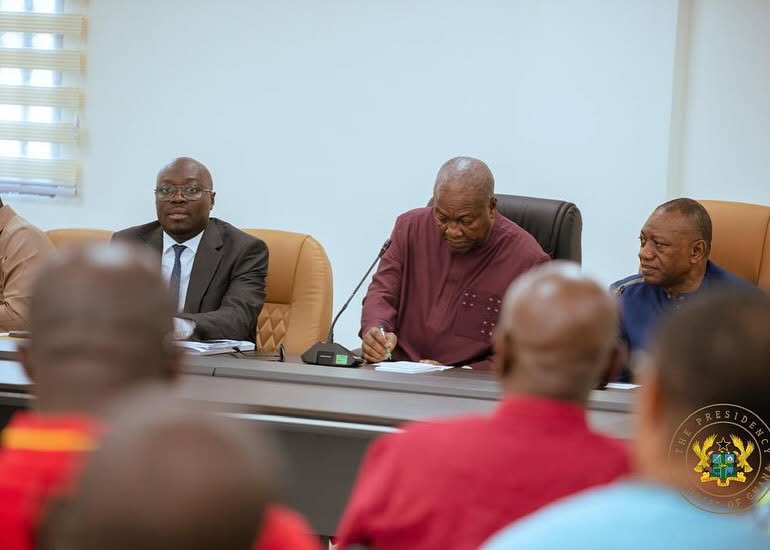
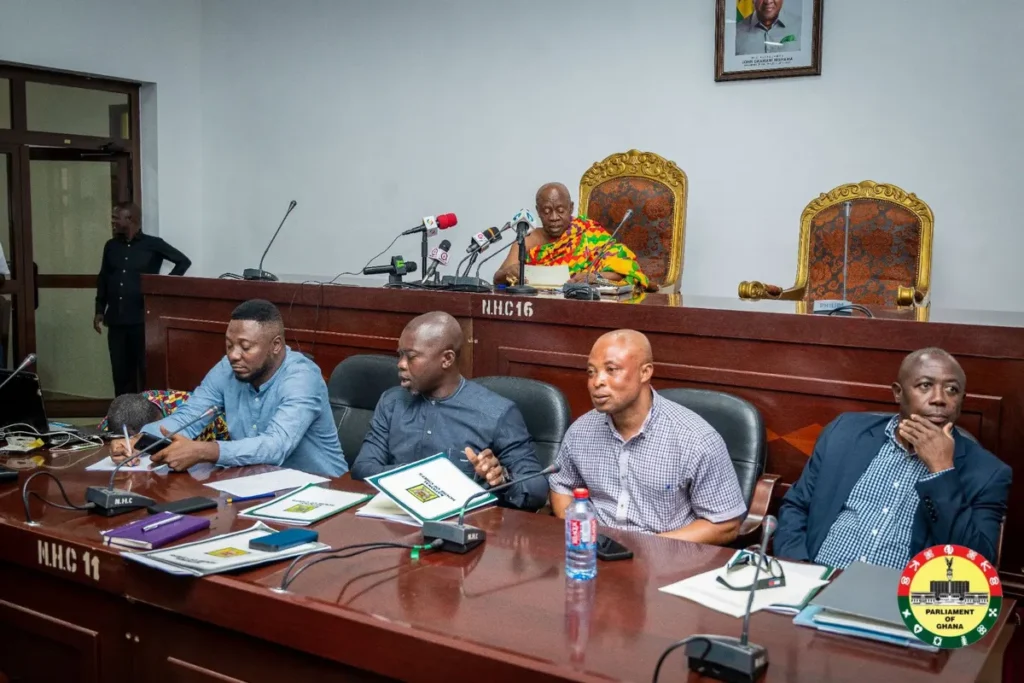
The Minister made the appeal during a stakeholder engagement with the Council in Kumasi ahead of the presentation of the 2027 Budget Statement on Thursday, November 12, 2026.
“The New Economy is the Government of Ghana’s four-year programme to transform the structure of the Ghanaian economy because the old pattern has obviously failed our people.”
Finance Minister Dr Cassiel Ato Forson
Dr Ato Forson called for a partnership with traditional authorities to build national support for the proposed transformation, stressing that the success of the initiative would depend on collective commitment and policies that create practical opportunities for citizens.
Government Seeks Support for a New Economic Direction
Explaining the purpose of the engagement, the Finance Minister disclosed that the government intended to secure the backing of the National House of Chiefs before unveiling the details of the New Economy programme in the 2027 Budget Statement.
He described the initiative as a vision to enable Ghana to produce more of what it consumes, add greater value to its natural and productive resources, and create sustainable prosperity.
According to him, the programme is not simply an economic policy announcement but a national undertaking that requires the participation of key institutions and stakeholders.
“This week, Thursday, I will present the details of the New Economy to the people of Ghana. But today, I’m here to secure partnership in a national purpose”.
Finance Minister Dr Cassiel Ato Forson
Dr Ato Forson maintained that Ghana needed to change its economic direction and adopt a development approach that gives local producers greater capacity to expand operations, reach wider markets and employ more people.
He argued that the country’s productive ambition must also respond to its growing population, making industrial expansion and stronger domestic production increasingly important to the country’s long-term development.
Reliance on Temporary Youth Employment Schemes Rejected
A central part of the Minister’s address focused on the need to create dependable employment opportunities for young people.
He questioned the long-term effectiveness of temporary employment arrangements, including the National Builders Corps (NABCO) and the Youth Employment Agency (YEA) models, arguing that such interventions could not independently resolve the country’s youth unemployment challenge.
Although he acknowledged that temporary schemes could provide immediate relief and work experience, Dr Ato Forson insisted that young people needed sustainable livelihoods that would extend beyond the duration of short-term placements.
“NABCO and YEA models cannot be a solution to create jobs for our young people,” he stated, adding that the country needed to move away from temporary arrangements towards a more productive economic system.
He stressed that young people should not have to move repeatedly from one temporary opportunity to another without gaining access to stable employment.
The Finance Minister described the creation of lasting jobs as a major responsibility for the administration, insisting that the ambition to improve young people’s livelihoods must influence government policies and decisions on public expenditure.
Youth Unemployment Poses a Growing Economic Challenge
Dr Forson warned that failure to address youth unemployment could deepen frustration among young people and create wider social consequences. He observed that increasing numbers of young Ghanaians were reaching working age without sufficient productive opportunities, despite the investments made in their education and training.
The Minister cautioned that unemployed young people represented unused productive capacity that the economy could not afford to neglect.
“If we fail to act today, employment is something that every young person is looking for, and so if we fail to act, today’s unemployed talent could grow into an explosive social crisis”.
Finance Minister Dr Cassiel Ato Forson
He urged the government and national stakeholders to act with urgency to convert the abilities of young people into productive opportunities.
Dr Ato Forson also raised concerns about the growing attraction of opportunities abroad, noting that some Ghanaian graduates and skilled workers leave the country in search of better prospects but struggle to find suitable opportunities to apply their training.
He argued that a transformed domestic economy should create conditions that allow young people to remain in Ghana, contribute their skills and build sustainable livelihoods.
Local Production and Industrialisation at the Centre of New Economy
The Finance Minister further explained that the New Economy would prioritise an environment in which Ghanaian businesses could expand production, improve quality, access larger markets and create employment.
He maintained that government investments and economic decisions must address the constraints facing local producers while strengthening their capacity to operate and grow.
Dr Forson said every public expenditure decision should be assessed against the opportunities it creates for Ghanaians, particularly in relation to production, employment and income generation.
“Every economic decision must answer a practical question: What opportunity will this create for the Ghanaian people? And what can we produce, work and earn.
“As your Minister for Finance, I will insist on discipline and value for money in every cedi the government expends, so that money can go to the local youths to benefit the people of Ghana”.
Finance Minister Dr Cassiel Ato Forson
Dr Forson linked the broader economic transformation agenda to the need to expand industrial capacity and position Ghana as a centre of production and opportunity in West Africa.
He argued that the country’s demographic growth must be matched by stronger productive capacity, rather than allowing the expanding population to outpace available economic opportunities.
Chiefs Asked to Support Ghana’s Long-Term Development Vision
Dr Ato Forson concluded his appeal by inviting the National House of Chiefs to support the government in building a national consensus around the New Economy initiative.
He emphasised that the programme’s success should be measured through tangible improvements in people’s lives, including access to dependable employment and the ability of businesses to create more jobs.
He cited the example of a young person securing a first stable job and a business employing another woman as practical outcomes that could improve household security and strengthen communities.

The Minister also connected the government’s ambition to Ghana’s approaching 70th anniversary of independence in 2027, expressing the hope that the country would use the next seven decades to achieve a higher level of national development.
He called for sustained cooperation between government and traditional authorities, describing their partnership as important to establishing a firm foundation for the country’s future.
The engagement forms part of the government’s consultations ahead of the 2027 Budget Statement, through which Dr Ato Forson is expected to outline the details of the four-year New Economy programme and its proposed direction for Ghana’s economic transformation.
READ ALSO: Malawi’s Solar Rules Put Ghana’s Net-Metering Progress In Focus