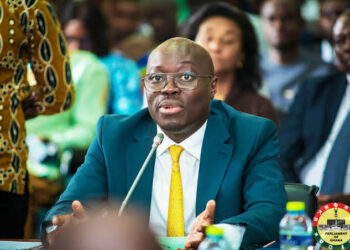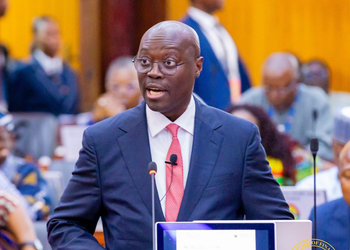
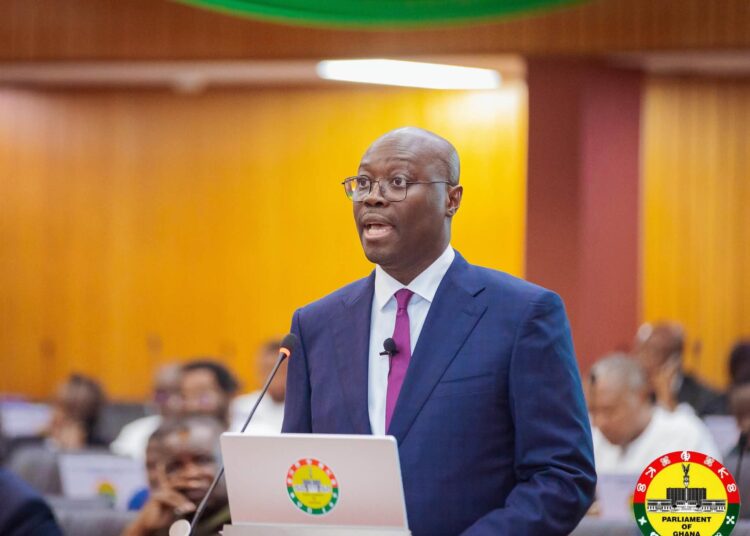
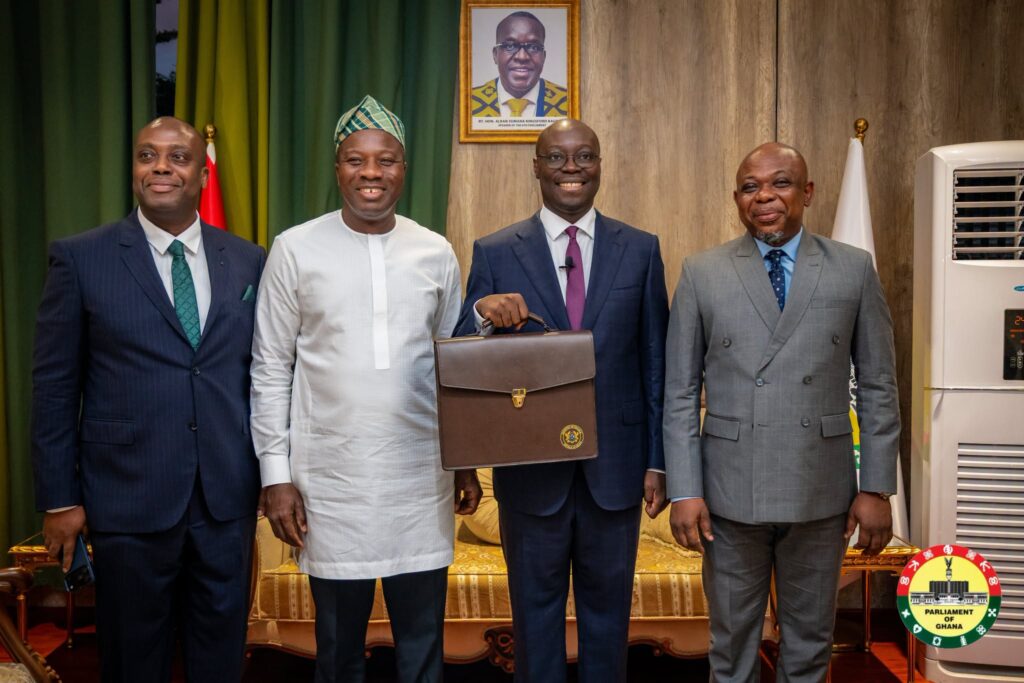
Ghana’s Finance Minister Dr Cassiel Ato Forson has allocated GH¢98.3 billion to capital expenditure (capex) in the 2027 Budget, more than the government plans to pay in interest or in wages and salaries. He presented the figures to Parliament on Thursday, November 12, 2026.
Dr Forson argued that the plan marks a shift from consumption to productive spending that can expand output, create jobs and raise incomes. Capital expenditure will make up 26.4 percent of total spending, and the government says Ghana must earn more tomorrow from what it invests today.
“This marks a decisive shift towards productive expenditure, putting more of Ghana’s money into the assets that will expand production, create jobs and raise incomes.”
Ghana’s Finance Minister Dr Cassiel Ato Forson
Capital Spending Overtakes Interest and Wages
The budget puts the GH¢98.3 billion against two big items. Interest payments come to GH¢61 billion, so capital spending exceeds them by over GH¢37 billion, or 61 percent. Wages and salaries total GH¢92.7 billion, which leaves capital spending ahead by over GH¢5.6 billion, or 6 percent.
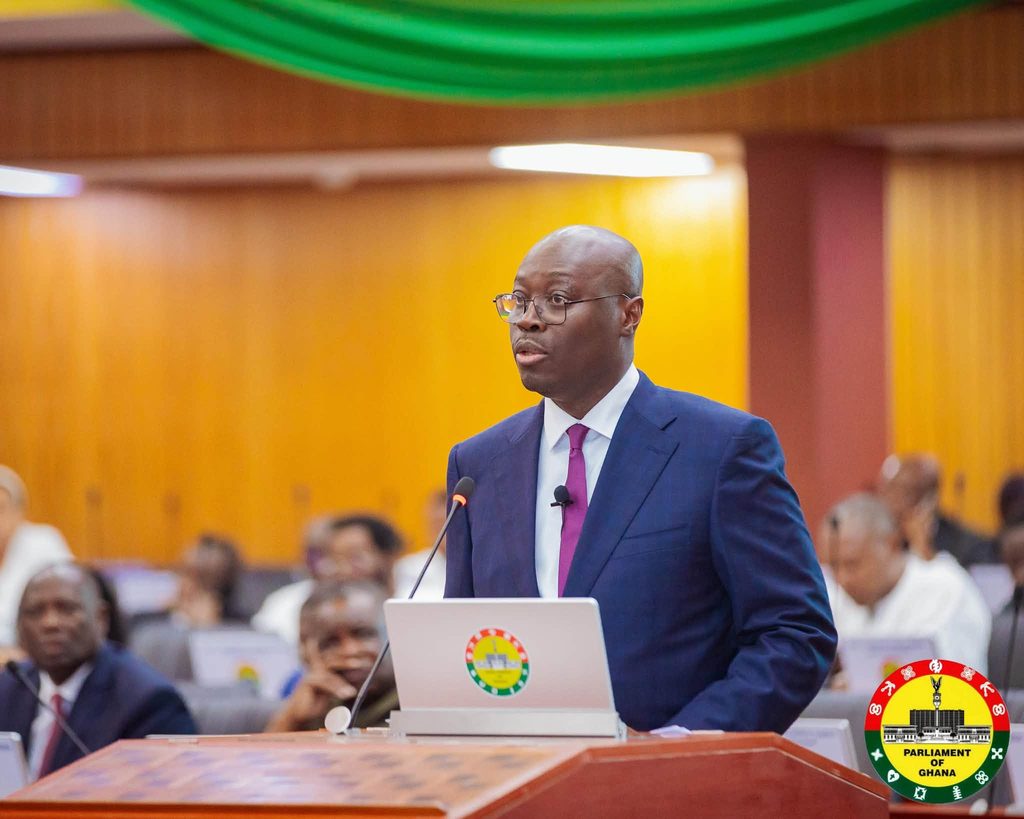
Capital spending alone will take 26.4 percent of total expenditure. Dr Forson described the allocation as a deliberate strategic shift away from a pattern of spending that centred on consumption and towards investment in productive capacity.
Total Capital Outlay Reaches GH¢120.5 Billion
The broader measure includes capital spending financed through transfers to other government units. On that basis, total capital expenditure rises to GH¢120.5 billion, equal to 6.7 percent of gross domestic product (GDP).
The gaps widen on that measure. The total sits over GH¢59.5 billion, or 98 percent, above the interest bill, and over GH¢27.8 billion, or 30 percent, above wages and salaries.
What the Money Is Meant to Build
Dr Forson linked the spending to specific assets. Irrigation and storage should help farmers raise output and cut losses. Better roads and dependable energy should help businesses reach markets and grow, and new schools and health facilities should strengthen the services people rely on.
The government will also honour its commitments to public servants as investment expands, he assured the House, because their work supports the education, healthcare and public services that a productive economy needs.
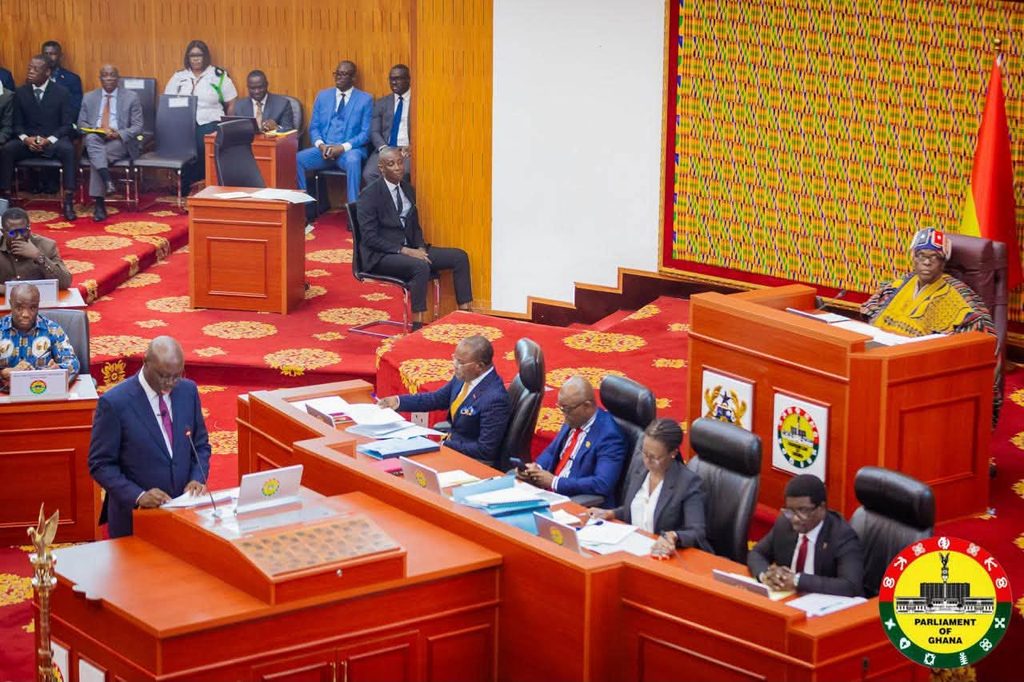
“Ghana must earn more tomorrow from the money we invest today.” For Dr. Forson, that return is the test of the strategy. The budget therefore puts productive investment at the centre of the push for jobs and prosperity.
Big Push and New Economy Take Large Shares
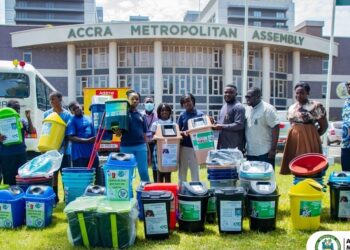
Two programmes absorb much of the capital money. The government has allocated GH¢29.8 billion to the Big Push in 2027 to speed up delivery of transport infrastructure, and Dr Forson recalled that deplorable roads had imposed a daily tax on workers, farmers and traders.
The New Economy programme receives GH¢30.0 billion to expand productive capacity and support jobs and better incomes.
The 24-Hour Economy Secretariat gets GH¢165 million to support the private sector-led 24-Hour Economy Programme, which its director says is working through job projects after one year. Officials say the policy aims to make Ghana an industrial powerhouse by 2035.
The expressway shows how the government pays for some of this work. The Finance Minister disclosed that $3 billion in full funding for the Accra-Kumasi Expressway is secured.
Analyst Calls the Budget Bold
Data analyst Alfred Appiah reacted to the numbers. He put capital spending at about 100 billion cedis against 61 billion cedis for interest, and he called it “a very bold budget.”
If the plan holds, he argued, 2027 would be the first full year since 2013 in which the government spends more on building than on paying interest on its debt. He added that in 2025 the government paid 2.47 cedis in interest for every cedi of capital spending.
The government’s case is that assets bring growth. Capital spending that expands production, creates jobs and raises incomes would lift output over time, and it would reduce the pull of consumption spending on the budget. The excerpt does not give a growth forecast, a jobs target or a timeline for returns.
Delivery will decide whether the shift pays off. CDD-Ghana has warned that the 24-Hour Economy and the Big Push will count for little unless they are accelerated, independently monitored and publicly reported, and youth unemployment among 15 to 24-year-olds stands at 32.4 percent.
Spending that reaches roads, farms and factories quickly would help close that gap, and money that stalls would not. Parliament will test the figures as it examines the budget, and the first year’s execution will show whether the GH¢98.3 billion turns into finished assets.
READ ALSO: Ghana’s Primary Surplus Hits 1.4% as Spending Tightens