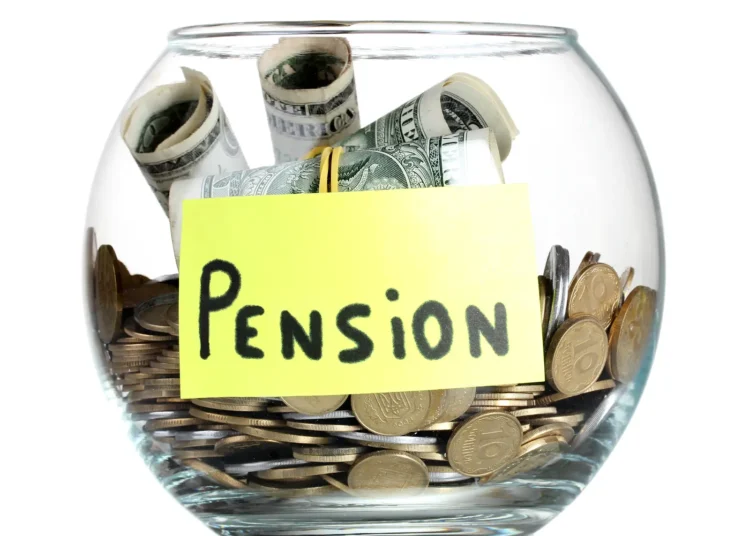
IMANI Africa has sounded alarm over the persistent abuse of Ghana’s pension system, warning that political interference continues to threaten the security of workers’ retirement savings.
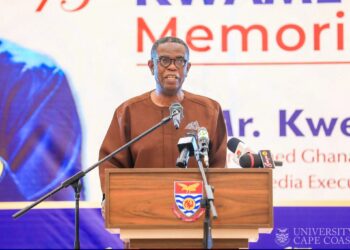
In a commentary by freelance writer and IMANI Africa associate, Kay Cudjoe, the think tank described Ghana’s pensions as a “stage where politicians perform cruelty disguised as reform.”
The warning comes against the backdrop of recent developments in Ghana’s financial and governance landscape, including unresolved concerns about the state’s handling of workers’ contributions. The analysis drew connections between past controversies and ongoing risks, stressing that the system remains vulnerable despite years of reform.
“They said pensions would be our safety net. That after years of sweat and sacrifice, there would be a cushion. Not luxury, not abundance, just enough dignity to hold a frail body upright in the evening of life. But in Ghana, this no longer the case”
Kay Cudjoe, Freelance Writer and IMANI Africa Associate
The most striking example, according to IMANI, remained the Domestic Debt Exchange Programme (DDEP) that pensioners endured in 2023. Then Finance Minister Ken Ofori-Atta described it as a “haircut,” but for many retirees, the outcome was devastating.
“They sat not in a barber’s chair, but in the blistering sun outside the Ministry of Finance,” Cudjoe recalled of the elderly citizens who demonstrated the DDEP by demanding the protection of their life savings under harsh conditions. He added that the cut was so deep “it sent some to early graves.”

IMANI stressed that the exercise was more than a fiscal adjustment, describing it as an assault on the dignity of senior citizens whose lifetime contributions were meant to provide them a basic cushion in old age.
Cudjoe traced the roots of pension mismanagement to the early years of the reformed system. As far back as 2012, he noted, the National Pensions Regulatory Authority (NPRA) was embroiled in controversy after successive chief executives fled the organisation amid claims of boardroom misconduct. Workers who had contributed since 2010 were left stranded without benefits.
By 2014, frustration among organised labour culminated in industrial action. Twelve unions, including health and education workers, embarked on strikes to protest the government’s handling of their pensions.
The response was a court order restraining the action, but the unions persisted. Doctors warned at the time that they would rather face imprisonment than surrender their pensions to political control.
The figures presented by officials only deepened mistrust. At different times, arrears were quoted as GHS 440 million, GHS 1.2 billion, GHS 1.64 billion, and GHS 2.1 billion – all within a short period. “It was as if the balance sheet had been turned into a hall of mirrors,” Cudjoe observed.

Recurring Loopholes
Even when the government made progress, the problems remained. In 2018, the state announced that GHS 3.1 billion had been paid into custodial accounts, a move touted as a major step forward.
Yet, almost simultaneously, the Cocoa Board’s Tier 3 pension scheme came under pressure from political influence. Trustees were reportedly forced to comply with directives from ministers who sought to appoint their allies as fund managers.
As of 2025, IMANI estimates that the pensions industry manages more than GHS 80 billion. While this represents the collective hope of millions of Ghanaian workers, the think tank fears that the sector has become a “trough” for political elites rather than a reliable foundation for retirees.
“Pension money is not state capital. It is sweat capital. It is the mason’s cracked palms, the nurse’s night duty, the teacher’s voice gone hoarse”
Kay Cudjoe, Freelance Writer and IMANI Africa Associate
IMANI argued that genuine reform requires more than rhetoric.
It recommended legal changes to ensure that only workers and their unions can appoint trustees, the ring-fencing of pension funds against state interference, and restructuring of the Social Security and National Insurance Trust (SSNIT) to reduce administrative costs and enhance transparency.
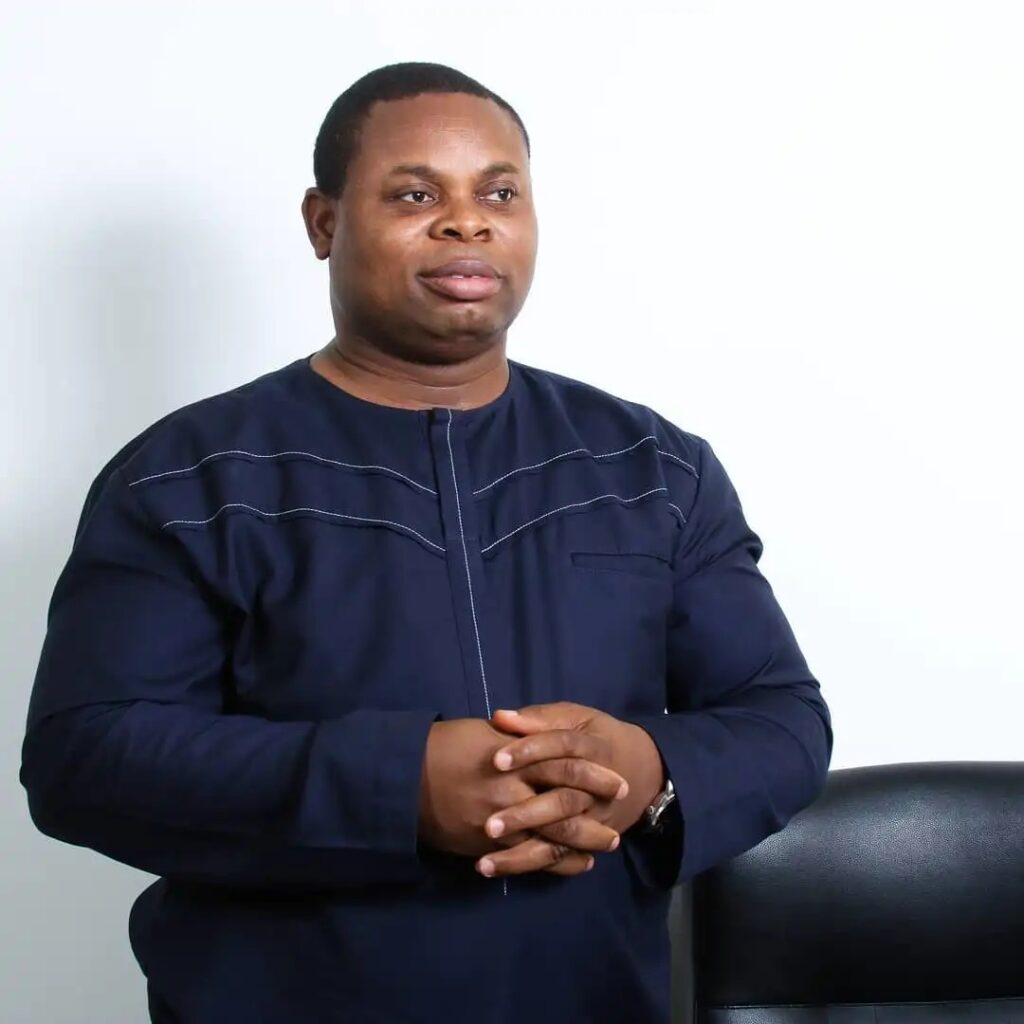
The think tank further urged the publication of quarterly dashboards detailing assets, returns, and breaches, as well as the criminalisation of political interference in pension governance. Without these safeguards, it warned, workers’ savings will remain exposed to reckless decision-making.
President John Dramani Mahama has pledged to reset governance in his current term. IMANI insisted that this agenda must extend to pensions, describing them as “the last dignity of Ghanaian workers” and a covenant between labour and the state.
“The so-called haircut was more than a fiscal measure. It was a public humiliation of the elderly. And until we repair that moral injury, no quarterly report, no press release, no assurance from a minister will restore confidence”
Kay Cudjoe, Freelance Writer and IMANI Africa Associate
For IMANI, the central message is that pensions are not political spoils. They represent the lifetime labour of Ghanaians and must be safeguarded with the highest level of accountability.
READ ALSO: Socrate Safo Calls For Creative Structure