The Chamber of Oil Marketing Companies (COMAC) has renewed calls for a comprehensive overhaul of Ghana’s downstream petroleum industry, cautioning that the ongoing debate over the petroleum price floor risks diverting attention from more fundamental regulatory and structural problems within the sector.
While acknowledging that the price floor policy has helped introduce a degree of order into fuel pricing, the Chamber insists it is not a cure-all. According to COMAC, an excessive focus on price controls could obscure deeper weaknesses that continue to undermine fair competition, enforcement, and long-term sustainability.
The Chamber stated, “The price floor has introduced a measure of order into the market, but it is far from a comprehensive solution,” adding that meaningful reform must go beyond pricing mechanisms.
COMAC argues that the sustainability of the downstream petroleum market depends more on compliance, oversight, and institutional discipline than on administratively set price limits.
The Chamber stressed that strengthening these foundations is essential to protecting public revenue, safeguarding consumers, and ensuring the long-term viability of the industry.
“Shifting the conversation towards compliance, oversight and long-term sustainability, rather than relying solely on price controls, is essential.”
Chamber of Oil Marketing Companies (COMAC)
Non-Compliance Distorting the Market
A major concern raised by COMAC is the persistent presence of non-compliant operators within the sector. The Chamber estimates that roughly 15 percent of petroleum volumes are controlled by operators that fail to meet regulatory requirements, a situation it says distorts competition and weakens enforcement.
According to COMAC, law-abiding oil marketing companies are placed at a disadvantage when non-compliant players are allowed to operate with minimal consequence. This, the Chamber warned, not only undermines fair competition but also poses a serious risk to government revenue mobilisation.
Unless these underlying deficiencies are addressed, COMAC cautioned that the price floor would remain a short-term stabilising measure rather than a durable solution to price volatility and inefficiencies.
The Chamber also raised red flags about the current licensing regime, arguing that it no longer reflects the operational realities and risks of the modern downstream petroleum market.
COMAC revealed that at least 53 inactive oil marketing companies and LPG marketing firms still hold valid licences, despite failing to lift products consistently.
“This situation skews competition and erodes regulatory authority,” the Chamber said, noting that inactive licences clog the market and weaken the credibility of oversight institutions.
To correct this, COMAC is proposing the withdrawal of licences from marketers that fail to lift products continuously over a six-month period.
It is also advocating stricter entry requirements for new operators, including proof of financial capacity and a demonstrable track record of regulatory compliance.
Call for Smarter Enforcement
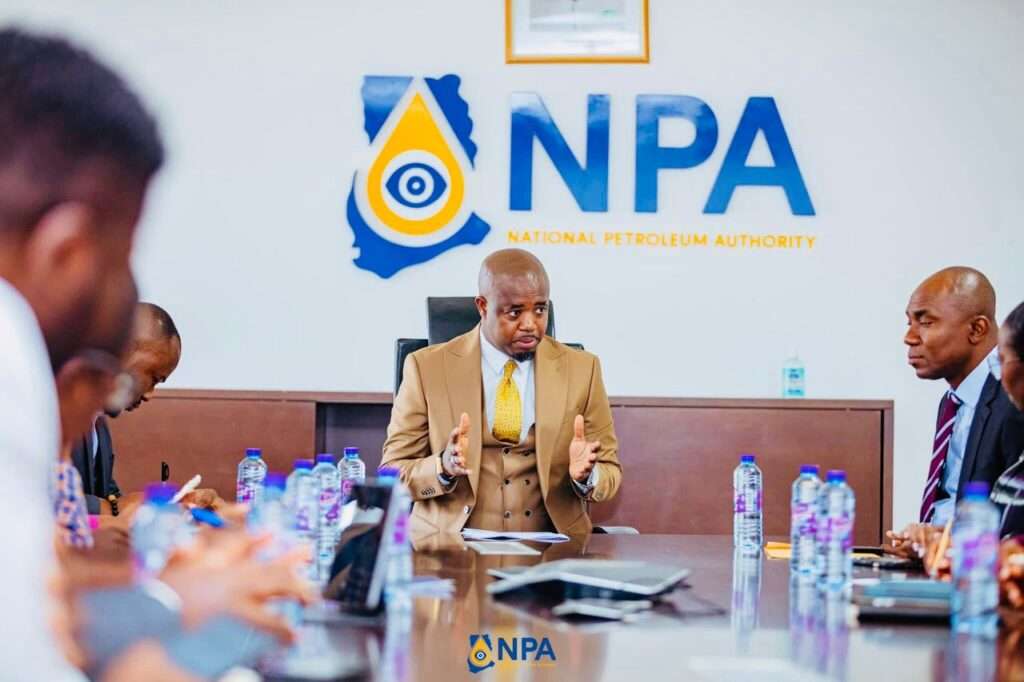
Beyond licensing reforms, COMAC is urging the National Petroleum Authority (NPA) to adopt a more robust and intelligent enforcement framework. The Chamber proposed a tiered sanctions regime that moves beyond routine financial penalties.
Under the suggested approach, initial breaches would attract formal cautions and mandatory compliance education, escalating to heavier fines, temporary licence suspensions, and eventual licence cancellations for repeat offenders. COMAC further recommended that final sanctions be publicly disclosed to reinforce accountability and deterrence.
The Chamber also called on the regulator to periodically reassess the deregulation policy, deepen structured engagement with industry stakeholders, and deploy digital compliance tools.
Systems such as functional Automatic Tank Gauging, it argued, would allow for real-time monitoring and improve transparency across the sector.
Market Congestion and Concentration
COMAC highlighted deeper structural imbalances arising from congestion and concentration within the downstream market. Although the sector appears crowded, the Chamber observed that market control is highly skewed.
According to its assessment, approximately 30 percent of operators account for more than 70 percent of total market throughput. This concentration, COMAC warned, intensifies price undercutting, compresses profit margins, and places smaller operators under severe financial strain.
To address these imbalances, COMAC called for a deliberate mergers and consolidation agenda. Such a strategy, the Chamber believes, would rationalise the market, reduce inefficiencies, and eliminate operators that fail to meet operational and compliance benchmarks.
“The way forward is unambiguous: sanitise the market, tighten enforcement, eliminate inactive licences and allow compliant competition to flourish.”
Chamber of Oil Marketing Companies (COMAC)
The Chamber maintained that these reforms are essential for the downstream petroleum sector to deliver sustainable value for the state, consumers, and investors, even as discussions around the price floor policy continue.
READ ALSO: Mahama Credits God for Ghana’s Rapid Economic Turnaround