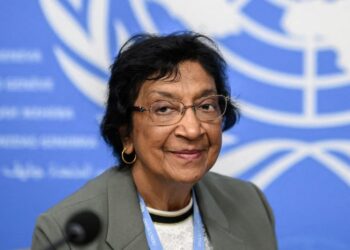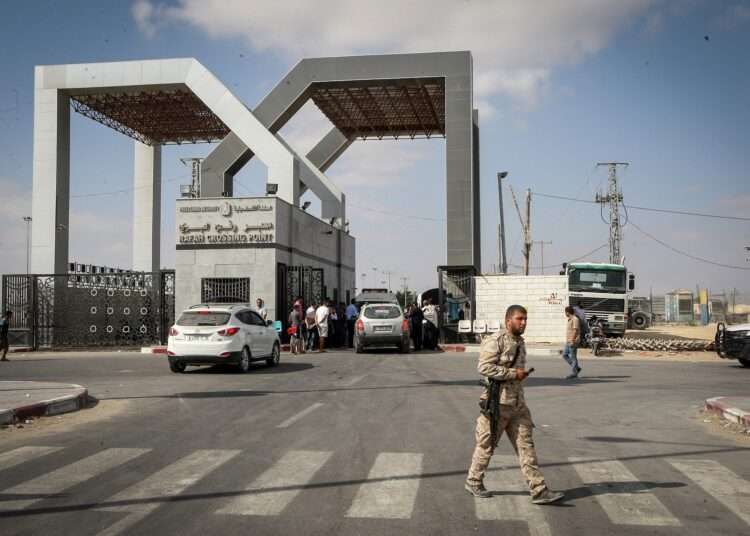
The EU’s Foreign Policy Chief, Kaja Kallas, has welcomed the reopening of the Rafah crossing, describing it as a “lifeline” for injured and sick Palestinian people in Gaza.
The crossing, the main gateway between Gaza and Egypt, was reopened in a limited capacity earlier today. On Sunday, Israeli officials said a trial opening of the crossing was carried out and completed.
In a post on X, Kallas, who coordinates the bloc’s foreign policy on behalf of the 27 national governments and the European Commission, noted that the opening of the Rafah crossing marks a concrete and positive step in the peace plan.

She added that the EU’s civilian mission is on the ground to monitor crossing operations and support Palestinian border guards.
“For Gaza’s sick and wounded, the reopening is a lifeline. It will allow families to reunite after far too long apart.
“Practical steps like this help move the truce plan forward and must continue. At the same time, Gaza remains in urgent need of aid. Its reconstruction will depend on Hamas’ demilitarization.”
Kaja Kallas
Also, Ali Shaath, the Head of a Palestinian technocratic committee established to oversee the day-to-day governance of Gaza said that Israel’s reopening of the Rafah border crossing offered a “window of hope” for Palestinians in the territory.
“This step is not merely an administrative measure; rather, it marks the beginning of a long process to reconnect what was severed and to open a genuine window of hope for our people in the Gaza Strip.”
Ali Shaath
The Rafah border crossing has largely been closed since May 2024. COGAT, the Israeli agency charged with administration of Gaza, said that the reopening is being coordinated with Egypt and the European Union.

The number of people moving through the crossing is expected to be very limited, with the restriction that only those travelling on foot can move across the border.
It added that the movement of Palestinians between Egypt and Gaza, permitted on foot only, would be allowed “only after prior security clearance by Israel,” with both Israel and Egypt imposing caps on the number of travellers crossing through the border. Earlier, COGAT said that it expects “movement of residents in both directions, entry and exit to and from Gaza.”
Many of those hoping to leave are sick and wounded people in need of medical care abroad but the process may be a slow one.
COGAT added that following initial identification and screening at the crossing crossing by the EU mission, there will be another screening process at a “designated corridor, operated by the defence establishment in an area under IDF control.”
Before the war, the Rafah crossing with Egypt was the only direct exit point for most Palestinian people in Gaza to reach the outside world as well as a key entry point for aid. It has been largely shut since May 2024.
UK Calls For More Efforts After Rafah Crossing Reopening
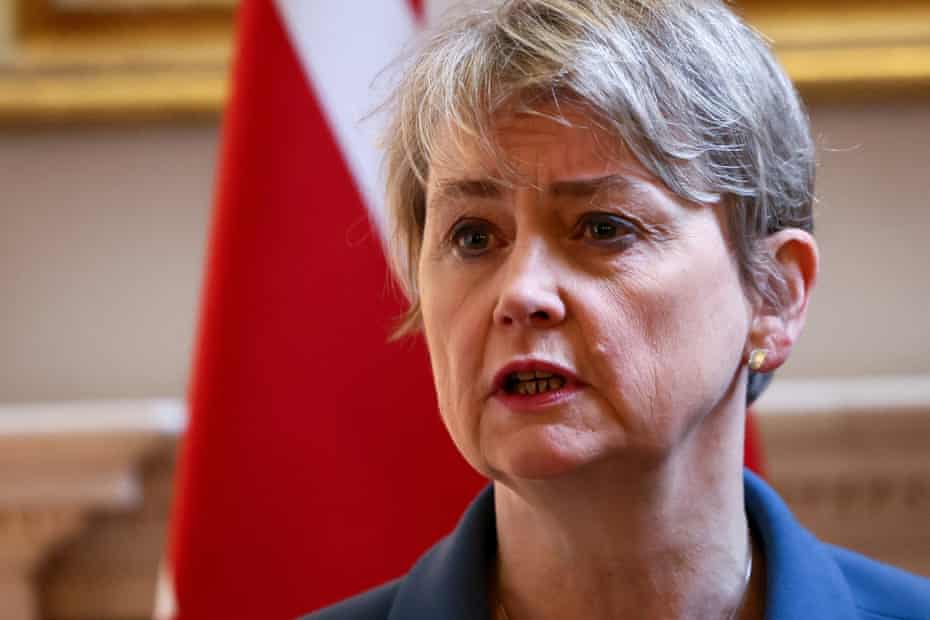
Moreover, the UK’s Foreign Secretary, Yvette Cooper, welcomed the limited reopening of the Rafah border crossing between the Gaza Strip and Egypt, but stressed that much more still needed to be done.
In a post on X, she stated, “I welcome Rafah reopening for people to cross both ways on foot, allowing some in desperate need to access medical care in Egypt but much more still needs to be done.”
She asserted that aid must flow in, restrictions on essential supplies must ease and aid workers must be allowed to operate.
Reopening the border crossing was a key requirement of the first phase of the US president Donald Trump’s plan to end Israel’s war on Gaza. It remains to be seen if and when the second phase of the ceasefire will take place.
READ ALSO: Starmer Orders Probe Into Mandelson’s Contact With Epstein