

Ghana’s largest industrial and commercial electricity consumers have mounted strong pressure on regulators to reform electricity tariffs and improve service reliability, warning that current pricing structures are undermining their competitiveness.
At a high-level stakeholder engagement convened by the Energy Commission, bulk customers argued that demand charges and other components of the tariff regime are misaligned with actual consumption patterns, creating financial strain for businesses operating in an already challenging economic environment.
The meeting, chaired by Mr Samuel Kwadwo Sarpong, Chairman of the Electricity Market Oversight Panel (EMOP), and Mr Anthony C. Bleboo, Director for Electricity and Natural Gas at the Energy Commission, brought together more than 15 bulk electricity consumers alongside regulators and sector institutions.
“We do not see ourselves as adversaries. Our role is to ensure that the market works for everyone: consumers, utilities, and the nation.
“When bulk customers speak, we listen. When they hurt, the economy hurts. That is why we are here.”
Mr Samuel Kwadwo Sarpong, Chairman of the Electricity Market Oversight Panel (EMOP)
His remarks set the tone for candid discussions about tariff structures, service delivery challenges, and the broader reform of Ghana’s electricity market.
Bulk customers, which include manufacturing firms, mining companies, and large commercial operators, are critical to job creation, export growth, and domestic value addition.
Participants stressed that rising electricity costs directly affect production expenses, pricing, and long-term investment decisions.
Calls for Tariff Reductions and Transparency
The central message from industry representatives was clear: electricity tariffs must be recalibrated to reflect operational realities.
Several stakeholders called for tariff reductions of up to 30 percent, particularly in relation to demand charges that they say disproportionately burden high-capacity users even during periods of lower consumption.
Participants argued that current pricing formulas do not adequately account for seasonal production cycles, downtime, or efficiency investments made by companies to manage energy use.
In addition to lower tariffs, bulk customers demanded greater transparency in how electricity prices are determined.
They called for clearer breakdowns of cost components, improved consultation ahead of tariff adjustments, and better alignment between pricing mechanisms and Ghana’s industrial policy goals.
Despite their concerns, stakeholders acknowledged areas where reforms have yielded positive results. The permitting process that allows bulk customers to participate directly in the wholesale electricity market was widely praised during the meeting.
One participant described the process as “clear, predictable, and efficient,” noting that regulatory clarity has made it easier for large consumers to explore alternative procurement options within the evolving electricity market structure.
The Electricity Market Oversight Panel and the Energy Commission were commended for facilitating structured dialogue and providing regulatory pathways that encourage competition and private sector participation.
Service Reliability Remains a Major Concern

Beyond tariffs, service reliability emerged as a pressing issue. Bulk customers cited frequent minor outages, voltage fluctuations, and delayed fault response times as significant operational risks.
Such disruptions, they noted, often result in production losses, equipment damage, and increased maintenance costs. For industries operating continuous processes, even short power interruptions can lead to costly shutdowns and reduced output.
Stakeholders also expressed frustration with communication practices by the Electricity Company of Ghana (ECG). According to several participants, bulk consumers are often treated similarly to residential customers despite their scale of operations and investment levels.
They called for clearer service-level agreements that define response times, quality standards, and accountability measures tailored specifically to high-volume consumers.
Regulators Commit to Reform
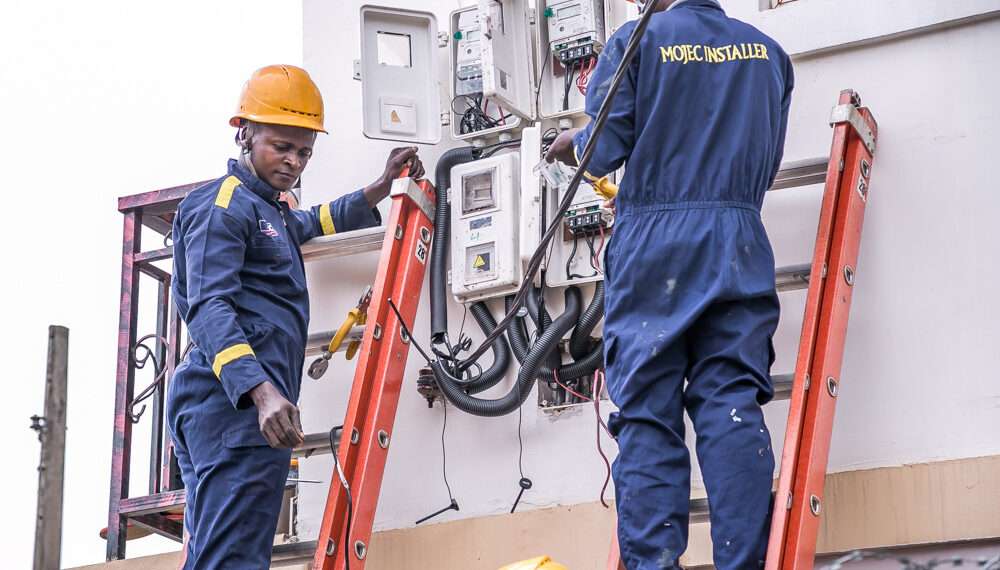
In response to the concerns raised, the Energy Commission announced that a technical review of bulk customer tariff structures is currently underway.
The review is expected to examine demand charges, cost allocation models, and potential adjustments to enhance fairness and competitiveness.
Mr Bleboo indicated that regulators are also working on developing service quality benchmarks to ensure measurable standards for reliability and fault response.
Additionally, regulators pledged to issue a joint circular with the Public Utilities Regulatory Commission (PURC) and ECG to clarify the rights and obligations of bulk customers within the electricity market framework. This move is intended to address ambiguities and strengthen institutional coordination.
With Ghana advancing its 24-hour economy agenda, discussions also touched on aligning off-peak tariffs with national productivity goals.
Stakeholders suggested that competitive off-peak pricing could incentivize extended industrial operations and support government’s broader economic transformation plans.
READ ALSO: Finance Minister Exposes Systemic Cocoa Crisis As COCOBOD Teeters