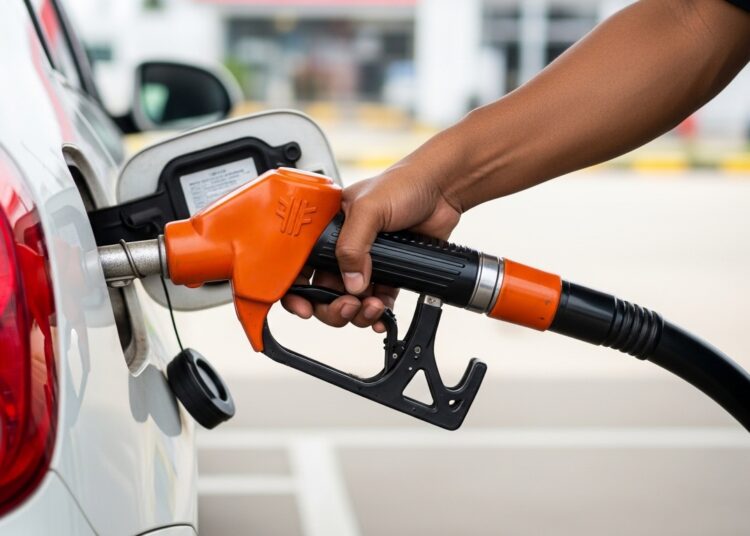
Motorists and households across Ghana are bracing for a slight increase in fuel prices from today, February 16, 2026, as the Chamber of Oil Marketing Companies (COMAC) projects marginal hikes in petrol, diesel and LPG.
The adjustment, driven by a weaker cedi and rising global oil prices, would mark the second upward movement at the pumps this year, although industry competition may soften the final impact on consumers.
According to the Chamber’s latest pricing outlook, which serves as a guide for oil marketing companies (OMCs), petrol, diesel and liquefied petroleum gas (LPG) are all expected to record slight upward adjustments at the pumps.
“Petrol prices could increase by up to 1.97 per cent from February 16, with a litre likely to sell at around GH¢11.97.
“Diesel prices are projected to rise by 2.73 per cent to about GH¢13.09 per litre, while Liquefied Petroleum Gas (LPG) is expected to increase by 3.26 per cent to approximately GH¢13.93 per kilogram.”
Chamber of Oil Marketing Companies (COMAC)
Despite the projected hikes, the Chamber noted that prevailing market conditions could help limit the scale of the increases.
“An oversupply of refined petroleum products in the local market could help moderate the increases, resulting in only marginal adjustments at the pumps during the upcoming pricing window.”
Chamber of Oil Marketing Companies (COMAC)
Currency Depreciation and Global Oil Prices Drive Outlook
The anticipated increases are primarily attributed to the recent depreciation of the Ghana cedi and upward movements in international crude oil prices.
During the February 1 pricing window, the cedi weakened from GH¢10.90 to GH¢10.98 against the US dollar, reflecting a 0.77 per cent depreciation.
Although the drop appears modest, exchange rate fluctuations directly influence the cost of imported refined petroleum products, which are priced in dollars.
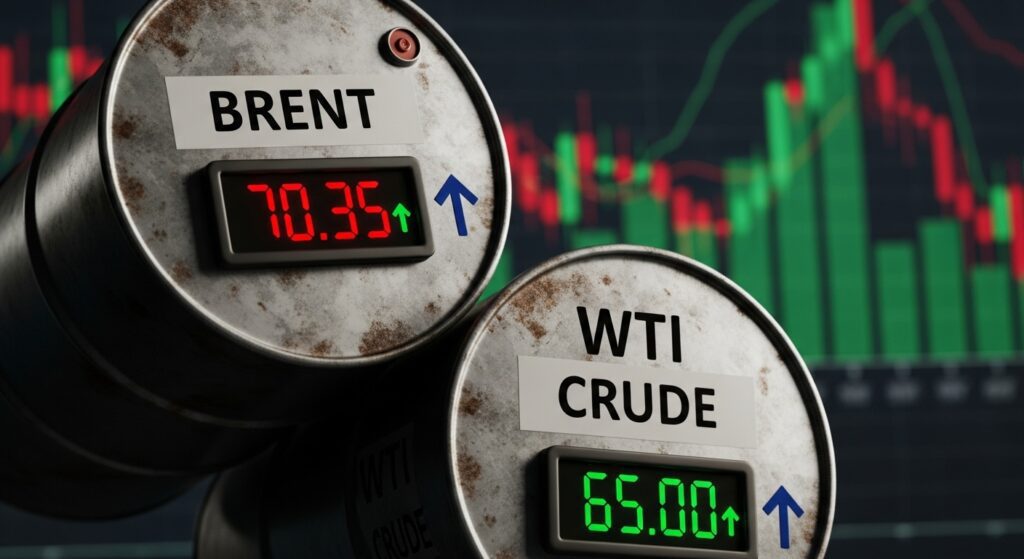
On the global front, crude oil prices have risen by more than 5 per cent and are currently trading close to US$70 per barrel. This upward trend has filtered through to finished petroleum products. Petrol prices on the international market increased by 4.17 per cent, gas oil by 5.57 per cent and LPG by 6.18 per cent.
Together, these external pressures have shaped the pricing outlook for the second half of February.
Competition May Temper Pump Adjustments
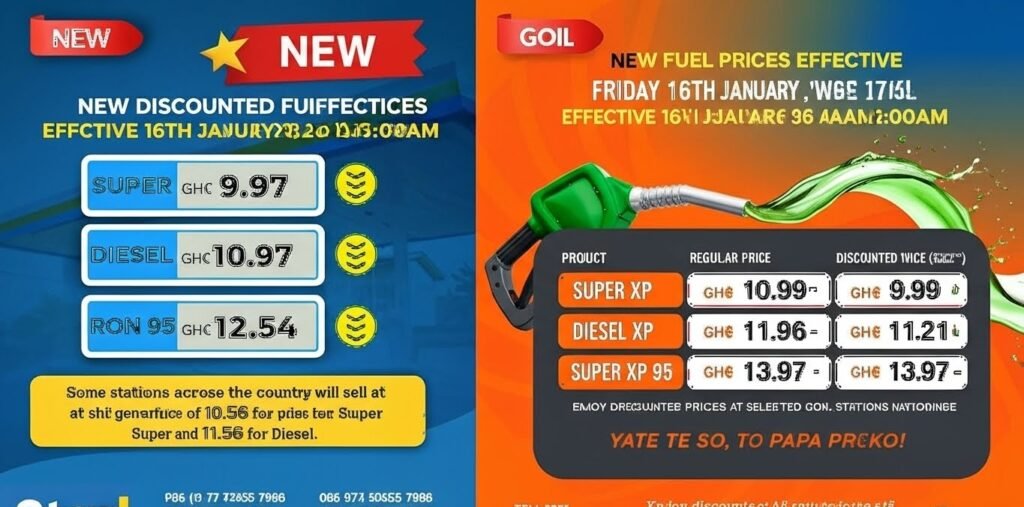
While the pricing indicators point toward increases, competition within Ghana’s deregulated downstream petroleum sector may influence how quickly and to what extent pump prices are adjusted.
COMAC observed that strong competition among OMCs could result in some companies maintaining existing prices in the short term. Industry sources suggest that certain marketers may delay implementing new prices from February 16 as they monitor the decisions of dominant market players.
This competitive dynamic has, in previous pricing windows, led to variations across different filling stations, even when projected increases are announced.
Additionally, COMAC disclosed that it has received assurances from the Bank of Ghana regarding efforts to maintain overall price stability.
The Chamber said the central bank “remains committed to maintaining price stability while supporting economic growth,” a stance that could help cushion future currency-related cost pressures.
Reminder on Approved Price Floors
Ahead of the new pricing window, COMAC has reminded OMCs and LPG marketing companies (LPGMCs) to strictly comply with the approved price floors under the Petroleum Products Pricing Guidelines.
According to a notice issued by the National Petroleum Authority (NPA), the minimum ex-pump prices are set at GH¢10.24 per litre for petrol (PMS), GH¢11.34 per litre for diesel (AGO), GH¢9.43 per kilogram for LPG, GH¢10.45 per litre for marine gas oil (MGO Local) and GH¢9.21 per litre for kerosene.
COMAC clarified that these price floors exclude premiums charged by international oil trading companies, as well as the operating margins of bulk import, distribution and export companies (BIDECs). Marketers’ and dealers’ margins are also determined independently in line with the established pricing guidelines.
The Chamber emphasised that adherence to the approved price floors is essential to ensure fairness and transparency across the downstream petroleum industry.
COMAC stressed that compliance with the pricing framework is critical to maintaining stability in the fuel market and protecting consumers from arbitrary price distortions.
In a sector where pump prices directly influence transportation costs, logistics, food prices and overall inflation, even marginal increases can have ripple effects across the broader economy.
While the expected increases are described as marginal, their impact will depend largely on how individual companies balance competitive pressures with prevailing market fundamentals.
READ ALSO: Africa’s Prosperity Not a Threat to the World – President Mahama