
Ghana’s local currency has once again received strong backing from the central bank at a time when digital assets and blockchain innovation are gaining traction across the globe.
The Bank of Ghana has assured the public that the Ghana cedi remains the foundation of the country’s monetary system despite the rapid evolution of virtual assets and financial technology.
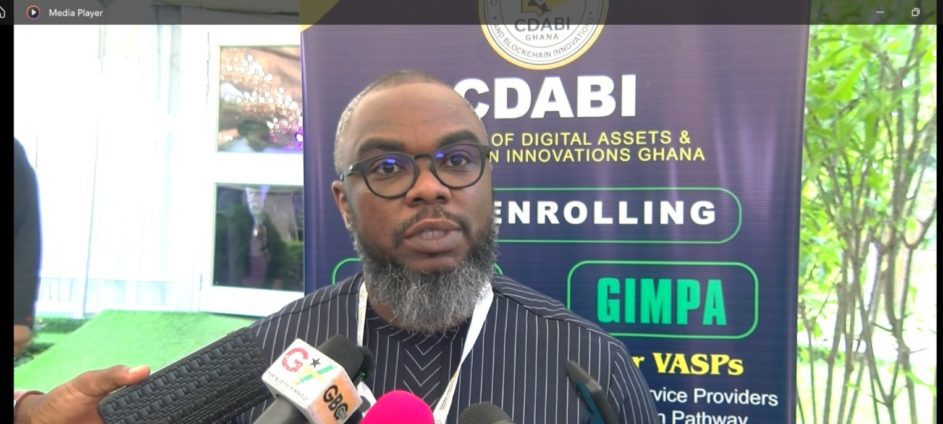
Speaking at the inaugural Ghana Virtual Assets and Financial Services Symposium organised by the Chamber of Digital Assets Ghana and Blockchain Innovation Ghana Chapter, the Acting Head of FinTech and Innovation at the Bank of Ghana, Owuraku Asare, made it clear that digital progress will not replace the national currency.
“Digital innovation is not designed to relegate the Ghana cedi. Our mandate is to ensure that innovation happens within a regulated framework that protects monetary stability and safeguards the financial system.”
Owuraku Asare
His remarks come at a time when conversations around cryptocurrencies, blockchain platforms, and tokenised financial systems are becoming increasingly common in Ghana’s financial sector. While many countries are grappling with how to regulate virtual assets, the Bank of Ghana is positioning itself as both open to innovation and firm on stability.
Balancing Innovation with Stability
Digital financial tools are transforming economies worldwide. From cross border payments to decentralised finance, new technologies promise faster, cheaper, and more inclusive financial services. Ghana is not immune to these changes. The country has witnessed growing interest in digital wallets, fintech startups, and blockchain based platforms.
However, central banks globally remain cautious about the risks associated with unregulated digital assets. These risks include volatility, fraud, capital flight, and threats to monetary sovereignty. For Ghana, where macroeconomic stability remains a top priority, safeguarding the cedi is essential.
Mr. Asare emphasised that while innovation is welcome, it must operate within clear boundaries.
“We are open to innovation, but it must be responsible innovation. The Bank of Ghana will continue to engage stakeholders to ensure financial stability is not compromised.”
Owuraku Asare
His comments reflect a broader regulatory philosophy. Rather than shutting the door on digital assets, the central bank appears committed to shaping a controlled and collaborative ecosystem. By engaging fintech operators, policymakers, and industry players, the Bank aims to ensure that technological progress strengthens rather than weakens Ghana’s financial architecture.
Industry Calls for Strategic Action
While regulators focus on stability, industry players are urging Ghana to seize the economic opportunities presented by digital assets. The President of the Chamber of Digital Assets Ghana and Blockchain Innovation Ghana Chapter, Caleb Kweku Afaglo, stressed the importance of positioning Ghana competitively in the evolving digital economy.
“Ghana cannot afford to be left behind in the digital assets space,” he said. “With the right policies and collaboration between regulators and industry players, this sector can contribute significantly to job creation, investment inflows and financial inclusion.”
His remarks highlight the dual narrative shaping Ghana’s digital finance conversation. On one hand, there is caution and regulatory vigilance. On the other, there is optimism about innovation driven growth.
Blockchain technology, virtual assets, and tokenised systems are increasingly being viewed as tools that can improve transparency, enhance efficiency, and unlock new funding models. Advocates argue that, if properly regulated, these tools could attract foreign investment, support startups, and deepen financial inclusion, particularly among underserved populations.
A Collaborative Path Forward
The symposium brought together regulators, fintech operators, policymakers, and other stakeholders to explore how Ghana can leverage digital innovation while protecting its monetary framework. Such engagements signal a willingness to collaborate rather than confront.
For many observers, the reassurance from the Bank of Ghana provides needed clarity. In recent years, speculation has grown around whether digital currencies could eventually challenge traditional money. The central bank’s message is firm. The cedi remains the legal tender and the core instrument for monetary policy implementation.
This position is crucial for maintaining confidence. Currency confidence plays a central role in economic stability. When businesses and households trust the national currency, economic planning becomes more predictable. Investment decisions, savings behavior, and credit systems all depend on that trust.
By clearly stating that digital innovation is complementary rather than competitive, the Bank of Ghana is seeking to preserve that confidence while allowing room for technological advancement.
Protecting Monetary Sovereignty
At its core, the debate is about sovereignty and stability. Central banks are tasked with controlling inflation, managing liquidity, and maintaining financial system soundness. If alternative currencies operate outside regulatory oversight, they can weaken policy effectiveness.
The Bank’s approach signals that virtual assets will not operate in a vacuum. Regulatory frameworks are expected to define operational limits, reporting standards, and compliance requirements. This ensures that innovation does not undermine the country’s macroeconomic goals.
READ ALSO: Government Raises Public Land Lease Premiums to 70% Market Value