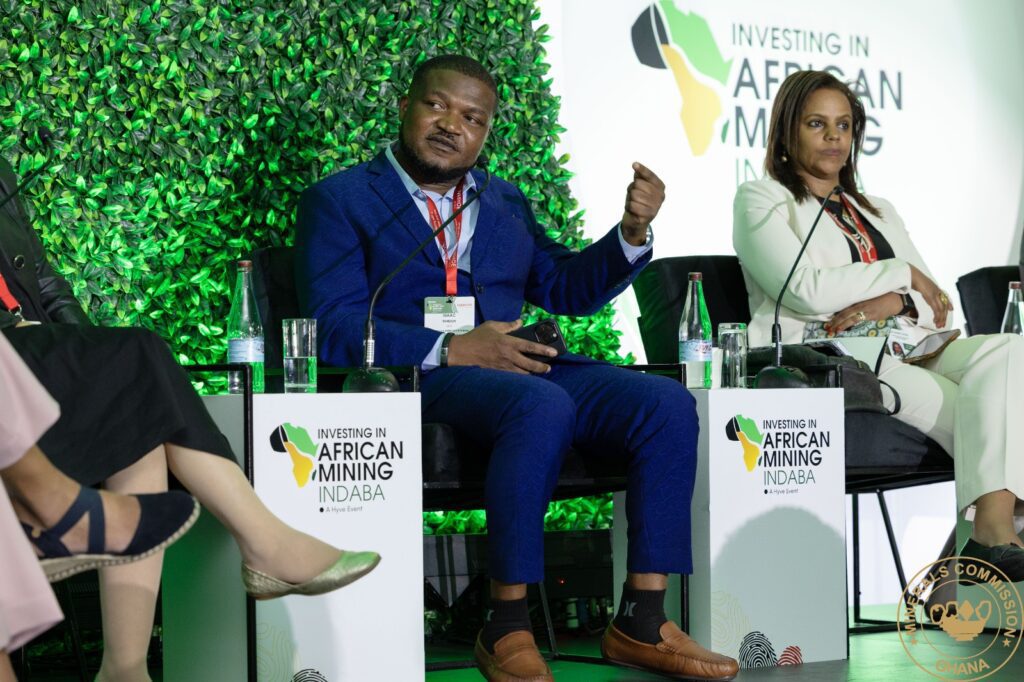
Dr. Steve Manteaw, renowned policy analyst, has called on the Minerals Commission to establish a dedicated Local Content Fund.
This proposed financial mechanism, drawing inspiration from the existing framework in the upstream petroleum sector, is designed to provide the necessary capital and credit facilities for Ghanaian businesses aiming to capture a larger share of the mining industry’s multi-billion-dollar procurement list.
“The Minerals Commission should consider establishing a local content fund, similar to what pertains in the oil and gas sector, to support Ghanaian businesses desirous of taking advantage of the mining procurement list.”
Dr. Steve Manteaw
Dr. Manteaw highlighted the current gap between regulatory intent and the financial capacity of local enterprises to meet the stringent demands of global mining firms.
He argued that while the local procurement list identifies specific goods and services reserved for Ghanaians ranging from grinding media to calico sacks the lack of affordable financing remains a structural barrier.
The analyst urged that as government considers mining sector reforms, institutionalizing a Local Content Fund, would empower domestic manufacturers to scale up their technological and operational capabilities to ensure that wealth generated from the country’s mineral resources does not merely pass through the economy but is retained through a robust local supply chain.
Strategic Alignment and Industrial Policy Integration
Beyond financial support, the policy expert emphasized the urgent need for a cohesive national strategy that aligns mining procurement with broader industrial initiatives.
Dr. Manteaw noted that the success of government programs such as One District One Factory (1D1F) and the 24-Hour Economy is contingent upon their integration with the extractive sector’s demand.
He cautioned that it is economically counterproductive to import basic inputs like activated carbon which can be produced locally from palm kernel and coconut shells when domestic industries are seeking markets.
To bridge this gap, he proposed that the Ghana Standards Authority develop rigorous quality systems and protocols.
This would ensure that locally manufactured bolts, nuts, and other inputs meet international “standard benchmarks for mine inputs,” thereby fostering investor confidence and preventing the “nationalistic sentiments” that can sometimes deter foreign direct investment.
Enhancing Value Retention through Policy Reform
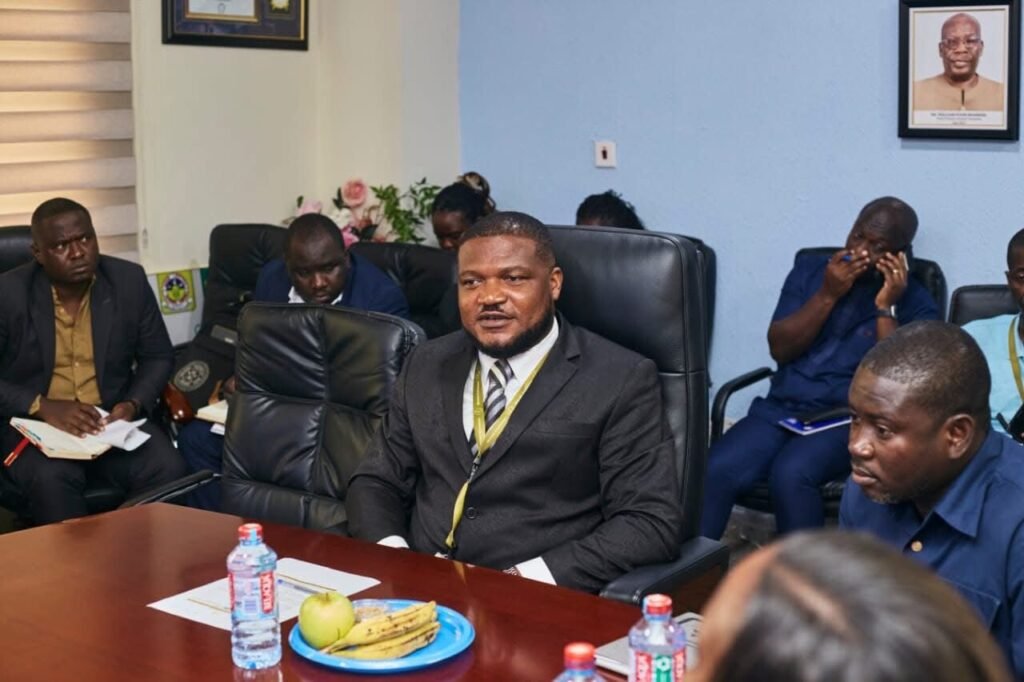
A central pillar of the proposed “way forward” is the amendment of existing local content laws to prioritize mineral beneficiation. Dr. Manteaw argued that the current model focuses too heavily on upstream participation and must shift toward value addition to create sustainable jobs and enhance export revenue.
By requiring mining companies to list shares on the Ghana Stock Exchange and allowing for state acquisition of paid equity in profitable ventures, the country can ensure “greater value retention in the Ghanaian economy.”
In his final appeal to regulators, Dr. Manteaw urged the Minerals Commission to work in tandem with the Ministry of Trade and Industry to develop a “time-bound action plan.”
This roadmap is essential to guide the implementation of the 24-Hour Economy within the mining space, transforming the sector from a traditional enclave into a catalyst for holistic national development.
READ ALSO: TMA Demands Urgent Reforms To Salvage Garment Sector