Dr. Kweku Opoku-Agyemang, a prominent development economist, has highlighted a historic shift in the global financial order where gold has officially overtaken the US Dollar as the world’s top reserve asset, describing the development as an overwhelmingly positive windfall for gold-producing nations like Ghana.
This monumental transition is backed by data showing that foreign central banks now hold over $4 trillion in gold, surpassing the $3.9 trillion held in US Treasuries for the first time since 1996.
For Ghana, this represents a major tailwind for export revenues, foreign exchange reserves, and overall macroeconomic stability, as the precious metal now dominates more than 50% of the nation’s merchandise exports.
“It’s not just higher prices; it’s structural demand supporting a commodity super-cycle that directly bolsters our economy’s strengths. The country is not there yet, but it has probably never been closer to making a significantly more comfortable standard of living a reality once and for all. This is precisely the moment for such countries to aggressively tackle their deeper, structural challenges.”
Dr. Kweku Opoku-Agyemang
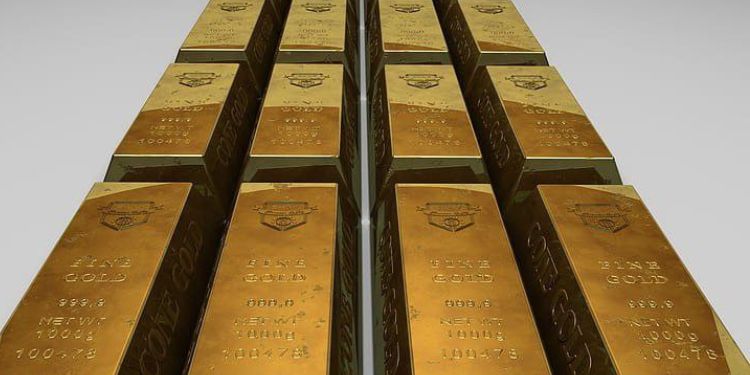
Dwelling on this structural shift, the economist noted that unlike temporary price spikes, the current surge is driven by strategic and ongoing buying from nations such as China, India, and Turkey, providing a permanent price floor.
While the US Dollar remains the primary currency for global trade and finance maintaining 56.9% of global foreign exchange reserves according to IMF COFER, its dominance as a “stored asset” is facing its strongest competition in 30 years.
This “slow erosion” of dollar dominance reinforces gold’s role as a neutral asset in a fragmenting world, directly strengthening the cedi and easing debt servicing for net producers like Ghana.
Capitalizing on the Gold Super-Cycle through GoldBod
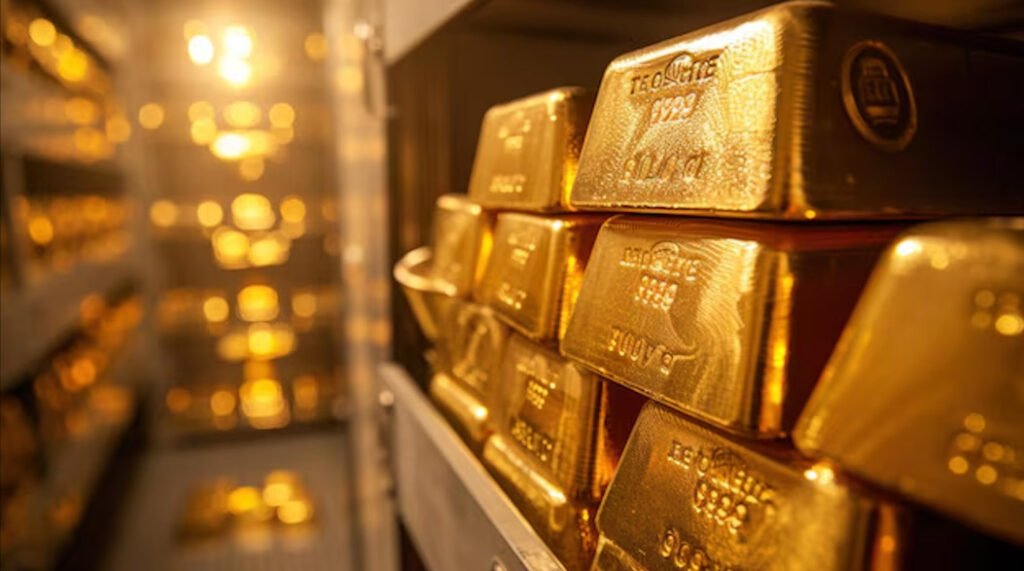
To maximize the gains from this new era, Ghana is positioned to leverage “smart domestic reforms” such as the Gold Board (GoldBod) to formalize and streamline the extractive value chain.
By integrating small-scale miners into the formal economy and ensuring that more value is retained locally, the country can transform higher earnings per ounce into sustainable fiscal income.
This institutional framework is essential for capturing the upward pressure on gold prices, ensuring that increased production translates into tangible infrastructure development and employment opportunities rather than just raw export figures.
Strengthening the Cedi and Debt Sustainability

The transition of gold into the world’s premier stored asset offers Ghana a unique opportunity to build robust foreign exchange buffers that protect the cedi from external shocks.
With gold now serving as a more stable reserve than traditional fiat currencies in the eyes of many central banks, Ghana’s status as a top producer allows it to “build buffers” that simplify the servicing of international debt.
This structural demand provides a cushion for the economy, allowing the government to negotiate from a position of strength and reduce the volatility that has historically plagued the national currency.
Addressing Structural Challenges for Long-term Prosperity

Dr. Opoku-Agyemang emphasized that while the “commodity super-cycle” provides the momentum, it is up to the nation to go “all out” against its most complex internal challenges to ensure a lasting legacy.
This involves aggressive investment in human capital and the diversification of the economy to ensure that the gold windfall catalyzes growth in other sectors.
By tackling deep-seated structural hurdles now, Ghana has its best chance since the 1960s to achieve a significantly more comfortable standard of living for all citizens, turning a “neutral asset” into a foundation for national transformation.