

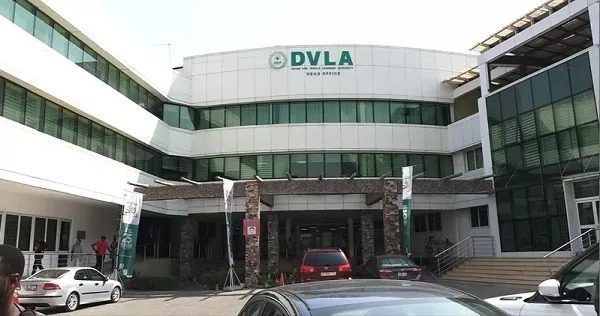
The Driver and Vehicle Licensing Authority has moved to clarify widespread public misconceptions surrounding its plan to extend selected driver licensing services to Ghanaians living abroad, stressing that no domestic staff will be deployed outside the country to facilitate the initiative.
In a formal statement issued in response to what it described as misleading media headlines, the Authority explained that the extended services would be delivered through Ghana’s diplomatic missions, not through the physical relocation of DVLA personnel to foreign countries. Management said the clarification was necessary to allay public concerns and to ensure accurate understanding of the scope and structure of the programme.
According to the DVLA, the initiative is part of a broader effort to make essential public services more accessible to Ghanaian citizens in the diaspora while maintaining operational efficiency and cost discipline at home.
The Authority disclosed that the programme is being implemented in collaboration with the Ministry of Foreign Affairs and Regional Integration, leveraging Ghana’s embassies and high commissions as service points for eligible applicants.
Under the arrangement, selected services such as the issuance of International Driver’s Permits and the renewal of Ghanaian driver’s licences will be made available to qualified Ghanaians residing abroad. The pilot phase will be rolled out in the United States of America, Canada, Germany, The Netherlands, and the United Kingdom.

DVLA management emphasized that embassy staff in these countries will not be issuing licences independently. Instead, officers at the missions will be trained to verify applicants’ documents and transmit them securely to the DVLA headquarters in Ghana for processing.
Once processed, the completed documents will be returned to the respective embassies for collection by applicants. “This operation does not in any way mean that DVLA will post its domestic staff to work at embassies abroad, as some reports have suggested,” the Authority stated.
Addressing Misleading Reports
The DVLA expressed concern about the manner in which the initiative had been reported in sections of the media, noting that inaccurate headlines had created the false impression that the Authority was preparing to deploy staff overseas at significant public cost.
Management stressed that the entire model was designed to avoid such expenditure while still improving service delivery. By relying on existing embassy personnel and digital verification systems, the DVLA said it would minimize logistical and financial burdens on the state.
Officials indicated that the clarification was also intended to reassure domestic staff and the general public that the initiative would not disrupt local operations or divert human resources from service delivery within Ghana.
The Authority explained that the decision to extend licensing services abroad responds to long standing challenges faced by Ghanaians in the diaspora, many of whom have struggled to renew licences or obtain International Driver’s Permits without travelling back home.
By bringing these services closer to citizens abroad, the DVLA believes it can improve compliance with licensing requirements, reduce the use of expired documents, and curb potential abuse of the system.
Management noted that similar diaspora focused service models have been successfully adopted by other public institutions and that the DVLA’s approach aligns with government efforts to modernize public service delivery through digitalization and institutional collaboration.
Training and Verification Processes
As part of the implementation plan, the DVLA will provide structured training for designated embassy staff to ensure proper document verification and adherence to established protocols. The Authority said the verification process would focus on authenticity, eligibility, and compliance with Ghanaian licensing regulations.
Applications that pass verification at the embassy level will be transmitted electronically to the DVLA for processing. This centralized processing, according to the Authority, preserves the integrity of the licensing system and ensures that standards are uniformly applied. Management stressed that embassies would serve strictly as facilitation points and not as licensing authorities.
The DVLA reiterated its commitment to transparency and open communication, encouraging journalists and members of the public to seek clarification directly from its Corporate Affairs Department before publishing or circulating information about its operations.
“We practice an open-door policy and welcome engagement that helps the public understand our work better,” the statement said. The Authority added that accurate reporting is essential to maintaining public trust, particularly as institutions roll out reforms aimed at improving efficiency and service access.
Serving Ghanaians at Home and Abroad
DVLA management framed the initiative as part of a broader agenda to place public services closer to the people, whether they reside in Ghana or abroad. Officials said the extended licensing services reflect the Authority’s mandate to promote road safety, regulatory compliance, and convenience for citizens.

While the pilot phase will focus on selected countries, the DVLA noted that the programme could be expanded in the future, subject to evaluation and resource considerations.
For now, the Authority maintained that its priority is to ensure a smooth rollout of the pilot, correct public misconceptions, and demonstrate that improved service delivery does not necessarily require increased public spending.
As Ghana continues to deepen engagement with its diaspora, the DVLA said its approach balances innovation with prudence, ensuring that overseas licensing services are delivered efficiently without exporting staff or compromising domestic operations.
READ ALSO: Ghana’s Foreign Reserves Hit $13.8bn, Targets 15-Month Reserve War Chest