
Volta Aluminium Company (VALCO) has achieved a significant financial milestone, recording a total revenue exceeding $120 million for the 2025 fiscal year.
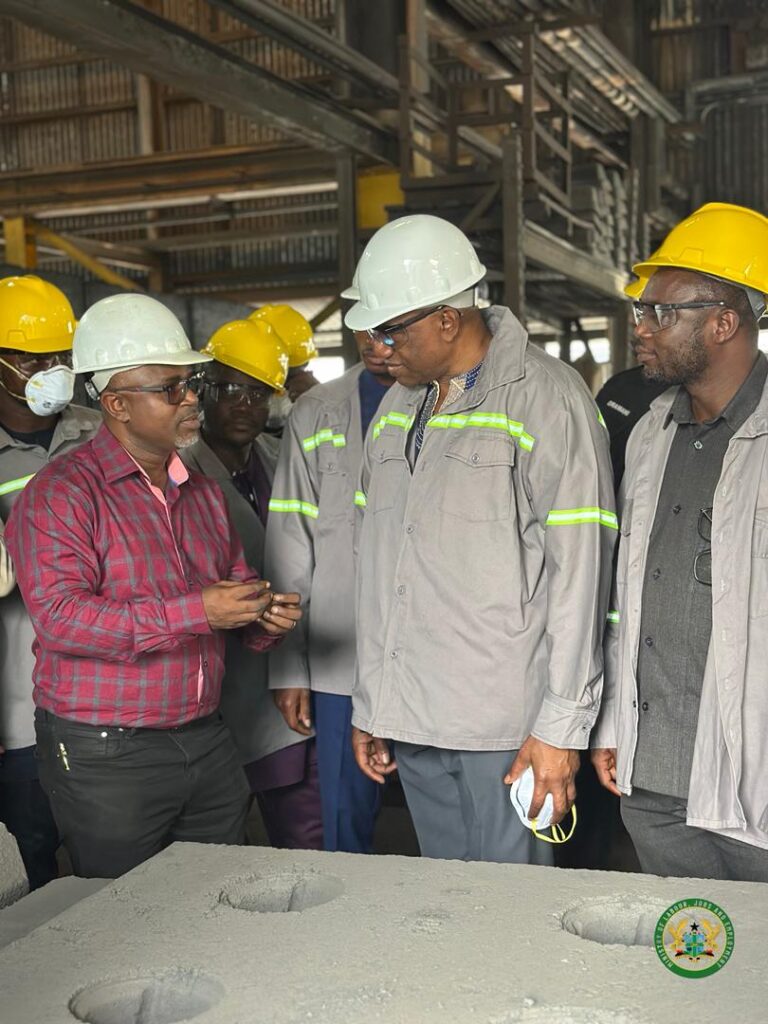
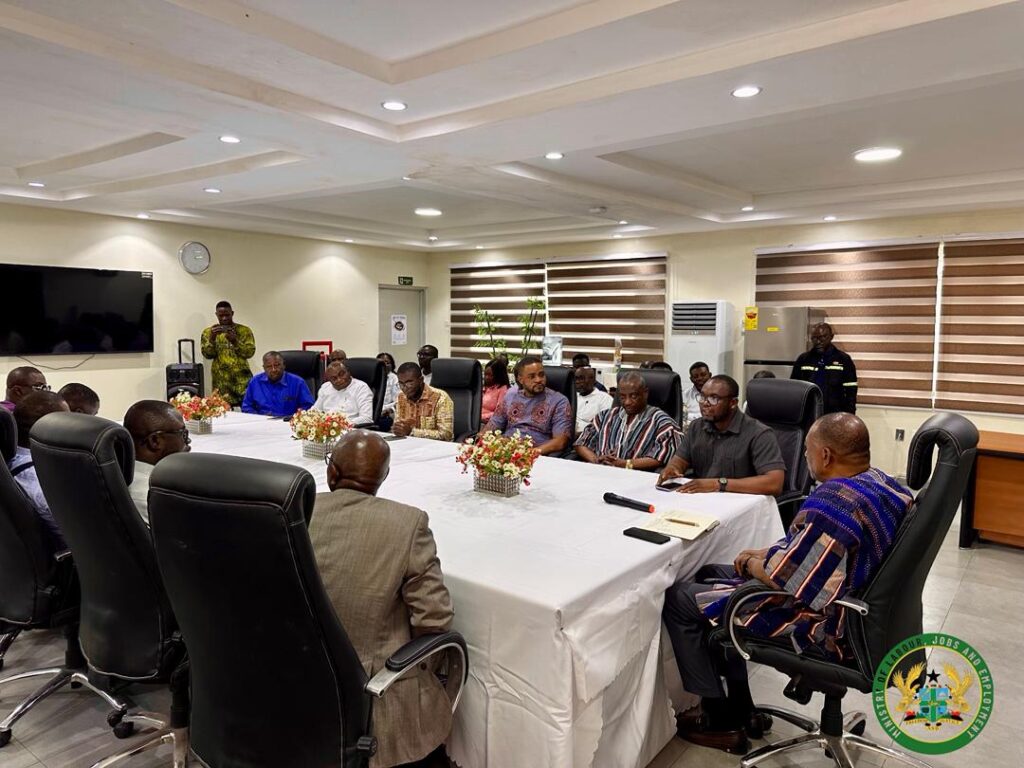
This disclosure was made by the Chief Executive Officer, Dr. Robert Sambian, during a strategic oversight visit by the Minister for Labour, Jobs, and Employment, Hon. Dr. Rashid Pelpuo, on February 26, 2026.
The performance marks a pivotal moment for the state-owned smelter as it transitions from years of reduced capacity toward a more aggressive role in the nation’s industrial recovery and economic sovereignty.
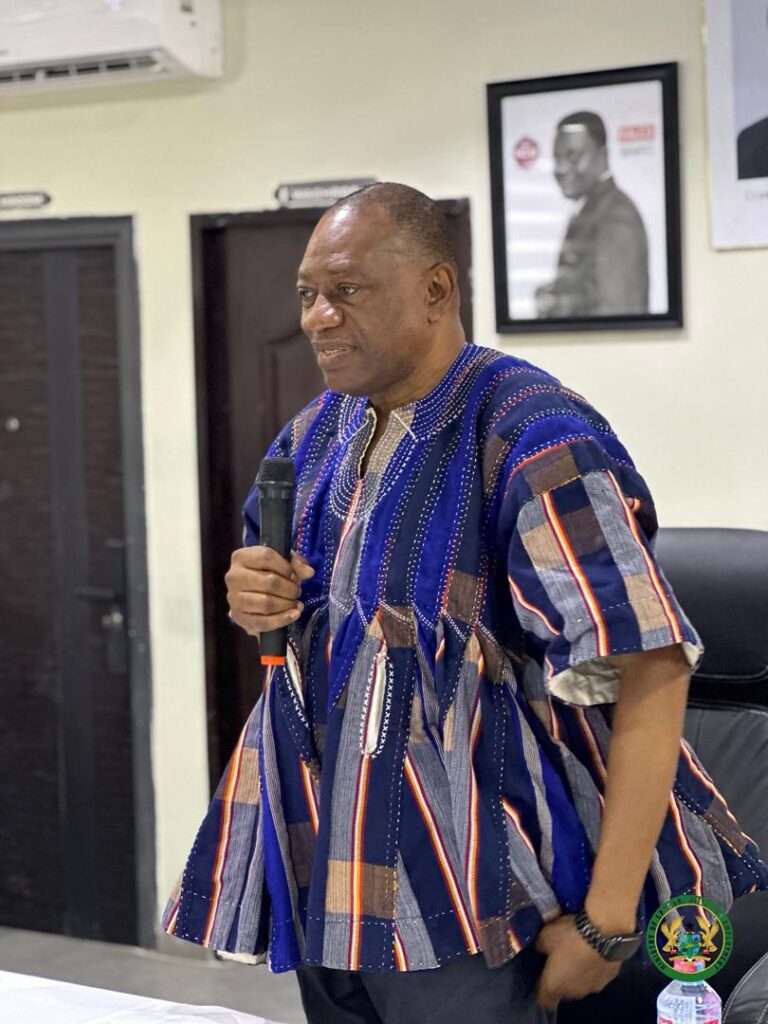
“We care about occupational hazard, the functioning of the factory, and the need to expand. We care about what kind of support you want government to add on to you. At this time, what are we doing with VALCO and how are their workers faring?”
Hon. Dr. Rashid Pelpuo
Expanding on this fiscal success, Dr. Sambian noted that the $120 million milestone reflects the company’s resilience despite operating at a limited capacity of approximately 40,000 metric tonnes per annum a fraction of its historical peak.
Currently supporting a dedicated workforce of 800 employees, the Tema-based facility is being positioned as the “key investment hub” for Ghana’s Integrated Aluminium Industry (IAI) strategy.
Hon. Pelpuo’s visit served as an essential assessment of operational health and safety, part of a broader executive effort to prevent the decline seen in other state enterprises.
The Minister emphasized that government intervention is the deciding factor in whether a firm “grows or shrinks,” citing the administration’s commitment to ensuring VALCO avoids the fate of defunct national assets like the former Ghana Airways, which he noted is now being targeted for revival.
Driving Economic Sovereignty through Smelter Modernization
The current revenue surge serves as a proof of concept for the government’s plan to modernize the plant, which originally had an installed capacity of 200,000 metric tonnes during its expansion phases in the 1970s.
By reinvesting these gains, the Ministry of Labour, Jobs, and Employment aims to scale operations to return to full capacity, which would drastically reduce Ghana’s reliance on imported aluminum products.
This expansion is not merely about output; it is about “state enterprise revival” designed to reclaim the industrial vision established during the company’s founding in 1964 under President Kwame Nkrumah.
Historically, VALCO was the cornerstone of the Akosombo Dam project, designed to utilize domestic power to process local raw materials.
However, after Kaiser Aluminum & Chemical Corporation prompted the government to acquire full ownership in 2004, the facility faced nearly two decades of under-utilization. The 2025 revenue figures suggest a turning point.
Minister Pelpuo linked this success to “good governance,” which he claims moved Ghana from “number 10 to number 8″ among Africa’s richest countries within a single year.
He argued that when a nation is led by a person with “good vision,” the old conception of being “smart” by cheating the nation ends, replaced by a culture of accountability that protects public funds from being “unaccounted for” as seen in previous road and import projects.
Value Addition and the Integrated Aluminum Vision
A comprehensive expansion of VALCO is expected to serve as the anchor for the entire bauxite value chain, ensuring that the “iron and steel factories” and other lost industries are not just memories of the past.
Instead of exporting raw bauxite, the revenue generated can fund the transition to local smelting and downstream manufacturing.
This shift is critical for the “functioning of the factory” in a way that allows it to produce enough to sell and “take care of the working population.”
The Minister pointed out that past failures in textile and car manufacturing were due to a lack of sustained support, a cycle this administration intends to break by identifying the specific “support you would require to operate within the framework of our economic jurisdiction.”
The $120 million revenue surge is more than just a balance sheet victory; it is the capital required to trigger a multiplier effect in the extractive sector.
As VALCO expands, it creates a demand for locally mined and refined alumina, thereby keeping the “82 billion dollars” that previously left the country for imports within the domestic economy.
This internal circulation of wealth is what Pelpuo describes as the “framework of our economic jurisdiction,” where the state acts as a catalyst for growth rather than a bystander to industrial decay.
Job Creation and the 24-Hour Industrial Framework
The move to boost VALCO’s operations is projected to significantly increase the current headcount of 800 workers, providing a buffer against the unemployment trends seen in sectors where “government policies had caused employment to drop from 2,000 to 1,200 workers.”
By stabilizing the smelter’s financial base, the government intends to create a sustainable environment where state enterprises function as “investment hubs.”
This revitalization is framed as a departure from past eras where 750 million cedis went missing from infrastructure budgets. Instead, the focus is now on how the company can “function enough to produce” so it can sustain the livelihoods of thousands of Ghanaians.
Furthermore, the expansion of VALCO aligns with the goal of reviving “textile companies” and “iron and steel factories” that once employed a vast portion of the youth.
By securing the aluminum supply chain, Ghana can support a secondary tier of manufacturing, from construction materials to automotive parts, effectively bringing back the “car company in Ghana” that the Minister lamented had not survived.
This holistic approach to the extractive and manufacturing sectors ensures that VALCO is not an isolated success story but the engine of a broader industrial “revival” that honors the nation’s founding vision while adapting to the competitive demands of the 2026 global market.
READ ALSO: Parliament Energy Committee to Meet Over Oil Prices Impact