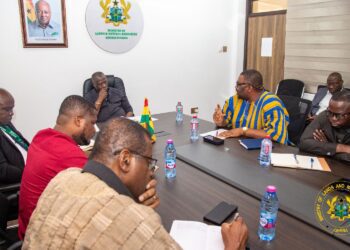

The Energy Committee of Parliament is set to convene an emergency meeting this week to assess the potential impact of rising Middle East tensions on Ghana’s oil prices and fuel supply.
Collins Adomako-Mensah, Deputy Ranking Member of Parliament’s Energy Committee, disclosed that discussions are underway to urgently engage key stakeholders in the energy sector. The move follows escalating developments involving the United States, Israel and Iran, which have unsettled global oil markets.
“My chairman has informed me that we are likely to convene an emergency meeting with the sector’s main players.
“We plan to engage officials from the energy industry, the Environmental Protection Agency, and the Minister of Energy, possibly by Tuesday or Wednesday.”
Collins Adomako-Mensah, Deputy Ranking Member of Parliament’s Energy Committee
Seeking Technical Clarity on Price Risks
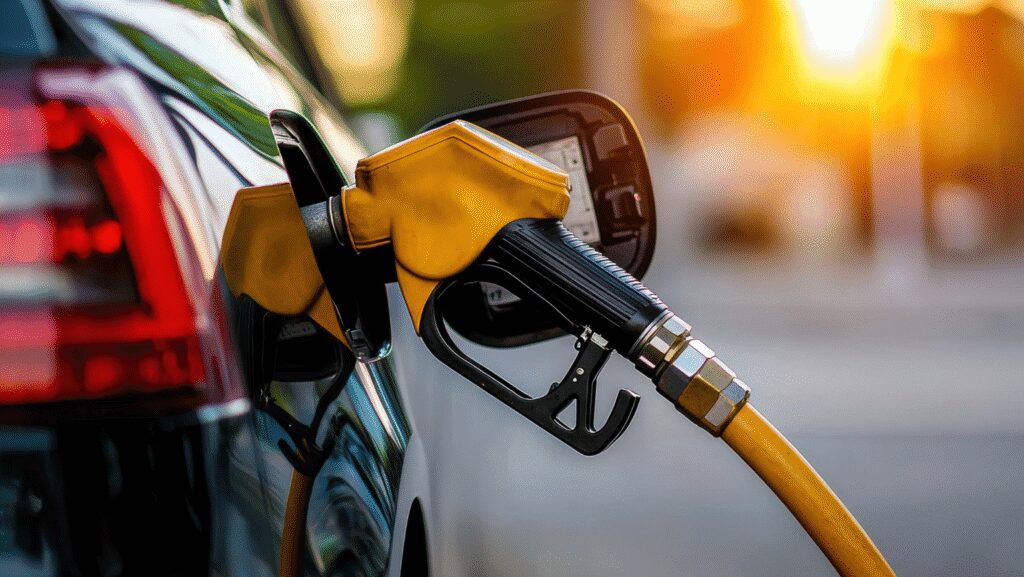
The planned engagement is intended to give lawmakers a clearer technical understanding of how the geopolitical conflict could affect Ghana’s fuel pricing and supply chain.



According to Mr. Adomako-Mensah, the committee wants experts to explain the likely implications of sustained instability in the Middle East, particularly if global crude prices continue to rise.
“They are the specialists and should clarify the implications, although we already have an expectation of potential price hikes.”
Collins Adomako-Mensah, Deputy Ranking Member of Parliament’s Energy Committee
Global oil benchmarks have experienced volatility in recent days amid fears of supply disruptions. For Ghana, which imports a significant portion of its refined petroleum products, such shocks can quickly transmit into domestic pump prices.
Rising global oil prices would not only affect fuel costs but could also trigger broader economic consequences, including higher transportation fares and increased inflationary pressure on goods and services.
Renewed Focus on Tema Oil Refinery
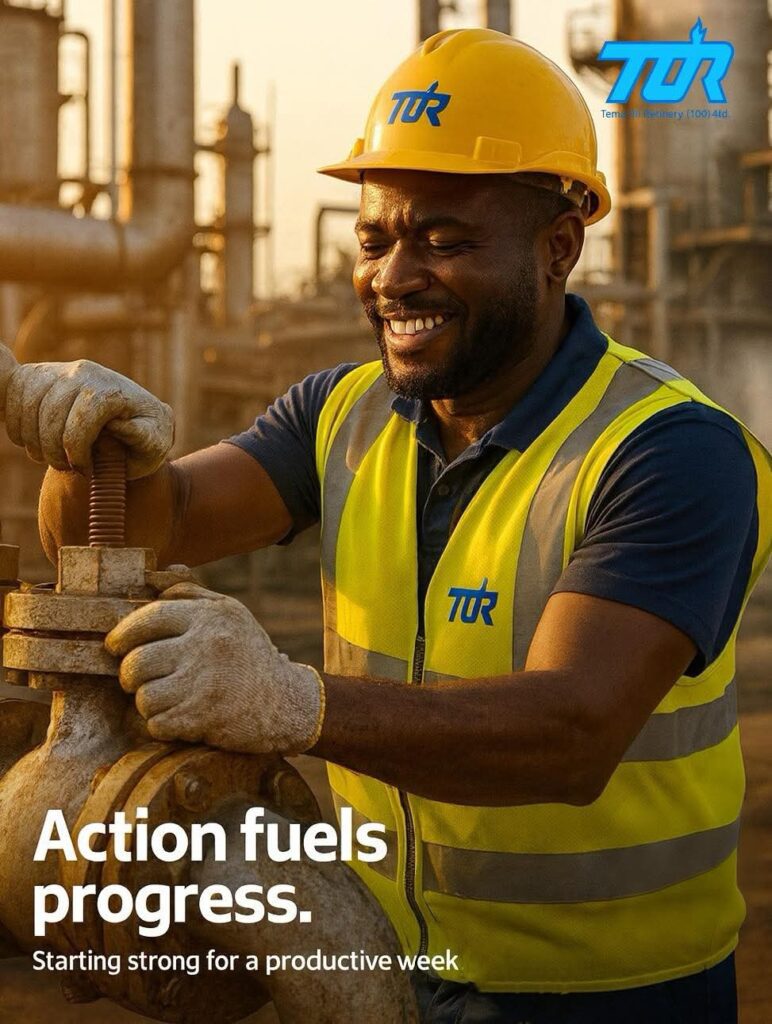
The unfolding situation has also revived discussions around Ghana’s domestic refining capacity, particularly the operations of the Tema Oil Refinery (TOR).
Mr. Adomako-Mensah expressed cautious optimism about the refinery’s current status. “I’m encouraged that TOR is now operational, even if not at full capacity,” he noted.
The MP stressed the need for deeper policy conversations around maximizing local refining during global crises.
Ghana is an oil-producing country, yet it relies heavily on imported refined products. This structural imbalance, he suggested, must be addressed strategically.
Call for Increased Local Refining
Central to the committee’s upcoming discussions will be the possibility of refining more crude domestically to cushion the country against external supply shocks.
“Can we urgently meet with them to see if more crude can be refined locally so that supply is secured?” Mr. Adomako-Mensah asked.
The proposal signals a broader policy conversation about energy security and resilience. By refining more crude locally, Ghana could potentially reduce its exposure to volatile international refined product markets, especially during geopolitical emergencies.
However, achieving this would require coordination between government, regulators, and upstream producers, as well as ensuring that TOR has the technical and financial capacity to operate efficiently.
“These are policy decisions that must be guided by the ministry,” Mr. Adomako-Mensah stressed. “We are likely to meet officials and the Ministry of Energy on Wednesday to gain further clarity.”
Lawmakers are seeking comprehensive briefings on potential economic and energy sector impacts, including how long existing fuel stocks can cushion the country and what contingency measures are in place.
Protecting Consumers from Price Shocks

With Ghana’s heavy reliance on imported petroleum products, sudden spikes in global oil prices could translate quickly into higher pump prices. This would have ripple effects across the economy, affecting households, transport operators and businesses.
Mr. Adomako-Mensah said the committee’s proactive approach is aimed at ensuring policymakers act early rather than reacting after prices surge.
The initiative, he explained, is about anticipating risks and preparing mitigation strategies to shield consumers from the worst consequences of external shocks.
As geopolitical tensions continue to evolve, Parliament’s Energy Committee appears determined to position itself at the forefront of policy response.
The outcome of the planned emergency meeting could shape Ghana’s short-term energy strategy and influence how effectively the country navigates potential turbulence in global oil markets.
READ ALSO: Africa’s People and Culture Are Its Greatest Wealth – President Mahama