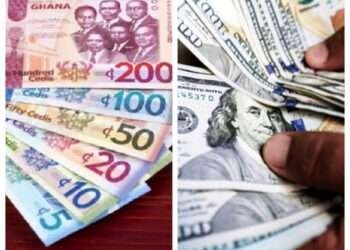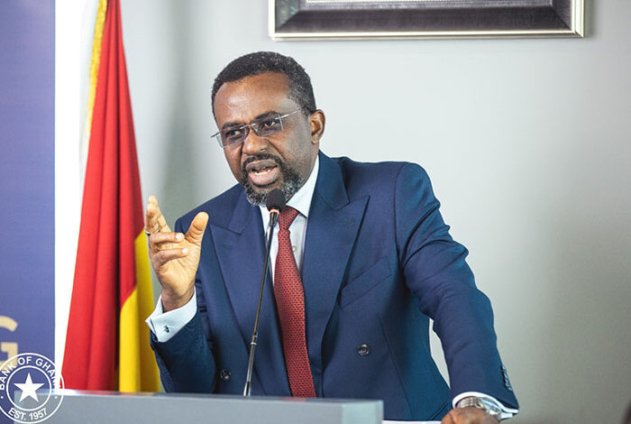
The Governor of the Bank of Ghana (BoG), Dr. Johnson Asiama, has revealed that the Central Bank has implemented key measures aimed at diversifying and strengthening Ghana’s international reserves.
The initiative forms part of a broader strategy to enhance the country’s financial stability and reinforce its capacity to manage external shocks.
Dr. Asiama made the disclosure when he led a technical team from the Bank of Ghana to brief Parliament’s Committee on Economy and Development in Accra.
The engagement formed part of discussions on the Bank’s detailed Monetary Policy Report and the evolving structure of Ghana’s reserve management framework.
According to the Governor, the Bank has intentionally adjusted the composition of Ghana’s international reserves over the past several years, with a strong focus on increasing the share of gold.
Domestic Gold Purchase Programme Drives Growth
A major pillar of the Central Bank’s diversification strategy is the Domestic Gold Purchase Programme, which was launched in 2021.
The programme allows the Bank of Ghana to purchase gold locally and add it to the country’s reserve portfolio.
Dr. Asiama noted that the initiative has significantly transformed the structure of Ghana’s reserves.
“Over the past several years, the Bank of Ghana has deliberately increased the role of gold within Ghana’s international reserves through the Domestic Gold Purchase Programme”.
Dr. Johnson Asiama
Before the introduction of the programme, Ghana’s gold holdings within the reserve portfolio were relatively modest. The Governor disclosed that the Bank held approximately 8.7 tonnes of gold prior to the launch of the initiative.
However, sustained accumulation under the programme has dramatically increased the country’s gold reserves.
“Through sustained accumulation under the programme, gold holdings increased significantly, reaching over 40 tonnes by October 2025”.
Dr. Johnson Asiama
This growth reflects a deliberate policy shift aimed at strengthening the quality and resilience of Ghana’s international reserves.

Gold Now Significant Component of Reserves
The rapid expansion of Ghana’s gold reserves has also reshaped the overall composition of the country’s Gross International Reserves.
Dr. Asiama told the Parliamentary committee that gold has become a major component of the country’s reserve assets.
According to him, gold now represents about 42 percent of Ghana’s Gross International Reserves as of October 2025.
This development underscores the increasing role that precious metals are playing in the Bank of Ghana’s reserve management strategy.
Economists often view gold as a strategic asset because of its ability to retain value during periods of global economic uncertainty. By increasing gold holdings, the bank of Ghana aims to strengthen the stability of the country’s reserve portfolio and reduce vulnerability to fluctuations in global financial markets.
Portfolio Rebalancing Clarified
During the briefing, Dr. Asiama also addressed concerns surrounding recent portfolio adjustments undertaken by the Central Bank. Some observers had questioned whether the conversion of gold into foreign exchange assets could negatively affect the country’s reserve position.
The Governor strongly dismissed such concerns and clarified that the move was part of routine portfolio rebalancing.
He stated emphatically that the transaction did not represent a loss to Ghana’s assets.
“The gold was converted into foreign exchange assets, which remain fully part of Ghana’s international reserves”.
Dr. Johnson Asiama
According to the Governor, the conversion process was carefully structured to maintain the integrity of the country’s reserves while enhancing liquidity and investment flexibility.
Forex Investments Continue to Generate Returns
Dr. Asiama further explained that the foreign exchange obtained from the transaction continues to play an active role within the Bank’s reserve management framework.
Rather than diminishing the country’s reserves, the foreign exchange assets remain invested within the portfolio.
“The foreign exchange gained from the transactions continued to be actively invested as part of the Bank’s reserve portfolio, generating returns while preserving Ghana’s external buffers”.
This approach ensures that the reserves not only serve as a financial safeguard but also generate income that contributes to overall reserve growth.
Reserve diversification is widely regarded as a critical strategy for central banks around the world. By holding a mix of assets such as gold and foreign currency investments, central banks can better manage risks associated with currency volatility, interest rate changes, and global economic uncertainties.
Strengthening Confidence in Ghana’s Reserve Management*The Bank of Ghana’s strategy reflects a broader effort to reinforce investor confidence and strengthen Ghana’s macroeconomic stability.
By increasing the share of gold in the reserve portfolio while maintaining active investments in foreign exchange assets, the Central Bank is seeking to create a balanced and resilient reserve structure.
The briefing to Parliament also highlighted the Bank’s commitment to transparency in its reserve management policies. Through engagements with lawmakers and stakeholders, the Central Bank continues to provide clarity on its policy decisions and long term strategy.
As Ghana navigates a complex global economic environment, the diversification of international reserves remains a key component of the country’s financial resilience.
The measures outlined by Dr. Asiama signal a proactive approach by the Bank of Ghana to safeguard the nation’s external buffers while positioning the economy for long term stability.
READ ALSO: Strong Market Rally Defies Declining Trading Activity