

Global oil prices surged sharply on Thursday as intensifying attacks on oil and transport facilities across the Middle East raised alarm about a potential disruption to global energy supply routes.
International benchmark Brent Crude climbed significantly during trading, reflecting growing concerns among investors and energy analysts about the impact of the escalating conflict. By 1107 GMT, Brent futures had risen by $4.90, representing a 5.33 percent increase, to reach $96.88 per barrel after briefly touching the $100 mark earlier in the day.
Meanwhile, West Texas Intermediate also recorded strong gains. U.S. crude rose by $4.27, or 4.89 percent, to $91.52 per barrel.
The latest surge comes as tensions across the Middle East threaten the stability of critical oil infrastructure and shipping routes that serve global markets.
Strait of Hormuz Concerns Drive Market Volatility
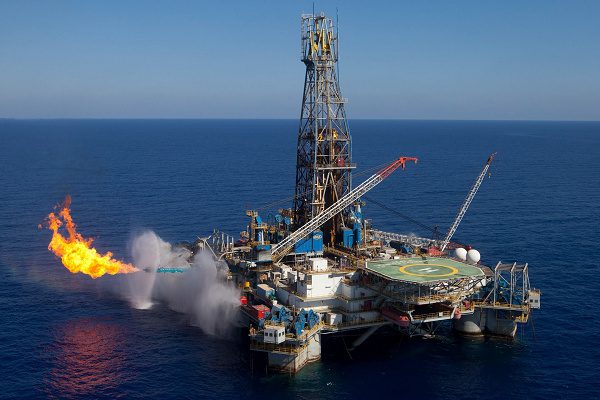
Analysts say the possibility of disruptions to shipments passing through the Strait of Hormuz has become the biggest driver of oil market volatility.
The narrow waterway is one of the world’s most important energy corridors, carrying a substantial portion of globally traded crude oil. Any interruption to traffic through the strait could quickly tighten supply and push prices higher.
Earlier in the week, Brent prices had already surged to $119.50 per barrel, their highest level since mid-2022. The rally briefly cooled after Donald Trump suggested the war involving Iran could end soon. However, renewed attacks and rising geopolitical risks have revived fears of a prolonged conflict.
Market observers say traders are now reacting to the increasing possibility that supply flows through the strait may be disrupted for an extended period.
IEA Warns of Historic Oil Supply Disruption
The International Energy Agency has warned that the current conflict could trigger one of the largest supply disruptions the oil market has ever experienced.
According to the agency’s latest monthly oil market report, Middle East Gulf countries have already reduced production by at least 10 million barrels per day. That figure represents nearly 10 percent of global oil demand.
The agency described the situation as potentially the most severe oil supply shock in modern market history. In response to the unfolding crisis, the IEA approved the release of a record 400 million barrels of crude oil from strategic stockpiles to help stabilise global markets.
Despite this emergency measure, analysts caution that such releases can only provide short-term relief.
Tina Teng, a market strategist at Moomoo ANZ, warned that the situation could worsen if the conflict persists.
“The IEA’s release of oil reserves may be only a temporary solution, as disruptions to oil shipments through the Strait of Hormuz and a major production halt in some Middle Eastern countries could cause a long-term supply crunch.”
Tina Teng, a market strategist at Moomoo ANZ
Attacks on Tankers and Rising Regional Tensions

Heightened security concerns have been triggered by a series of attacks targeting oil infrastructure and shipping vessels in the region.
Explosive-laden Iranian boats reportedly struck two fuel tankers in Iraqi waters, setting them on fire and killing one crew member. The incident followed reports that projectiles had already hit four vessels in Gulf waters.
The escalating hostilities are spreading beyond maritime attacks. Lebanon’s Hezbollah group launched what analysts describe as its largest rocket barrage of the current conflict on Wednesday night, prompting retaliatory air strikes that shook Beirut.
The attacks have raised fears that other regional actors could become involved in the conflict. In particular, there are growing concerns that Yemen’s Houthi forces may join Iran-aligned operations, which could further threaten shipping through the Red Sea.
Amid these risks, Saudi Arabia has increased crude exports from its Red Sea port of Yanbu, a move aimed at bypassing vulnerable Gulf shipping routes.
Market Forecasts Point to Continued Price Uncertainty
Financial institutions and energy analysts remain divided over how long the price rally could last.
Analysts at Goldman Sachs predict that Brent crude prices could average around $98 per barrel during March and April before declining later in the year.
However, the bank warned that a more severe disruption scenario could drive prices even higher.
In a situation where flows through the Strait of Hormuz are interrupted for a month, Goldman Sachs estimates that Brent prices could surge to an average of $110 per barrel during the same period.
Energy analysts at ING Group also stressed the central role of the strait in determining the future direction of oil markets.
“The only way to see oil prices trade lower on a sustained basis is by getting oil flowing through the Strait of Hormuz,” the analysts said. “Failing to do so means that the market highs are still ahead of us.”
Industry sources say the decision reflects growing concern among governments that the Middle East crisis could trigger prolonged volatility in global energy markets.
As tensions continue to escalate, traders and policymakers alike are closely monitoring developments in the region, particularly the security of key shipping routes that underpin the global oil supply chain.
READ ALSO: 3.3% Inflation Strengthens BoG Rate Cut Case