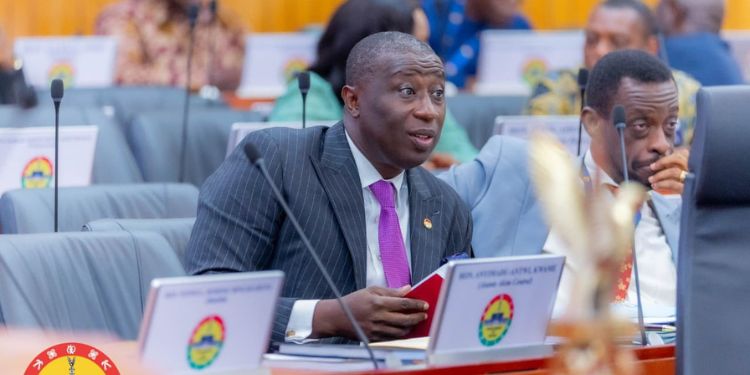
Member of Parliament for Okaikoi Central, Hon. Patrick Yaw Boamah, has called on the government to urgently fulfill its commitment to slash the Growth and Sustainability Levy (GSL) from 3 percent to 1 percent to protect the mining sector’s viability.
The lawmaker warned that the current delay in implementing the promised tax relief is creating a climate of uncertainty that could deter both existing and prospective investors.
He noted that the mining sector remains a cornerstone of the national economy, and any further hesitation in adjusting the fiscal regime risks eroding the competitive edge Ghana has historically held in the sub-region.
“A clear assurance was given to the mining community that the Growth and Sustainability Levy would be reduced to 1 percent, but as we speak, nothing has happened. This raises concerns within the industry and explains why the mining community commissioned the Ernst and Young report. We must put in place the right fiscal framework to support mining companies, protect jobs, and grow the economy.”
Hon. Patrick Yaw Boamah,
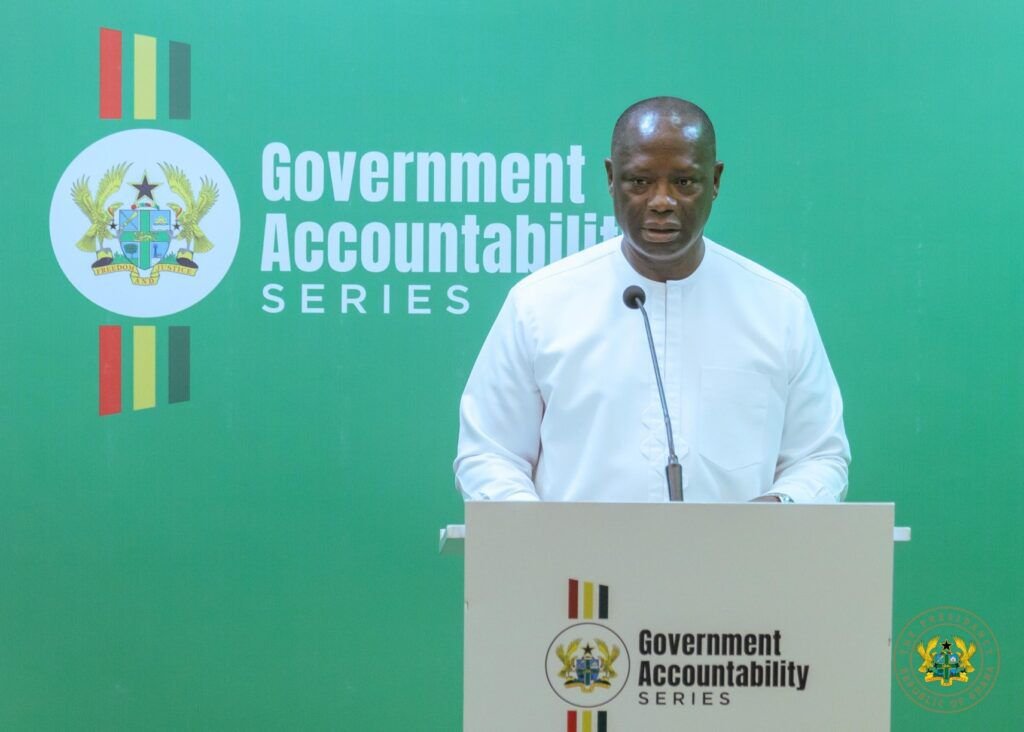
Hon. Boamah revealed that the government had already reached an understanding with industry stakeholders to effect these changes within the 2026 fiscal year.
He pointed out that the current 3 percent levy on gross production, when added to the existing sliding scale royalties and corporate taxes, places an immense burden on mining firms, particularly those dealing with rising operational costs and fluctuating global commodity prices.
According to the MP, the industry’s apprehensions are well-documented in a recent report by Ernst & Young (EY), which cautioned that the prevailing high-tax environment could lead to significant job losses and a sharp decline in capital expenditure across the sector.
Deteriorating Competitiveness and Global Rankings
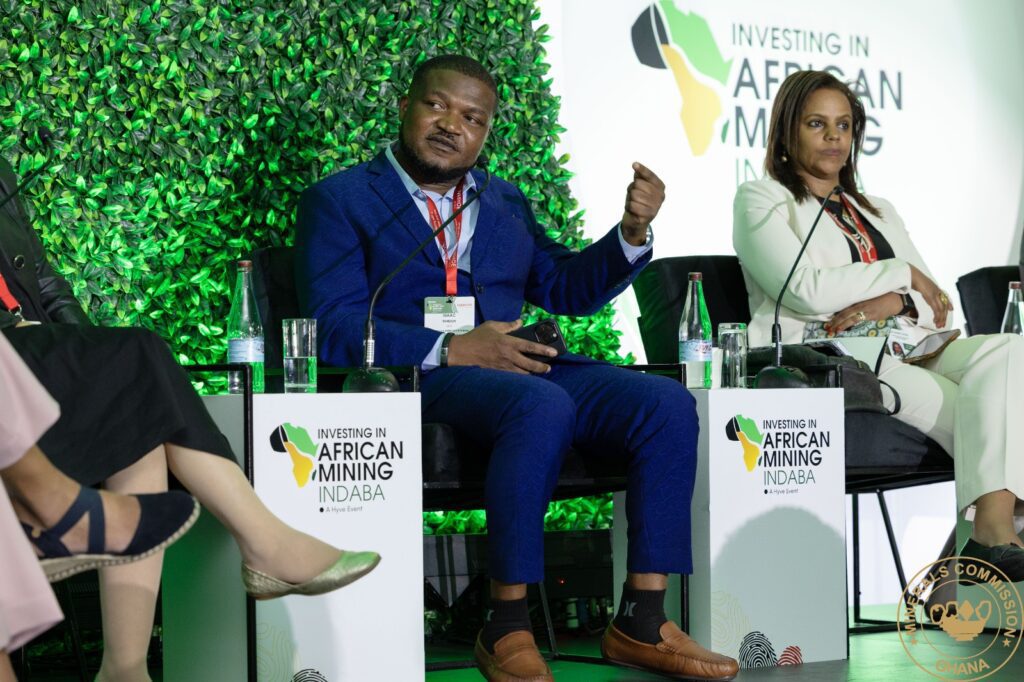
The Okaikoi Central legislator underscored his concerns by citing Ghana’s declining performance in the Fraser Institute’s Annual Survey of Mining Companies.
He noted that the country’s investment attractiveness has taken a hit, with Ghana slipping from 46th place in 2024 to 53rd out of 68 jurisdictions in 2025.
Similarly, the Policy Perception Index saw a drop from 46th to 50th position over the same period. Mr. Boamah argued that these statistics are a clear signal that “we are becoming less attractive to mining investors” while competing nations like Côte d’Ivoire, Mali, and South Africa continue to refine their policies to draw in more capital.
He stressed that without a “deliberate strategy” to remain competitive, the country risks losing its status as a preferred mining destination in Africa.
Fiscal Imbalance and Local Participation Risks
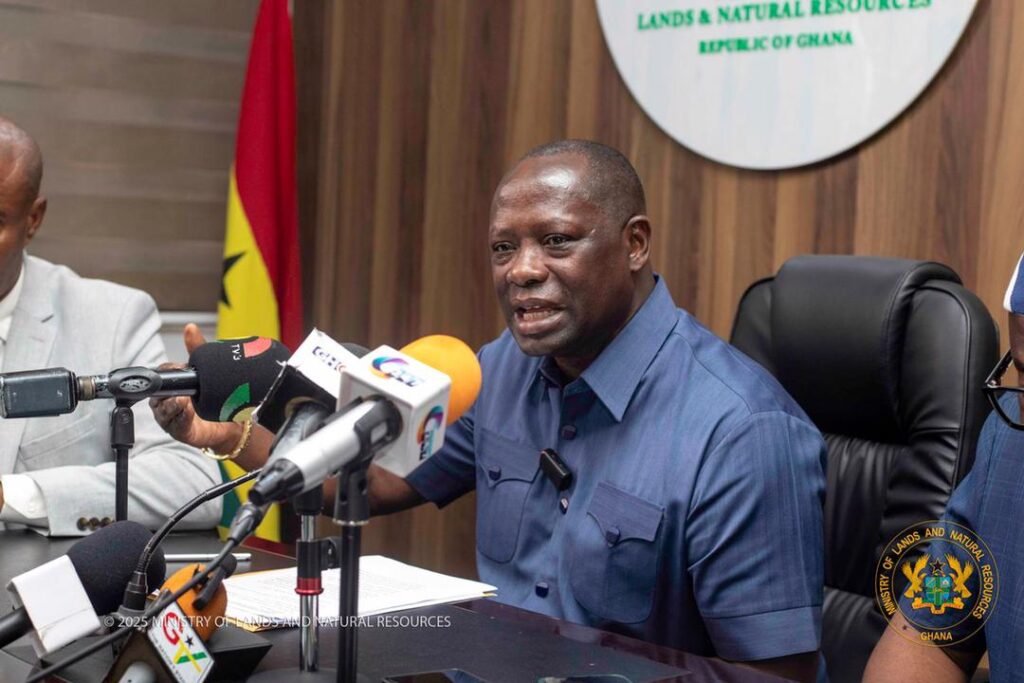
A major point of contention raised by the MP is the lack of mitigating measures to cushion the impact of the sliding scale royalty regime, which increases the state’s take as gold prices rise.
“You cannot, on one hand, increase the royalty regime through a sliding scale and, on the other hand, fail to introduce measures that will mitigate the impact on the companies,” he stated.
This fiscal pressure is particularly worrying for the government’s agenda of increasing local participation.
Mr. Boamah warned that if Ghanaian investors take over major mining assets whose leases expire this year, they may struggle to secure the necessary “capital-intensive” financing if the fiscal framework remains unfavorable.
Strategic Benefits of the Proposed Levy Cut

The member of parliament for Okaikwei argued that reducing the GSL to 1 percent would provide immediate liquidity to mining firms, allowing them to reinvest in exploration and brownfield expansions.
A more favorable tax regime typically triggers a multiplier effect: as companies expand, they create more direct and indirect jobs, increase their procurement from local businesses, and ultimately contribute more to the national treasury through increased production volumes.
For the country, a competitive fiscal regime ensures the “long-term sustainability” of the sector, preventing the premature closure of mines that become marginal under high-tax burdens.
By honoring the 1 percent GSL pledge, the government would not only stabilize investor confidence but also secure the future of the thousands of households dependent on the mining value chain.
READ ALSO: President Mahama: I’ll Make Democracy Deliver Prosperity for Ghanaians