Ghana’s long-standing energy sector crisis has cost the country more than $8 billion over the past nine years, placing significant strain on public finances and limiting government spending on critical areas such as wages and social protection.
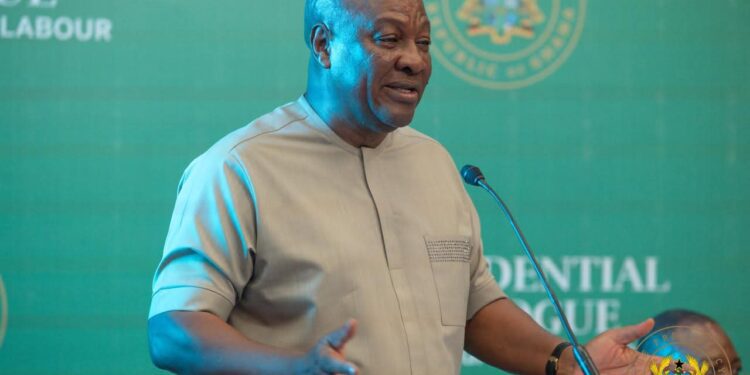
President John Dramani Mahama disclosed the figures during a high-level dialogue with organised labour at the Jubilee House, describing the situation as both unsustainable and economically damaging. He noted that the scale of financial support required to stabilise the sector continues to weigh heavily on the national budget.
“Over the past nine years, Ghana has spent well over 8 billion dollars to address financial shortfalls in the energy sector. In 2025 alone, the government paid approximately 1.57 billion dollars to settle legacy debts.”
President John Dramani Mahama
The President framed the energy sector not just as a technical or operational issue, but as a major fiscal burden with direct consequences for national development. Funds channelled into the sector, he explained, could have been used to improve working conditions, increase public sector wages, and expand social safety nets.
“These losses directly impact the economy’s ability to improve wages, enhance working conditions and expand social protection,” he added.
This diversion of resources has become increasingly critical at a time when Ghana faces competing demands, including debt servicing, infrastructure development, and funding for health and education. The recurring deficits in the power sector are effectively crowding out other essential spending priorities.
Structural Weaknesses at the Core
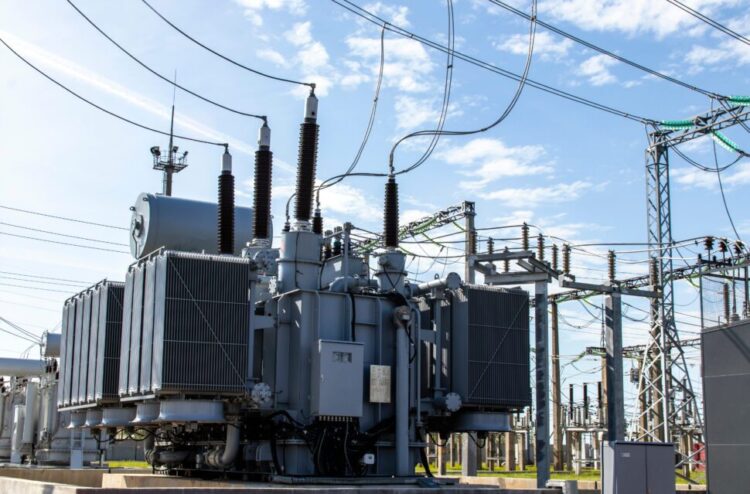
At the heart of the Ghana energy sector crisis are deep-rooted structural inefficiencies that have persisted for years. Challenges across generation, transmission, and distribution continue to undermine the sector’s financial stability.
Key issues include high distribution losses, weak billing and metering systems, tariff under-recovery, and longstanding debts owed to independent power producers. These factors have created a persistent financing gap that successive governments have had to fill with public funds.
While these interventions have helped prevent severe power disruptions, they have come at a steep cost to the national purse. Analysts warn that without structural reforms, the cycle of losses and bailouts is likely to continue.
In response, the government is pursuing a renewed reform agenda aimed at restoring financial discipline and improving operational efficiency within the sector.
President Mahama emphasised that the focus will be on tightening billing systems, reducing leakages in distribution, and improving transparency and accountability across sector institutions. Addressing legacy debts and renegotiating unfavourable contracts are also key components of the strategy.
“Government is strengthening energy sector reforms to restore discipline, eliminate inefficiencies, especially at the last-mile distribution level, and unlock these wasted resources for national development.”
President John Dramani Mahama
The emphasis on last-mile distribution reflects longstanding concerns about inefficiencies at the point where electricity reaches consumers, particularly in metering accuracy and revenue collection.
A Persistent Challenge for Economic Stability
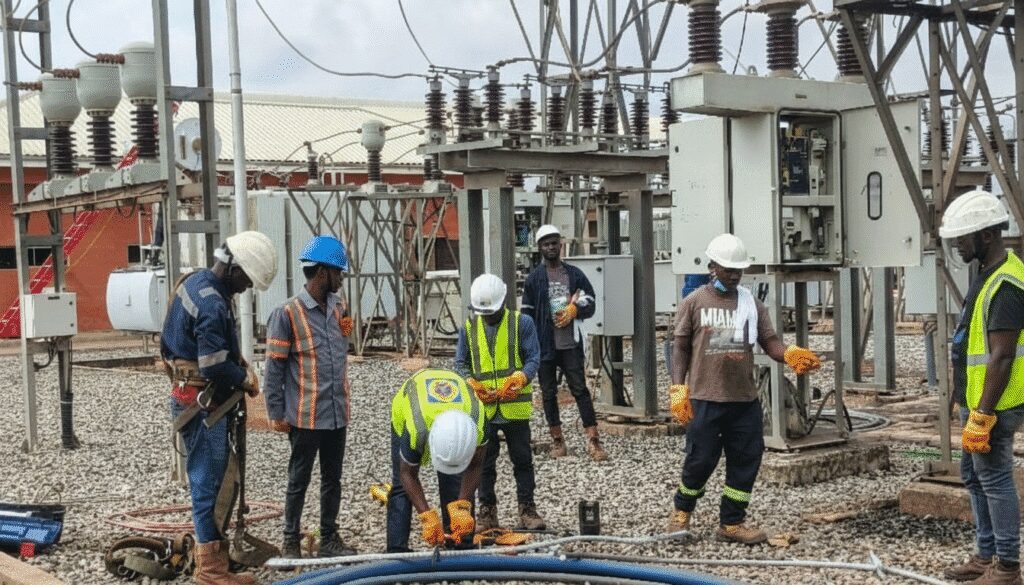
The Ghana energy sector crisis continues to pose a significant risk to broader economic stability. A financially weak power sector not only creates fiscal pressure but also undermines investor confidence and industrial growth.
Reliable and competitively priced electricity remains essential for manufacturing, private sector expansion, and job creation. However, the sector’s ongoing financial struggles threaten its ability to support these objectives without continued government intervention.
The situation presents a difficult balancing act for policymakers, especially given public sensitivity to utility tariffs and the political complexities surrounding pricing reforms.
Despite the scale of the challenge, the President’s remarks signal a clear intention to align energy sector reforms with Ghana’s broader development agenda. The goal is to free up fiscal space by reducing inefficiencies and ensuring the sector becomes more commercially viable.
However, achieving this will require sustained commitment and potentially difficult policy decisions, including stronger cost recovery measures and stricter enforcement against losses and non-payment.
For now, the message from the presidency is clear: Ghana can no longer afford an energy sector that consumes billions in public funds while limiting the country’s ability to invest in its people and future growth.
READ ALSO: Markwayne Mullin To Face Confirmation Hearing For DHS Secretary