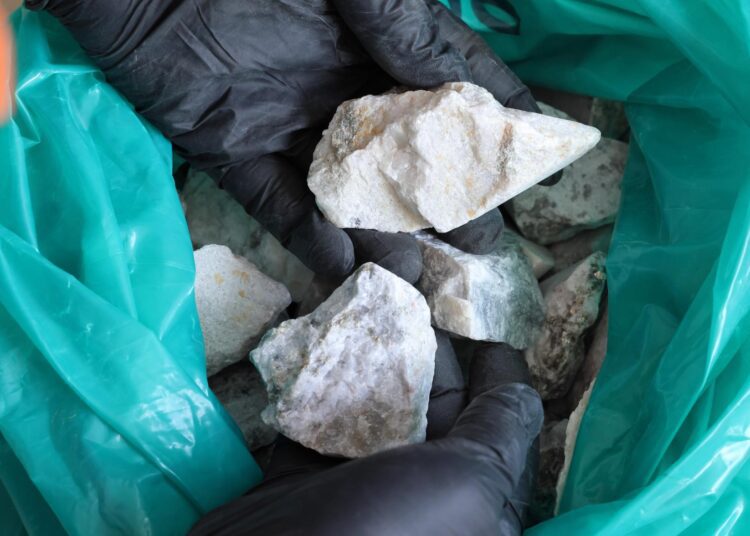
Revised Ewoyaa Lithium Lease Agreement, as presented to Parliament by Hon. Collins Dauda, Chairman of the Parliamentary Select Committee on Lands and Natural Resources, has mandated that Atlantic Lithium sets aside 1% of its annual revenue for a Community Development Fund (CDF).
This landmark provision, detailed in Clause 3 of Subsection 2 of the agreement, is designed to ensure that the socioeconomic benefits of the mining project are directly felt by the communities impacted by its operations.
The fund will be operationalized through a Community Development Agreement (CDA) signed between the company and the host communities, marking a significant shift toward mandatory, revenue-based corporate social responsibility in the Central Region.
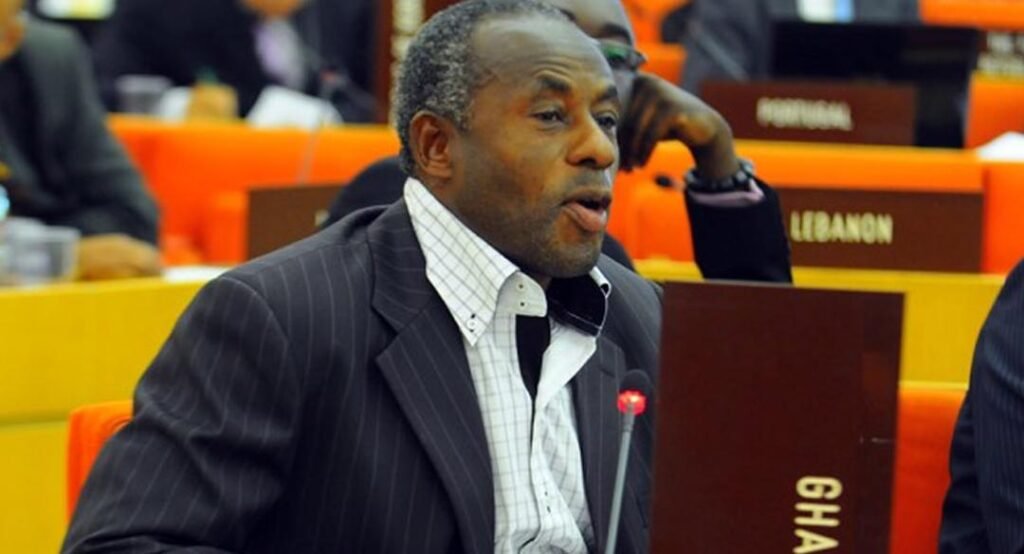
“Clause 3 of Subsection 2 to the Mining Lease Agreement provides that a company shall set aside one percent of annual revenue for community development fund (CDF) pursuant to a community development agreement that shall be signed with the communities impacted by its operations.”
Hon. Collins Dauda
Expanding on this fiscal commitment, the Committee noted that the CDF is projected to exceed $6.0 million annually, providing a consistent and substantial stream of capital for infrastructural projects and local investments.
Preparatory discussions between the mining firm and the local traditional authorities have already commenced to establish a framework that aligns with the needs of the catchment area.
Beyond the 1% revenue carve-out, the project is expected to stimulate the local economy during both the construction and production phases by utilizing locally made goods and services, thereby building technical capacity and boosting the regional GDP.
Strategic Economic Stimulation and Infrastructure
The influx of over $6.0 million per year is earmarked for more than just basic social amenities; it is a catalyst for industrial diversification.
A memorandum from the Paramount Chiefs of Mankessim and surrounding areas indicates that community leaders have “proposed using a substantial portion of this fund to stimulate other industries in the catchment area.”
This forward-thinking approach aims to create a “multiplier effect” where the lithium project serves as an anchor for secondary businesses, ensuring the region remains economically vibrant long after the mine’s lifespan.
Furthermore, the commitment to infrastructure is already visible, with the company undertaking local procurement and small-scale community projects even before full-scale operations begin.
According to the Committee’s findings, there is an “anonymous family behind the project” due to the perceived benefits in terms of “infrastructure development, local capacity building, and technology transfer.”
This early-stage investment signals a long-term partnership aimed at transforming the Central Region into a hub for mining-related services and manufacturing.
Human Capital and Social Welfare
A significant portion of the CDF is dedicated to the social fabric of the host communities, specifically targeting education and health.
The fund will support “scholarships for disadvantaged students,” ensuring that the youth in the Mfantseman and Mankessim areas are not left behind in the transition to a green energy economy.
By funding the development of health and educational facilities, the agreement addresses the core needs of the population, providing a safety net and a ladder for social mobility that is often missing in traditional extractive models.
In addition to these social programs, the agreement places a heavy emphasis on “building capacity” through the integration of local goods and services.
The project’s reliance on the local supply chain is expected to foster a skilled workforce and sophisticated local businesses capable of competing on a national scale.
This focus on human capital ensures that the wealth generated by lithium extraction is reinvested into the people who live above the ore, creating a sustainable cycle of growth and development.
Land Access and Resettlement Framework
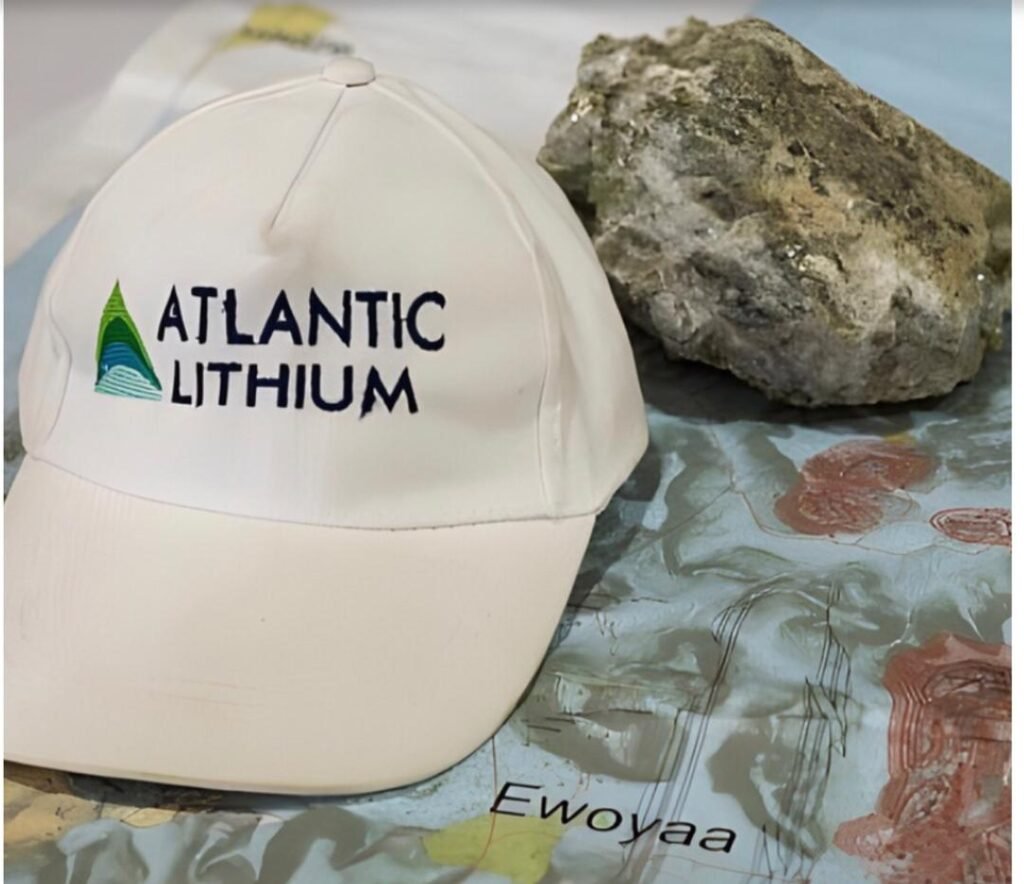
To ensure the transition to mining is as smooth as possible, the Committee detailed robust mechanisms for land access and compensation. In accordance with the Minerals and Mining Act, 2006, the company and the communities have established a “compensation negotiation committee for crop and land” and a dedicated “resettlement negotiation committee.”
These bodies are tasked with ensuring that all project-affected persons (PAPs) are treated fairly and receive adequate compensation or housing solutions that reflect the true value of their assets and livelihoods.
Hon. Collins Dauda emphasized that these committees are essential for maintaining the “social license to operate” and preventing the disputes that have historically plagued mining sectors.
By involving community leaders and affected persons directly in the negotiation process, the Ewoyaa project sets a new standard for transparency.
This structured approach to resettlement and compensation, combined with the 1% CDF, represents a comprehensive model for responsible mining that seeks to balance national economic goals with the fundamental rights and prosperity of the host communities.