
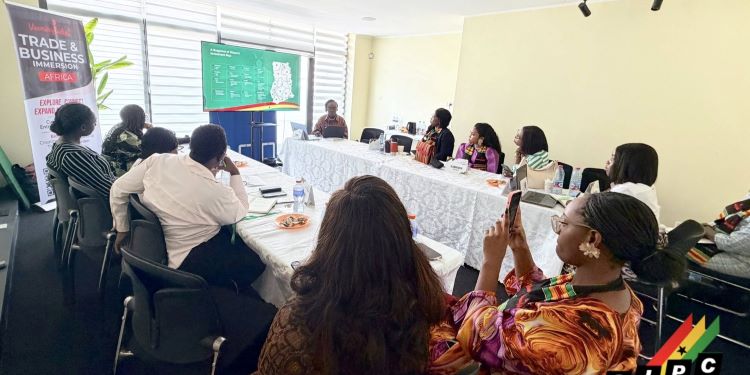
Ms. Afua Tekyi-Mills, the Head of Marketing and Communications at the Ghana Investment Promotion Centre (GIPC), has provided a comprehensive roadmap for female-led industrial expansion at the recent Gateway Ghana Trade & Business Immersion.
Speaking at the event organized by Blooming Ladies as part of International Women’s Day activities, Ms. Tekyi-Mills addressed a diverse assembly of business leaders spanning the fashion, tourism, and manufacturing sectors.
The session served as a strategic briefing on the evolving regulatory landscape of Ghana, specifically focusing on the transition toward the Ghana Investment Promotion Authority (GIPA) Bill and the integration of women-led enterprises into the national 24-Hour Economy framework.
“The session brought together female entrepreneurs and business leaders across sectors including fashion, tourism, and manufacturing to explore opportunities for collaboration and investment in Ghana. Ms. Tekyi-Mills provided an overview of the Centre’s mandate, highlighting GIPC’s role in investment promotion, facilitation, and investor aftercare services”
Ghana Investment Promotion Centre
The GIPC’s immersion in this program was underscored by its national investment promotion mandate – moving from broad-based attraction to targeted, sector-specific facilitation. For Ms. Tekyi-Mills, the “Gateway Ghana,” initiative is a critical platform to ensure that the female demographic, which drives a significant portion of Ghana’s MSME sector, is fully aligned with the government’s high-level industrial agendas.
Providing an overview of the Centre’s mandate, she reinforced that the GIPC is not merely a registry for foreign capital, but a dedicated partner in investor aftercare, ensuring that businesses can navigate the complexities of scaling within the West African sub-region.
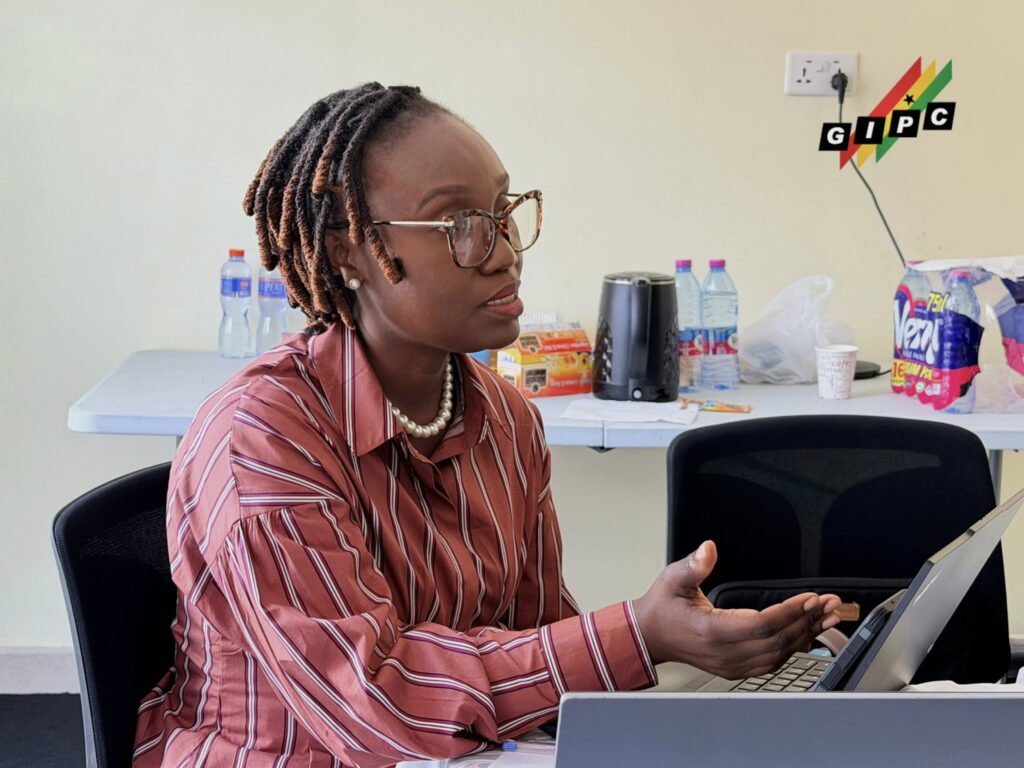
A primary focus of the briefing was the Ghana Investment Promotion Authority (GIPA) Bill. This proposed legislation represents a fundamental restructuring of the GIPC, aimed at transforming the Centre into a more autonomous and empowered “Authority.”
Ms. Tekyi-Mills shared updates on the Bill, noting that its primary objective is to “further strengthen the investment climate” by removing bureaucratic bottlenecks that have historically slowed down the business registration and certification processes. For the fashion and manufacturing entrepreneurs in the room, the GIPA Bill promised a more streamlined experience, allowing them to move from ideation to industrial production with greater speed and transparency.
The transition to an Authority status is expected to give the GIPC more “drive” in enforcing investor protections and coordinating across various government agencies. This is particularly relevant for the “The Big Push Agenda,” where rapid infrastructure development and industrial scaling are paramount.
Upgrading the legislative framework indicates Ghana’s readiness to handle a higher volume of sophisticated investment. Ms. Tekyi-Mills emphasized that the GIPA Bill is the body that will support the next decade of Ghanaian industrial growth.
A New Frontier
Beyond the legislative updates, the session introduced participants to the practical opportunities within the 24-Hour Economy initiative. Ms. Tekyi-Mills outlined how a round-the-clock economic model could revolutionize sectors like manufacturing and tourism – areas where female entrepreneurs already hold significant market share.
In the fashion industry, for instance, a 24-hour production cycle would allow local designers to fulfill large-scale international export orders that were previously unattainable due to capacity constraints.
The “Black Star Experience” was also highlighted as a key vehicle for tourism and cultural investment. Through an extension of the operational hours of the hospitality and creative sectors, the government aims to maximize the economic returns on Ghana’s cultural heritage.
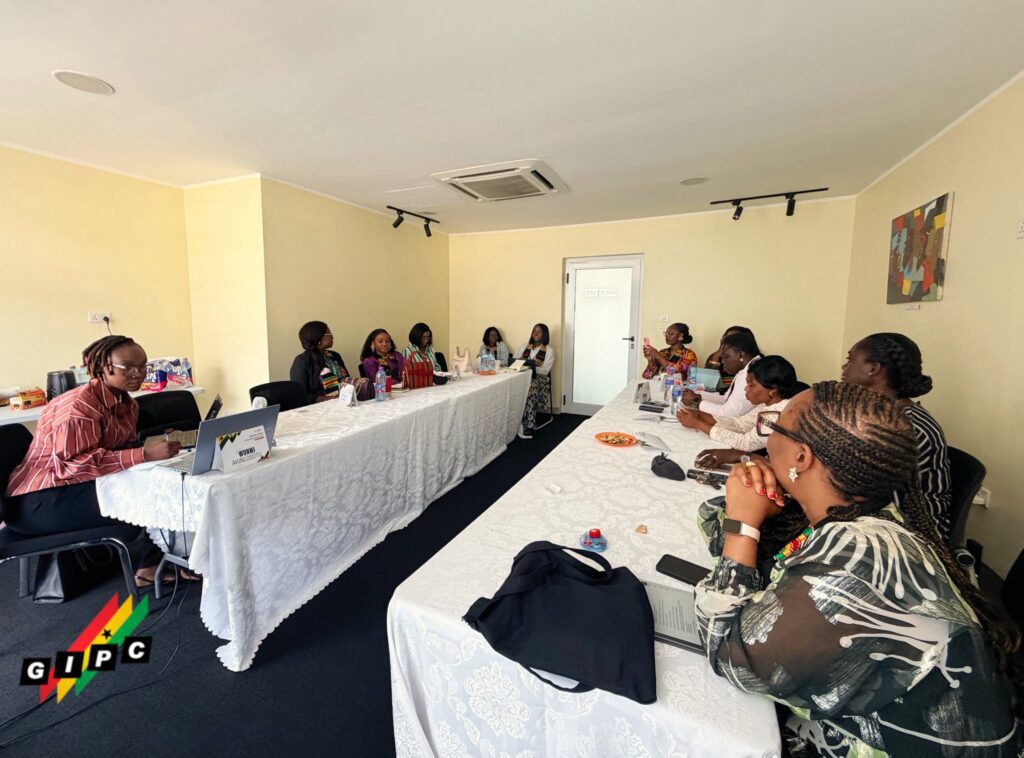
Ms. Tekyi-Mills urged the “Blooming Ladies,” delegation to view these initiatives not as abstract policies, but as market entries. The 24-Hour Economy provides the logistical and security framework for businesses to expand their shifts, increase their revenue, and create more sustainable employment for the youth.
A significant portion of the discourse was also dedicated to the investor aftercare services provided by the GIPC, with Ms. Tekyi-Mills noting that while attracting new investment is vital, the real work begins after the business is registered.
The GIPC’s explained that it’s aftercare unit acts as a “troubleshooter” for established businesses, helping them resolve grievances related to taxes, land acquisition, and utility access. For the female entrepreneurs present, this service represents a vital safety net that allows them to focus on their core business operations while the GIPC handles the regulatory friction.
The session encouraged participants to look beyond the domestic market and explore cross-border partnerships within the wider West African region. With the African Continental Free Trade Area (AfCFTA) now in full swing, the GIPC is positioning Ghanaian women-led businesses to become the primary suppliers of finished goods – such as textiles and processed foods – to the rest of the continent.
Ms. Tekyi-Mills highlighted that the GIPC’s facilitation mandate includes helping these businesses identify reliable partners in neighboring markets.
The gathering concluded with an engaging Q&A segment that allowed business leaders to probe deeper into the West African investment landscape. The questions ranged from the specifics of the GIPA Bill’s tax incentives to the security protocols associated with the 24-Hour Economy.
Ms. Tekyi-Mills’ responses strengthened confidence, providing data-driven insights that demystified the process of entering the formal investment sector.
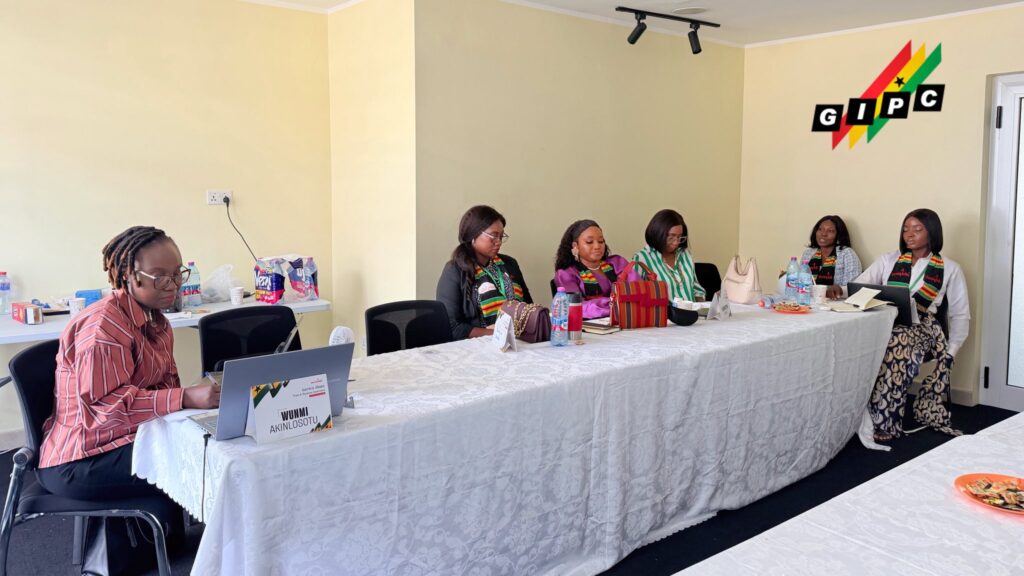
Many participants expressed that the primary barrier to their expansion was not a lack of vision, but a lack of regulatory clarity. By providing an overview of the Centre’s mandate and clear updates on the Big Push Agenda, the GIPC effectively bridged the information gap.
The session served as a reminder that the GIPC is the “first port of call” for any entrepreneur looking to move from the informal sector into a structured, investment-ready entity.
READ ALSO: Ghana Stock Exchange Hit by Trading Drought as Volume Crashes 95%